Brushing mistakes are incorrect habits during daily toothbrushing that compromise plaque removal, damage enamel, or irritate gums. Research shows that up to 80% of adults make at least one of these errors, increasing their risk of caries and periodontal disease. Correcting these mistakes can reduce plaque by over 40% and significantly lower the need for restorative dental work.
Most people assume they know how to brush their teeth—after all, it’s a skill learned in early childhood. Yet clinical studies consistently reveal a gap between perceived and actual brushing effectiveness. A 2025 systematic review in the Journal of Clinical Periodontology found that only 22% of participants demonstrated adequate plaque removal when observed, despite 89% believing their technique was sufficient. This disconnect explains why nearly half of American adults over 30 have some form of periodontal disease, according to the CDC. The following analysis identifies the ten most prevalent brushing mistakes, explains the biological damage each causes, and provides evidence-based corrections that can be implemented immediately.
Why Proper Brushing Technique Matters for Long-Term Oral Health
Effective toothbrushing is the primary mechanical method for disrupting dental plaque—a biofilm that begins reforming within hours after removal. When plaque is not adequately disturbed, its bacterial composition shifts toward pathogenic species, including Streptococcus mutans and Porphyromonas gingivalis. These microorganisms metabolize dietary sugars into acids that demineralize enamel and release toxins that trigger gingival inflammation.
The consequences of persistent brushing mistakes extend beyond the mouth. A 2024 cohort study published in Circulation demonstrated that individuals with poor oral hygiene had a 28% higher incidence of cardiovascular events, even after adjusting for confounders. Similarly, the American Diabetes Association has highlighted bidirectional links between periodontal disease and glycemic control. Thus, correcting brushing errors is not merely a cosmetic concern—it is a systemic health priority.
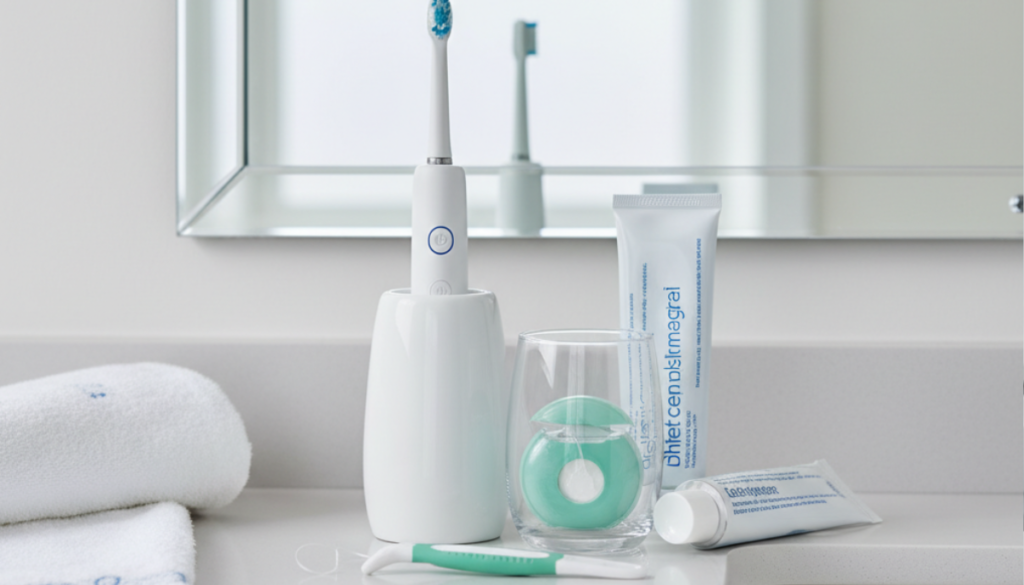
The 10 Most Common Brushing Mistakes and Their Consequences
1. Brushing With Excessive Force
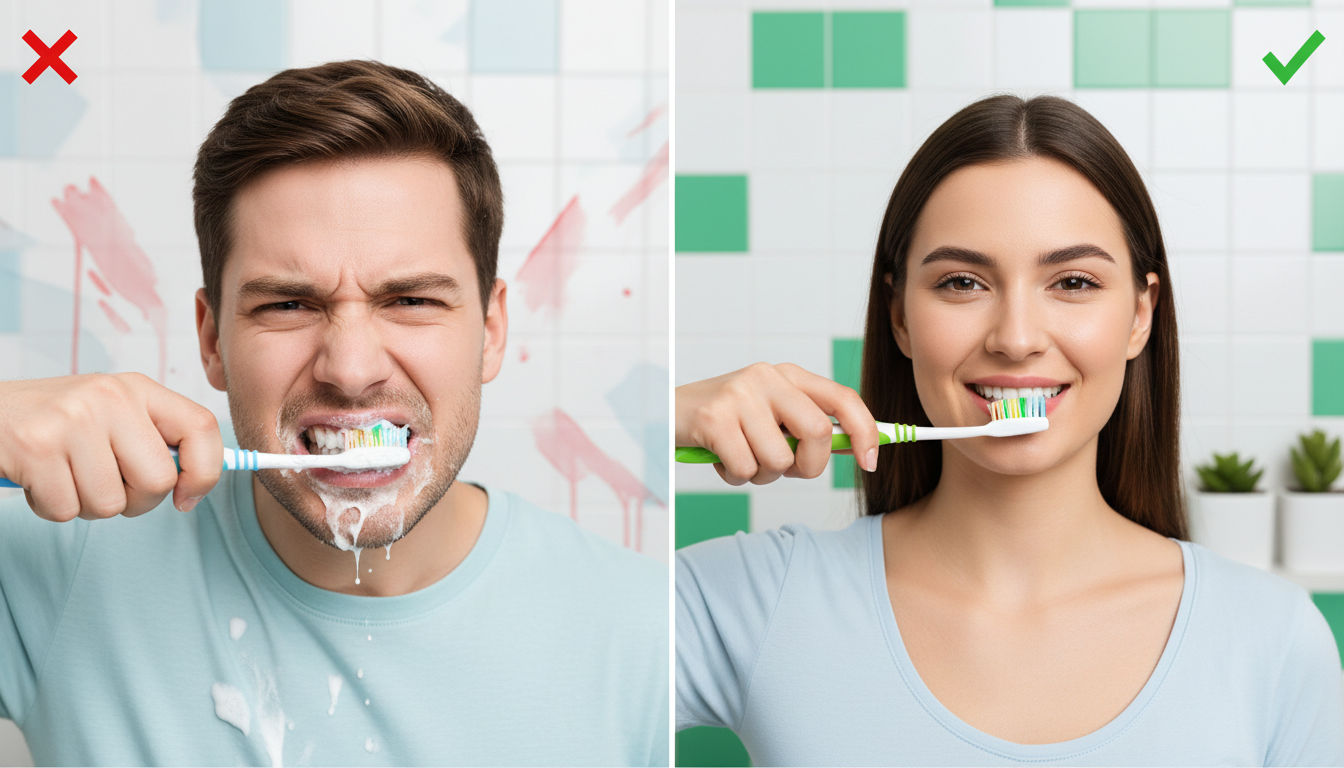
Applying more than 150 grams of pressure—roughly the weight of an orange—transforms a toothbrush into an abrasive tool. This mistake is particularly common among individuals who equate scrubbing intensity with cleanliness.
Damage caused: Over time, aggressive brushing wears away enamel, especially at the cervical region of teeth, leading to wedge-shaped defects known as abfractions. It also traumatizes gingival tissue, causing recession that exposes sensitive root surfaces. A 2025 study in Operative Dentistry found that subjects who brushed with high force exhibited 2.3 times more non-carious cervical lesions than those using light pressure.
Correction: Hold the brush with a pen-like grip, using only the force needed to keep bristles in contact with tooth surfaces. Electric toothbrushes with pressure sensors provide real-time feedback and are particularly effective for breaking this habit.
2. Neglecting the Tongue
The dorsal surface of the tongue harbors a dense microbial population, including volatile sulfur compound-producing bacteria responsible for halitosis. Brushing the teeth while ignoring the tongue allows these bacteria to recolonize clean tooth surfaces within hours.
Damage caused: Persistent oral malodor, increased plaque accumulation, and a reservoir for periodontal pathogens. Research in the Journal of Periodontology indicates that tongue cleaning reduces oral malodor by 70% and lowers total bacterial counts by up to 75%.
Correction: After brushing teeth, gently clean the tongue from posterior to anterior using the toothbrush bristles or a dedicated tongue scraper. This should be performed once daily, preferably in the morning.
3. Skipping Nighttime Brushing
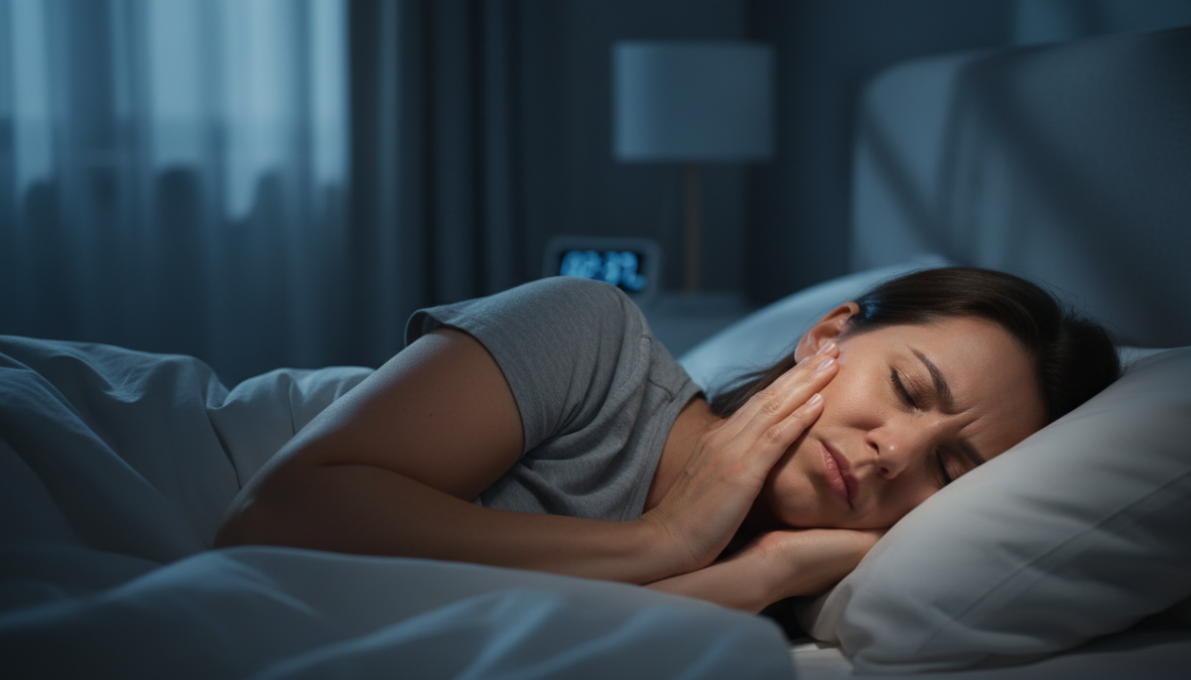
Salivary flow decreases by up to 90% during sleep, eliminating the mouth’s natural cleansing and buffering mechanisms. When brushing is omitted before bed, food debris and plaque bacteria remain undisturbed for 6–8 hours in a low-pH environment.
Damage caused: Nocturnal bacterial metabolism produces sustained acid attacks on enamel, dramatically accelerating caries formation. A 2024 analysis in Caries Research reported that individuals who skipped nighttime brushing had a 33% higher incidence of new carious lesions over two years compared to consistent nighttime brushers.
Correction: Make evening brushing non-negotiable. Pair it with another established habit, such as washing your face or setting an alarm, to reinforce consistency.
4. Incorrect Flossing Technique
While flossing is not brushing per se, improper flossing undermines the entire oral hygiene regimen. Common errors include snapping floss into the gingiva, using a sawing motion, and failing to adapt the floss to the curvature of each tooth.
Damage caused: Ineffective interproximal cleaning leaves 40% of tooth surfaces untouched, as brushing alone cannot access these areas. Traumatized papillae from aggressive flossing can lead to gingival clefts and recession.
Correction: Use approximately 18 inches of floss, wrap it around the middle fingers, and guide it gently between teeth with a rubbing motion. Curve the floss into a C-shape against each proximal surface and slide it slightly below the gumline. A new segment of floss should be used for each interdental space.
5. Insufficient Brushing Duration
The average brushing time among adults is just 45 seconds—far below the two-minute minimum recommended by the American Dental Association (ADA). This abbreviated duration does not allow adequate contact time for mechanical plaque disruption across all tooth surfaces.
Damage caused: A 2025 clinical trial in the Journal of Dental Hygiene demonstrated that brushing for 45 seconds removed only 58% of plaque, compared to 82% removal with a full two-minute session. The discrepancy was most pronounced on lingual surfaces and posterior molars.
Correction: Use a timer or an electric toothbrush with a built-in quadrant timer. Mentally divide the mouth into four sections and spend 30 seconds on each.
6. Using an Inappropriate Toothbrush or Delaying Replacement
Hard-bristled brushes are still used by approximately 35% of consumers, despite ADA recommendations for soft bristles. Additionally, many individuals continue using toothbrushes long after the bristles have frayed, which typically occurs after three months of regular use.
Damage caused: Hard bristles abrade enamel and traumatize gingiva. Worn bristles lose their flexibility and plaque-removal efficiency, reducing cleaning effectiveness by up to 30%. Frayed brushes also harbor higher bacterial loads.
Correction: Select a soft-bristled toothbrush bearing the ADA Seal of Acceptance. Replace it every three months, or sooner if bristles show visible wear. Electric brush heads should be changed on the same schedule.
7. Brushing Immediately After Acidic Exposure
Consuming acidic foods or beverages—citrus fruits, soda, wine, coffee—temporarily softens enamel through demineralization. Brushing during this vulnerable window abrades the softened surface, accelerating erosive tooth wear.
Damage caused: A 2024 in situ study published in Caries Research found that brushing within 20 minutes of an acidic challenge resulted in enamel loss 2.5 times greater than brushing after a 60-minute delay. Over years, this cumulative effect leads to significant thinning of enamel and increased dentin hypersensitivity.
Correction: After acidic intake, rinse with water and wait at least 30–60 minutes before brushing. Chewing sugar-free gum can stimulate saliva flow and speed pH neutralization.
8. Using a Horizontal Scrubbing Motion
The most common brushing technique observed in the general population is a back-and-forth horizontal scrubbing motion. This method fails to clean the gingival sulcus effectively and can cause cervical abrasion.
Damage caused: Horizontal scrubbing leaves plaque undisturbed along the gumline, where it is most pathogenic. It also creates mechanical wear at the cementoenamel junction, contributing to sensitivity and structural damage.
Correction: Adopt the Modified Bass Technique: position the brush at a 45-degree angle to the gumline, use short vibratory strokes or small circular motions, and then sweep away from the gingiva. This method is endorsed by the ADA and supported by extensive clinical evidence.
9. Overlooking the Gumline and Posterior Teeth
Plaque accumulates preferentially in areas that are difficult to access: the gingival margin and the distal surfaces of molars. Many brushers focus on anterior teeth and occlusal surfaces, neglecting these critical zones.
Damage caused: The majority of caries and periodontal pockets originate in these neglected areas. A 2025 observational study in the International Journal of Dental Hygiene found that 60% of residual plaque after brushing was located along the gumline and on posterior teeth.
Correction: Systematically brush each tooth, paying deliberate attention to the gumline and the far-reach molars. Use a compact brush head or an electric brush with an angled neck to improve access.
10. Rinsing With Water After Brushing
Rinsing the mouth with water immediately after brushing washes away the fluoride from toothpaste before it can adequately interact with enamel. This habit significantly reduces the remineralization benefit of fluoride.
Damage caused: A 2024 meta-analysis in the Journal of Dentistry reported that post-brushing rinsing reduced fluoride retention by 25% and was associated with a 15% higher caries increment over three years compared to spitting without rinsing.
Correction: After brushing, expectorate excess toothpaste but do not rinse. Leave a thin film of fluoride on the teeth to continue protecting enamel. If the taste is bothersome, use a smaller amount of toothpaste—a pea-sized quantity is sufficient.
How to Correct These Mistakes: A Systematic Approach
Addressing multiple brushing mistakes simultaneously requires a structured plan. The following table compares incorrect and correct practices across key parameters to serve as a quick reference.
| Parameter | Common Mistake | Correct Practice |
|---|---|---|
| Pressure | Heavy scrubbing (>150 g) | Light, pen-like grip |
| Duration | 30–45 seconds | Full 2 minutes |
| Technique | Horizontal scrubbing | Modified Bass (45° angle, small circles) |
| Tongue | Not cleaned | Brushed or scraped daily |
| Timing after acids | Brushing immediately | Wait 30–60 minutes |
| Rinsing after brushing | Rinsing with water | Spit, don’t rinse |
| Toothbrush replacement | >6 months or when visibly destroyed | Every 3 months |
| Flossing | Snapping, sawing, skipping | Gentle C-shape, each interdental space |
| Focus areas | Front teeth only | All surfaces, especially gumline and molars |
| Nighttime routine | Often skipped | Non-negotiable, every night |
Implementing these corrections does not require more time—just more intentionality. Most individuals can transition to proper technique within two weeks of conscious practice.
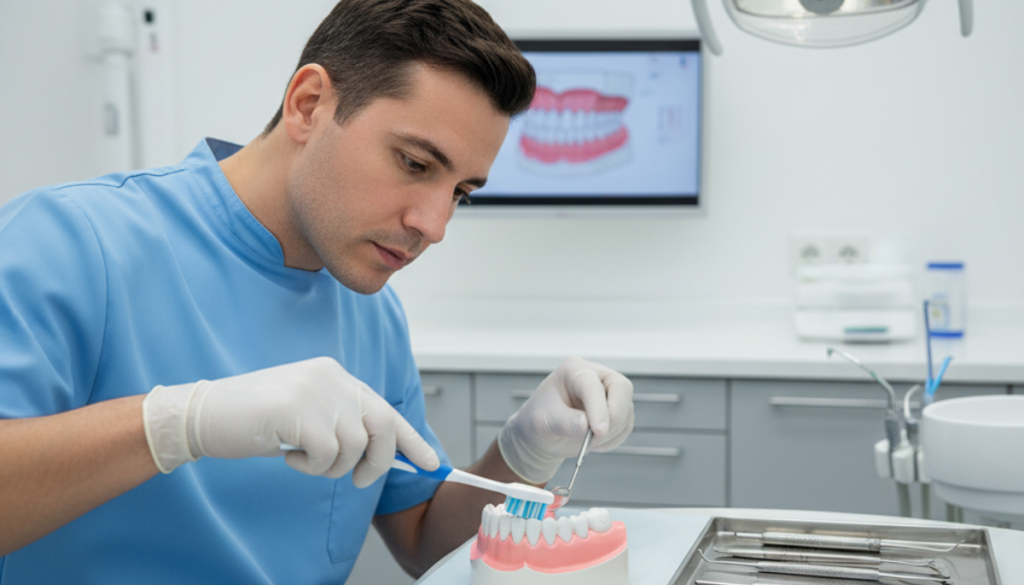
When to Seek Professional Dental Evaluation
Even with flawless home care, professional oversight remains essential. Schedule a dental appointment if you notice any of the following:
- Gingival bleeding that persists for more than a week after correcting brushing pressure
- Spontaneous gum recession or newly exposed root surfaces
- Increased sensitivity to thermal stimuli that does not resolve with desensitizing toothpaste
- Persistent halitosis despite tongue cleaning and proper brushing
- Visible white spots, brown discoloration, or cavitations on any tooth surface
- It has been more than six months since your last prophylaxis
A dental professional can identify early lesions, provide personalized technique coaching, and remove calculus deposits that cannot be addressed by brushing alone.
The ten brushing mistakes detailed above are prevalent, yet each is entirely correctable with awareness and deliberate practice. By adopting light pressure, adequate duration, the Modified Bass Technique, and the other evidence-based corrections, individuals can dramatically reduce their risk of caries, periodontal disease, and associated systemic conditions. The cumulative effect of proper daily brushing is a healthier dentition, fewer restorative procedures, and a confident smile that reflects genuine oral wellness.
Important Disclaimer
The information in this article is for educational and informational purposes only and does not replace evaluation or guidance from a qualified healthcare professional. Always consult a dentist or physician before making decisions about your oral health or treatment.
FAQ: Common Brushing Mistakes
What is the single most damaging brushing mistake?
Brushing with excessive force is arguably the most harmful because it causes irreversible damage—enamel abrasion and gum recession—while providing no cleaning benefit. Once gum tissue recedes, it does not grow back.
How do I know if I’m brushing too hard?
If your toothbrush bristles become splayed or flattened within a few weeks of use, you are likely applying too much pressure. Additionally, if your gums feel sore after brushing or you notice notches forming near the gumline, reduce your brushing force immediately.
Is an electric toothbrush better for avoiding brushing mistakes?
Electric toothbrushes with pressure sensors and built-in timers can help correct several mistakes simultaneously, including excessive force, insufficient duration, and poor technique. Clinical studies show they remove more plaque than manual brushes, but proper use is still required.
Can I reverse damage caused by brushing mistakes?
Early-stage damage such as gingivitis is reversible with improved technique. However, enamel loss and gum recession are permanent. This is why prevention through correct brushing is critical—once enamel is gone, it cannot regenerate.
Should I brush before or after breakfast?
Brushing before breakfast is preferable because it provides a fluoride protective layer before acid exposure. If you brush after eating, wait at least 30–60 minutes, especially if your breakfast includes acidic items like fruit juice or coffee.
How often should I replace my toothbrush?
Replace your toothbrush or electric brush head every three months, or sooner if the bristles show visible wear. After an illness, replace it immediately to prevent reinfection.
Does mouthwash replace proper brushing?
No. Mouthwash can reduce bacterial load and freshen breath, but it cannot mechanically disrupt plaque biofilm the way brushing and flossing do. It is an adjunct, not a substitute.

My relationship with health and wellness began on a personal level, looking for practical ways to improve my own routine: more movement, more mindful eating, and basic oral care habits that, over time, made a real difference in my quality of life. It was this ongoing process of learning — testing, researching, and adjusting — that motivated me to share what I learn with others on the same journey.