Natural remedies for anxiety are non-pharmaceutical approaches—such as meditation, herbal supplements, exercise, and breathing techniques—that help reduce anxiety symptoms by calming the nervous system. These methods work by lowering cortisol levels, promoting relaxation, and addressing root causes of stress without the side effects of prescription medications. They’re most effective when combined with professional support and lifestyle changes.
Anxiety affects millions of people worldwide, with the World Health Organization reporting that over 300 million individuals struggle with anxiety disorders globally. Unlike occasional stress, clinical anxiety disrupts daily life, relationships, and productivity. The good news is that you don’t have to rely solely on pharmaceutical interventions. Natural remedies for anxiety have been validated by modern research and have been used for centuries across different cultures.
This article explores seven evidence-based natural remedies that actually work—not quick fixes, but sustainable approaches that address the underlying mechanisms of anxiety. Whether you’re dealing with generalized anxiety, social anxiety, or panic attacks, these methods can be integrated into your routine to create lasting calm.
1. Meditation and Mindfulness: Rewiring Your Nervous System
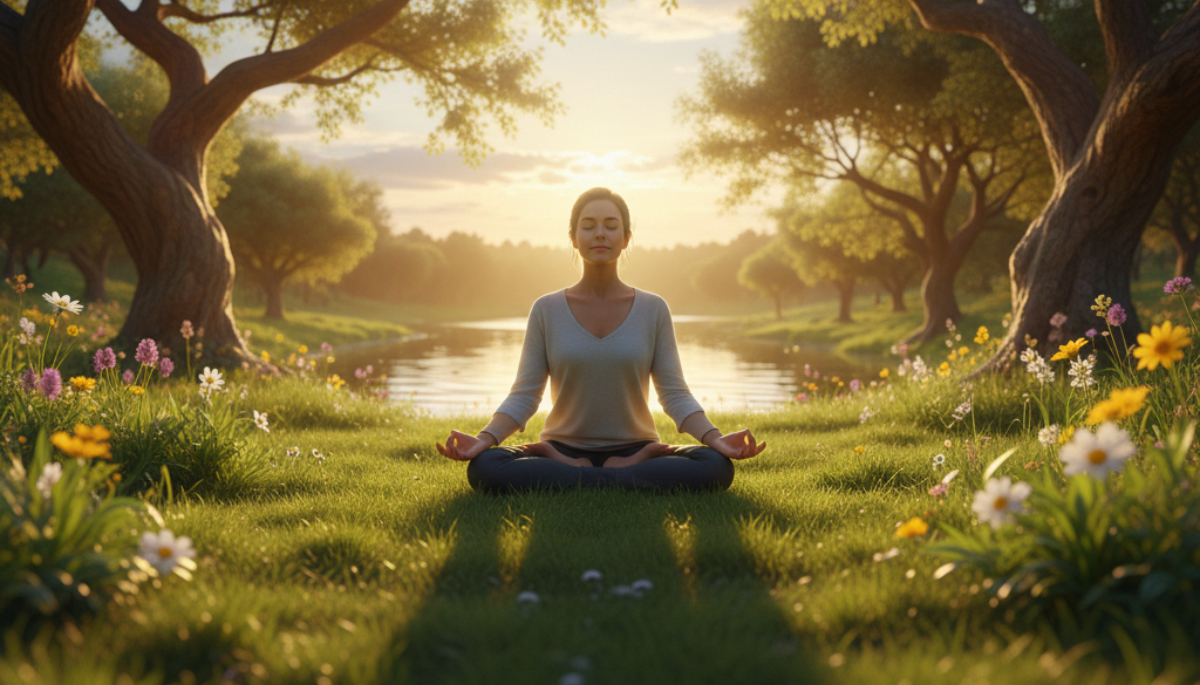
Meditation isn’t mystical—it’s neuroscience. When you meditate, you activate your parasympathetic nervous system, the part responsible for “rest and digest” responses. Research from Johns Hopkins University found that mindfulness meditation reduces anxiety symptoms as effectively as some anti-anxiety medications, with effects comparable to low-dose antidepressants.
The mechanism is straightforward: anxiety thrives on rumination—your mind replaying worst-case scenarios. Meditation interrupts this cycle by anchoring your attention to the present moment. Even 10 minutes daily creates measurable changes in brain regions associated with fear and emotional regulation.
How to start: Begin with guided meditations using apps like Insight Timer or Calm. Focus on breath awareness: inhale for four counts, hold for four, exhale for six. The extended exhale activates your vagus nerve, directly signaling safety to your brain. Consistency matters more than duration—daily practice for two weeks shows noticeable effects.
2. Regular Physical Exercise: The Natural Anxiolytic
Exercise is one of the most underrated anxiety treatments. Physical activity increases endorphins, reduces cortisol (your stress hormone), and improves sleep quality—all critical for anxiety management. A meta-analysis published in JAMA Psychiatry demonstrated that exercise reduces anxiety symptoms in 60% of participants, with benefits comparable to psychotherapy.
The type of exercise matters less than consistency. Aerobic exercise (running, cycling, swimming) works fastest, but even 30 minutes of brisk walking three times weekly produces measurable anxiety reduction. Yoga combines physical movement with breathing techniques, making it particularly effective for anxiety sufferers.
Practical approach: Start with activities you enjoy—resistance to exercise kills consistency. If you hate running, try dancing, hiking, or team sports. The goal is 150 minutes of moderate activity weekly, but even 20 minutes daily shows benefits within two weeks.
3. Herbal Supplements: Evidence-Based Options
Several herbs have robust clinical evidence supporting their anxiolytic properties. Unlike pharmaceutical drugs, herbal remedies work gradually and have fewer side effects, though they’re not side-effect-free.
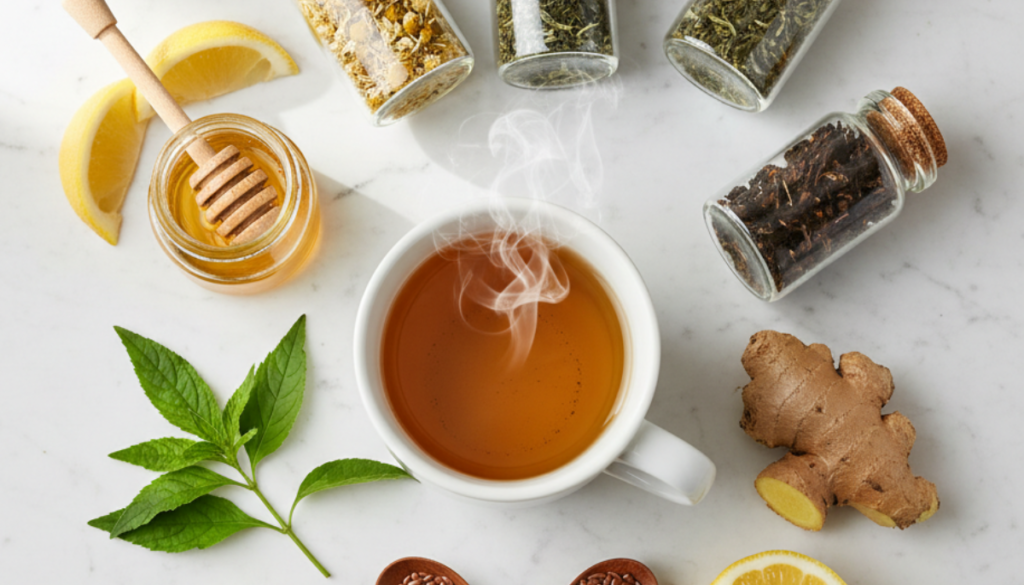
Ashwagandha is an adaptogen that reduces cortisol levels. Studies show it decreases anxiety by 56% over 60 days at doses of 300-600mg daily. Passionflower works by increasing GABA, the brain’s calming neurotransmitter—research shows effectiveness comparable to benzodiazepines but without dependency risk. Valerian root improves sleep quality, which directly reduces daytime anxiety. L-theanine, an amino acid from green tea, promotes relaxation without drowsiness.
The critical distinction: herbal supplements aren’t regulated like pharmaceuticals, so quality varies dramatically between brands. Purchase from third-party tested sources and consult a healthcare provider before combining supplements with medications, as interactions are possible.
Dosing guidance: Ashwagandha (300-600mg daily), Passionflower (400-900mg daily), Valerian (400-900mg at bedtime), L-theanine (100-200mg twice daily). Effects typically appear within 2-4 weeks.
4. Breathing Techniques: Instant Nervous System Reset
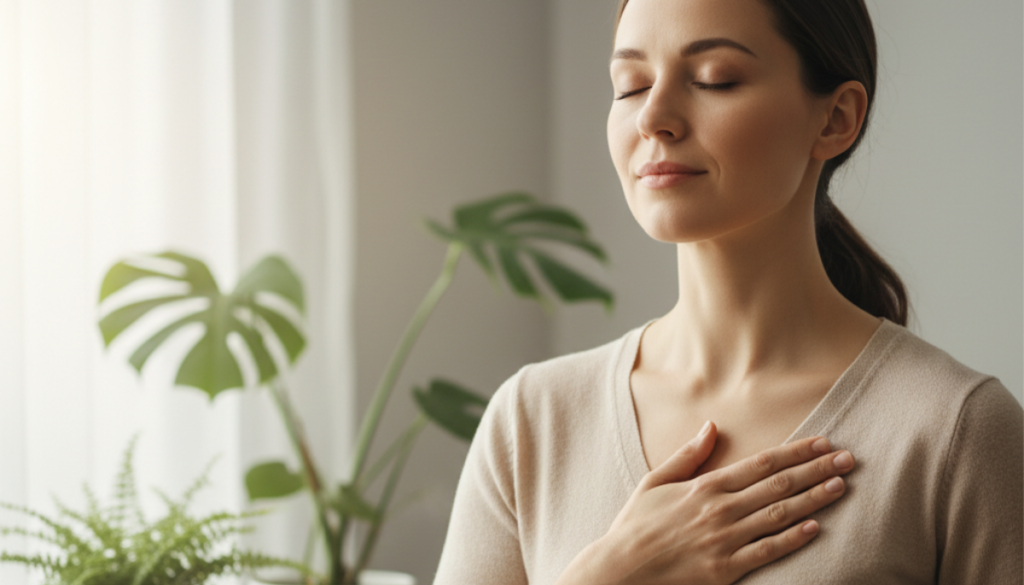
Your breath is the fastest lever to control your nervous system. The 4-7-8 breathing technique—inhale for 4 counts, hold for 7, exhale for 8—activates your parasympathetic response within minutes. This works because the extended exhale triggers vagal stimulation, signaling safety to your amygdala (your brain’s alarm center).
Box breathing (4-4-4-4 counts) is equally effective and easier to remember. During anxiety spikes, this technique can interrupt panic spirals in real-time.
When to use: Practice during calm moments to build the habit, then deploy during anxiety episodes. Even three rounds (90 seconds total) shifts your physiology measurably.
5. Sleep Optimization: The Anxiety Foundation
Poor sleep amplifies anxiety; anxiety disrupts sleep. This vicious cycle requires intervention. Sleep deprivation increases amygdala reactivity by 60%, making you hypervigilant to threats. Conversely, consistent sleep reduces anxiety by regulating serotonin and cortisol.
Optimize sleep by maintaining consistent bedtimes, avoiding screens 90 minutes before bed, keeping your bedroom cool (65-68°F), and limiting caffeine after 2 PM. If racing thoughts disrupt sleep, try the “worry window” technique: designate 15 minutes earlier in the day to write down anxieties, then consciously defer them at bedtime.
Read also:. “Sleep Quality: 7 Proven Strategies to Achieve Quality Sleep and Wake Up Fully Refreshed”
6. Dietary Changes: Nutrition as Anxiety Medicine
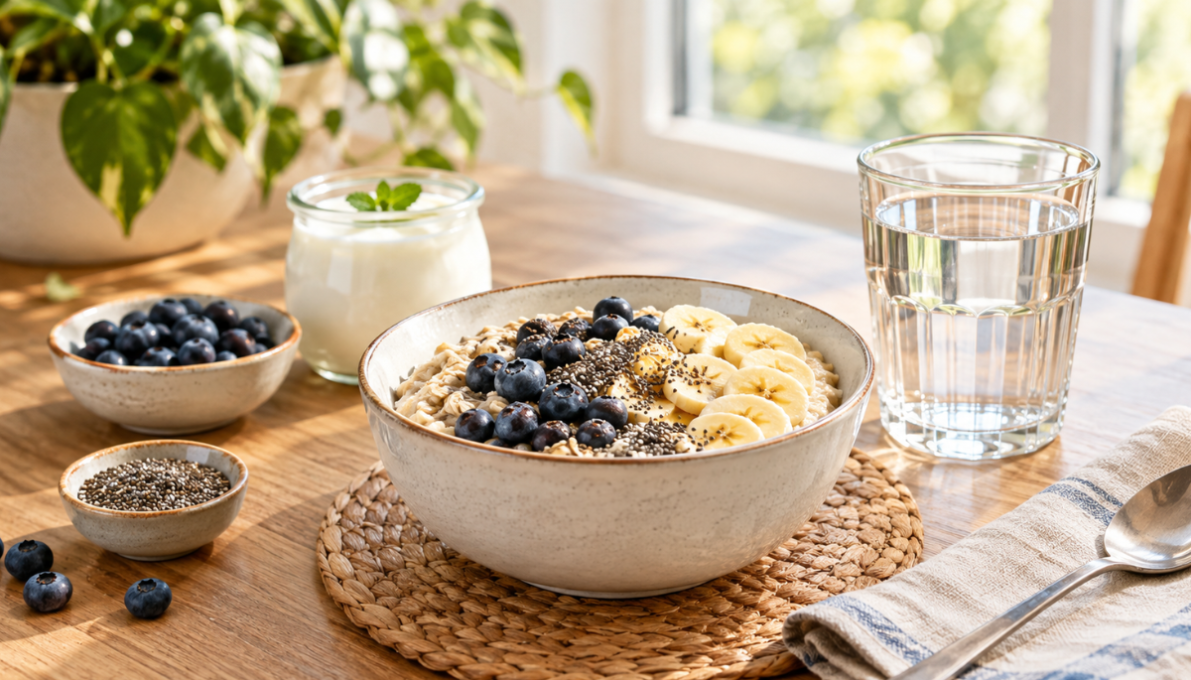
What you eat directly affects anxiety levels. Ultra-processed foods spike blood sugar, triggering cortisol surges. Conversely, foods rich in omega-3 fatty acids, magnesium, and B vitamins support neurotransmitter production.
Prioritize fatty fish (salmon, sardines), leafy greens, nuts, seeds, and whole grains. Magnesium-rich foods (pumpkin seeds, almonds, dark chocolate) are particularly effective—deficiency is linked to increased anxiety. Limit caffeine and alcohol, both of which destabilize mood and sleep.
7. Social Connection and Therapy: The Overlooked Remedy
Isolation amplifies anxiety; connection heals it. Regular social interaction reduces cortisol and activates your vagus nerve. Cognitive behavioral therapy (CBT), a structured form of talk therapy, is the gold standard for anxiety treatment and works synergistically with natural remedies.
Even informal support—talking with trusted friends, joining groups around shared interests, or volunteering—reduces anxiety measurably. The mechanism is biological: social safety signals your nervous system that threats are manageable.
Read also: “Understanding Diabetes: A Comprehensive Guide for Managing Your Health”
Comparing Natural Remedies: Which Works Best for You?
| Remedy | Speed of Effect | Best For | Effort Required | Cost |
|---|---|---|---|---|
| Meditation | 2-4 weeks | Chronic anxiety, rumination | Medium (daily practice) | Free-$15/month |
| Exercise | 1-2 weeks | Generalized anxiety, mood | High (3-5x weekly) | Free-$50/month |
| Ashwagandha | 2-4 weeks | Stress, cortisol reduction | Low (daily pill) | $10-20/month |
| Breathing techniques | Immediate | Acute panic, anxiety spikes | Low (minutes daily) | Free |
| Sleep optimization | 1-2 weeks | Anxiety + insomnia | Medium (habit change) | Free-$200 (one-time) |
| Dietary changes | 3-4 weeks | Chronic anxiety | Medium (meal planning) | Variable |
| Therapy/CBT | 4-8 weeks | Root cause treatment | High (weekly sessions) | $50-200/session |
Creating Your Anxiety Management Plan
The most effective approach combines multiple remedies tailored to your life. A practical starting point:
Week 1: Begin daily breathing exercises (5 minutes) and optimize sleep hygiene. Cost: free. Expected impact: 20-30% anxiety reduction.
Week 2-3: Add 20-30 minutes of exercise three times weekly. Start meditation with a guided app (10 minutes daily). Cost: free-$15/month. Expected impact: additional 30-40% reduction.
Week 4: If anxiety persists, add an herbal supplement (ashwagandha or passionflower). Consider dietary adjustments. Cost: $10-20/month. Expected impact: 50-70% total reduction.
Ongoing: If anxiety remains significant, combine these with professional therapy. Natural remedies enhance therapy outcomes but don’t replace it for moderate-to-severe anxiety.
Natural remedies for anxiety work—not as magic bullets, but as evidence-based interventions that address the biological roots of anxiety. Meditation rewires your brain’s threat response, exercise rebalances your neurotransmitters, herbal supplements provide chemical support, and breathing techniques offer instant relief. Combined with sleep, nutrition, and social connection, these approaches create a comprehensive anxiety management system.
The key is consistency and patience. Anxiety didn’t develop overnight, and sustainable relief requires sustained practice. Start with one or two methods that resonate with you, then layer in others. Most importantly, recognize when professional support is needed—natural remedies enhance therapy but shouldn’t replace it for moderate-to-severe anxiety.
Your nervous system is trainable. These seven methods give you the tools to retrain it toward calm.
Important Disclaimer
The information in this article is exclusively informational and educational in nature, and does not substitute for the evaluation or guidance of a qualified healthcare professional. Always consult a doctor or mental health professional before making any decisions about your treatment or diagnosis, especially if you are taking prescription medications or have a history of mental health conditions. Natural remedies may not be appropriate for everyone and may interact with medications. A qualified professional can evaluate your individual situation and recommend the most safe and effective approach for your needs.
FAQ: Natural Remedies for Anxiety
How long do natural remedies for anxiety take to work?
Most natural remedies show initial effects within 1-4 weeks with consistent use. Breathing techniques work immediately; meditation, exercise, and supplements require 2-4 weeks. Therapy effects typically appear within 4-8 weeks.
Can I combine natural remedies for anxiety with medications??
Yes, but consult your doctor first. Natural remedies generally complement medications, but some supplements (like St. John’s Wort) interact with SSRIs. Your healthcare provider can identify safe combinations.
Which natural remedy for anxiety acts fastest during a panic attack?
Breathing techniques (4-7-8 breathing or box breathing) work within minutes during acute panic. Exercise and meditation prevent future attacks by building nervous system resilience.
Is meditation effective for anxiety if I can’t calm my mind?
Yes. Meditation isn’t about achieving a blank mind—it’s about noticing thoughts without judgment and returning attention to your breath. A “busy mind” is normal and doesn’t mean meditation isn’t working.
Can natural remedies replace therapy for anxiety disorders?
Natural remedies reduce symptoms and support recovery, but clinical anxiety disorders benefit most from professional treatment. Combine natural methods with therapy for optimal results.
How much exercise is needed to reduce anxiety?
150 minutes of moderate activity weekly (or 75 minutes vigorous) follows standard guidelines. However, even 20-30 minutes daily shows measurable anxiety reduction within two weeks.
Are natural herbal supplements for anxiety safe for long-term use?
Most are safe for extended use when sourced from reputable brands. However, quality varies—buy third-party tested products. Some herbs (like valerian) may lose effectiveness over time, requiring periodic breaks.

My relationship with health and wellness began on a personal level, looking for practical ways to improve my own routine: more movement, more mindful eating, and basic oral care habits that, over time, made a real difference in my quality of life. It was this ongoing process of learning — testing, researching, and adjusting — that motivated me to share what I learn with others on the same journey.