According to the CDC National Diabetes Statistics Report, more than 38 million Americans live with diabetes, and millions more are living with prediabetes without knowing it. That makes diabetes management one of the most important health topics in the United States today.
The encouraging part is that diabetes management is not built on a single miracle food or a strict, unsustainable diet. Real progress usually comes from a repeatable system that helps you understand your numbers, reduce glucose spikes, and make daily choices that are realistic enough to maintain. The latest ADA Standards of Care emphasize individualized treatment because the best plan depends on the person, the type of diabetes, the presence of other conditions, and the risk of hypoglycemia.
That matters because diabetes is not one condition with one solution. Type 1, type 2, prediabetes, and gestational diabetes can all require different strategies. The common thread is that better diabetes management improves the chance of avoiding long-term complications and helps people live with more energy, better control, and less uncertainty.
What diabetes management actually means
In practical terms, diabetes management means making decisions that keep glucose as stable as possible across the day. That includes what you eat, how often you move, how you use medication, and how well you understand your body’s patterns.
A strong diabetes management plan usually includes these core goals:
- Keeping blood glucose within an individualized target range
- Improving A1C over time
- Reducing glucose spikes after meals
- Lowering the risk of heart, kidney, eye, and nerve complications
- Preventing lows as well as highs
- Building habits that are sustainable in real life
HbA1c in one sentence: HbA1c is a blood test that reflects average blood glucose over roughly 2 to 3 months, which is why it is one of the most useful markers in diabetes management.
Prediabetes in one sentence: Prediabetes means blood sugar is above normal but not yet high enough for a diabetes diagnosis, and it often has no symptoms.
The NIDDK overview of diabetes explains that many people do not feel obvious warning signs early on. That is one reason diabetes management should not depend on symptoms alone. By the time thirst, fatigue, blurry vision, or frequent urination appear, glucose may already have been elevated for some time.
The main types of diabetes and why the plan differs
Diabetes management works best when it is matched to the type of diabetes involved. The table below shows why the approach is not identical for everyone.
| Type | What is happening | Typical onset | Main diabetes management focus |
|---|---|---|---|
| Type 1 diabetes | The immune system attacks insulin-producing cells | Often childhood, teen years, or young adulthood | Insulin therapy, glucose monitoring, carb awareness, hypoglycemia prevention |
| Type 2 diabetes | The body becomes less responsive to insulin and may not make enough | Usually adulthood, but increasingly seen earlier | Nutrition, physical activity, weight management when relevant, medication, glucose tracking |
| Prediabetes | Glucose is elevated, but not high enough for diabetes diagnosis | Any adult age, often discovered on lab work | Lifestyle changes, weight reduction if appropriate, activity, regular monitoring |
| Gestational diabetes | Diabetes first appears during pregnancy | During pregnancy | Meal planning, glucose monitoring, activity, and pregnancy-specific medical care |
Type 2 diabetes is the most common form in the U.S., and it often develops quietly. Many people feel “fine” while glucose, insulin resistance, and inflammation are moving in the wrong direction. That is why diabetes management needs structure, not just motivation.
A useful rule is to stop asking, “How do I fix today’s number?” and start asking, “What pattern is driving this number?” That shift alone can make diabetes management far more effective.
![]() The daily framework that makes diabetes management work
The daily framework that makes diabetes management work
The strongest diabetes management plans are simple enough to repeat. They do not rely on willpower alone. They rely on rhythm.
1. Know your baseline numbers
Before changing anything, know your current starting point. That may include fasting glucose, post-meal glucose, A1C, blood pressure, weight trends, and medication schedule.
Diabetes management becomes much easier when the numbers are visible. Without them, people often guess. With them, they can identify what is actually helping.
2. Build meals around balance, not restriction
Meals that combine fiber, protein, and controlled carbohydrate portions tend to produce smoother glucose responses than meals built around refined starches alone. This is why diabetes management often improves when breakfast, lunch, and dinner are rebuilt rather than merely reduced.
3. Add movement after meals
Short walks after eating are a practical tool in diabetes management because they help lower post-meal glucose rise. Even a modest amount of movement can improve how the body uses glucose.
4. Use medication consistently when prescribed
Medication is not a failure. For many people, it is an essential part of diabetes management. The key is using the right medication at the right time, then tracking whether it is working.
5. Review patterns weekly, not just daily
One reading is a snapshot. A week of readings is a pattern. Diabetes management becomes more accurate when you compare meals, activity, sleep, stress, and medication timing across several days.
6. Protect sleep and stress levels
Poor sleep and chronic stress can make blood sugar harder to control. That does not mean stress is the “cause” of diabetes, but it does mean stress can complicate diabetes management in a real and measurable way.
Read also: “Sleep Quality: 7 Proven Strategies to Achieve Quality Sleep and Wake Up Fully Refreshed”
Food choices that improve diabetes management
Nutrition is one of the most visible parts of diabetes management, but it is often misunderstood. The goal is not to eliminate every carbohydrate. The goal is to choose carbohydrates wisely, pair them properly, and keep portions realistic.
The simplest starting point is the plate method.
Plate method in one sentence: Fill half your plate with non-starchy vegetables, one quarter with lean protein, and one quarter with high-fiber carbohydrates.
That structure is easy to follow, visually clear, and flexible enough for most eating styles. It also fits well with the way many diabetes educators teach long-term diabetes management because it reduces guesswork.
What to emphasize more often
- Non-starchy vegetables like broccoli, spinach, peppers, mushrooms, and zucchini
- Lean proteins like chicken, fish, eggs, tofu, Greek yogurt, and beans
- High-fiber carbohydrates like oats, quinoa, lentils, berries, and whole grains
- Healthy fats in moderate amounts, such as avocado, olive oil, nuts, and seeds
- Water, unsweetened tea, and other zero-sugar drinks
What to limit more carefully
- Sugar-sweetened beverages
- Large portions of white bread, white rice, pastries, and desserts
- Highly processed snacks that combine refined flour, sugar, and fats
- Alcohol patterns that lead to overeating or unpredictable glucose changes
The point is not to create fear around food. It is to make diabetes management more predictable.
| Better choice | Less helpful choice | Why it matters |
|---|---|---|
| Eggs, vegetables, and oats | Pastry and sweet coffee drink | More protein and fiber can blunt glucose rise |
| Salmon, salad, and quinoa | Fried fast food meal | Better nutrient density and less refined carbohydrate load |
| Greek yogurt with berries | Flavored yogurt with added sugar | Less added sugar, more protein, better satiety |
| Water or unsweetened tea | Soda or sweetened juice | Fewer rapid glucose spikes |
A useful real-world example: a breakfast of eggs, berries, and oatmeal usually creates a gentler glucose response than a muffin, hash browns, and a large sweetened latte. The food volume may be similar, but the metabolic impact is very different.
The ADA nutrition guidance consistently emphasizes individualized meal planning rather than one universal “diabetic diet.” That is an important point. Good diabetes management should fit the person, not force the person into an unrealistic template.
Exercise, sleep, and stress: the underrated part of diabetes management
Many people think diabetes management is mostly about food, but movement, sleep, and stress shape glucose control just as much. Ignoring them often leads to stalled progress.
The ADA recommends regular physical activity, including roughly 150 minutes per week of moderate-intensity aerobic exercise and resistance training on multiple days per week. That does not mean everyone must start with intense workouts. It means consistency matters more than perfection.
Practical movement strategies
- Walk 10 to 15 minutes after one or two meals per day
- Break up long sitting periods with short movement breaks
- Add strength training 2 to 3 times per week
- Use stairs, standing breaks, or short mobility sessions during the day
These are small actions, but they matter because muscle tissue helps the body use glucose more efficiently. In real-world diabetes management, a short daily routine often works better than an ambitious plan that collapses after two weeks.
Sleep also matters. When sleep is short or fragmented, appetite regulation and glucose control can become less stable. People often notice more cravings, more fatigue, and less patience for meal planning. That is why protecting sleep is part of diabetes management, not a separate “lifestyle bonus.”
Stress deserves the same attention. High stress can raise cortisol and make glucose harder to control. A practical stress strategy may include:
- A consistent wake and sleep time
- Short breathing exercises
- A daily walk
- Journaling or prayer
- Setting a realistic meal plan before the day gets busy
The best diabetes management plans do not ask people to eliminate stress. They ask people to reduce the damage stress can do.
Read also: “Natural Remedies for Anxiety: 7 Proven Methods to Calm Your Mind”

Monitoring tools and medications in diabetes management
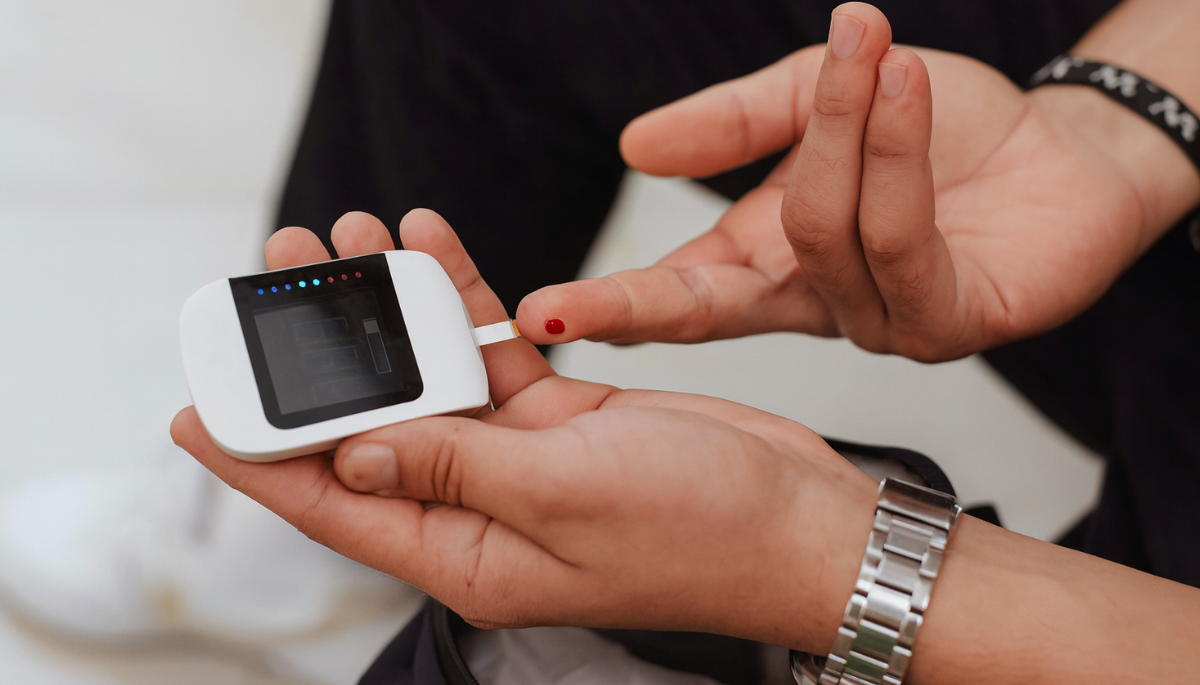
Glucose monitoring turns diabetes management from guesswork into pattern recognition. It helps answer a simple question: what is actually happening after meals, exercise, sleep, and medication?
Common monitoring tools
| Tool | What it shows | Best use |
|---|---|---|
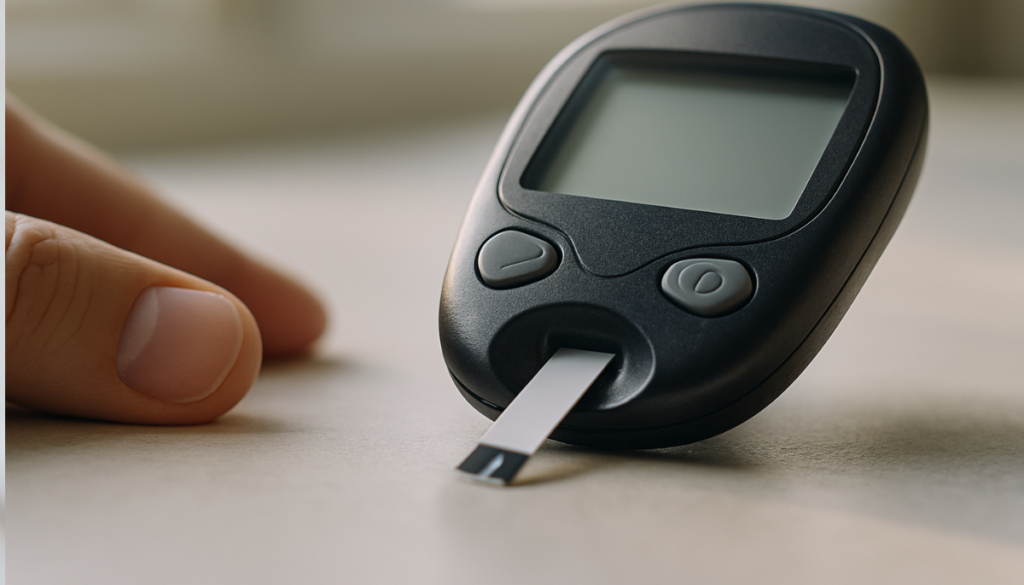
| Fingerstick glucose meter | A single glucose reading at a specific moment | Quick checks, confirmation, and routine self-monitoring |
| Continuous glucose monitor (CGM) | Real-time glucose patterns and trends | Seeing how meals, activity, and sleep affect glucose across the day |
| HbA1c test | Average glucose over 2 to 3 months | Long-term trend tracking and treatment review |
A1C is useful, but it does not tell the whole story. Someone can have a reasonable A1C and still experience large glucose swings. That is why diabetes management is stronger when A1C is paired with day-to-day data.
Medication options vary widely. Some people manage diabetes with lifestyle changes and oral medication. Others need injectable medication or insulin. The exact plan depends on the type of diabetes, overall health, glucose levels, and risk factors.
Common medication classes used in diabetes management include:
- Metformin, often used in type 2 diabetes to reduce glucose production and improve insulin sensitivity
- GLP-1 receptor agonists, which can improve glucose control and may also support weight loss in appropriate patients
- SGLT2 inhibitors, which help the body remove excess glucose through urine and may support heart and kidney health in selected patients
- Insulin, essential for type 1 diabetes and sometimes needed in type 2 diabetes or gestational diabetes
The key point is that medication should not be viewed as separate from diabetes management. It is part of the management plan. When medication, food, activity, and monitoring work together, the results are usually more stable.
For a concise, authoritative overview, the Mayo Clinic diabetes treatment page is a useful reference for understanding how treatment choices are individualized.
Why complications happen, and how diabetes management lowers risk
The reason diabetes management matters so much is simple: prolonged high glucose damages blood vessels and nerves over time. That damage may not appear all at once, which is why good control can feel “unnecessary” until complications show up.
The most common long-term complication areas are:
- Eyes: diabetic retinopathy and vision loss
- Kidneys: diabetic kidney disease
- Nerves: neuropathy, which can cause numbness, pain, or burning
- Heart and blood vessels: higher cardiovascular risk
- Feet: wounds that heal slowly and may become infected
The CDC and Mayo Clinic both highlight that diabetes can affect multiple organs, not just blood sugar. That is why diabetes management cannot stop at glucose numbers alone.
Some of the most useful preventive habits are not glamorous, but they are effective:
- Get eye exams on schedule
- Check feet regularly for cuts, redness, or numbness
- Monitor blood pressure and cholesterol
- Keep kidney labs up to date
- Treat high glucose patterns early instead of waiting
In practice, the people who do best with diabetes management are often not the ones who chase perfection. They are the ones who notice problems early and adjust before complications develop.
Common mistakes that weaken diabetes management
Even motivated people make avoidable mistakes. The good news is that most of them can be corrected quickly.
Mistake 1: Focusing only on fasting glucose
Fasting numbers matter, but they do not show the full picture. A person can wake up with a decent fasting reading and still spend the whole afternoon in a high-glucose range after meals.
Mistake 2: Treating weekends differently from weekdays
Many people stay consistent Monday through Friday and then abandon structure on weekends. That kind of pattern can make diabetes management look random even when it is actually predictable.
Mistake 3: Eating “healthy” but not enough protein or fiber
A meal can look healthy and still trigger a sharp glucose rise if it is mostly refined carbohydrate. Diabetes management improves when protein and fiber are part of each meal.
Mistake 4: Relying on supplements instead of evidence-based care
Supplements are often marketed as shortcuts, but diabetes management is rarely improved by shortcuts. Better results usually come from food quality, movement, medication adherence, and monitoring.
Mistake 5: Ignoring blood pressure and cholesterol
People sometimes think diabetes management is only about glucose. In reality, cardiovascular risk matters just as much. Good care looks at the full metabolic picture.
Mistake 6: Not bringing data to appointments
A short log of meals, activity, glucose readings, and medication timing can make appointments much more productive. It helps a clinician see patterns instead of isolated numbers.
A practical 7-day diabetes management reset
If you want a simple way to start, use this seven-day reset. *It is not a cure*. It is a practical reset that makes diabetes management more structured.
- Day 1: Write down your current glucose, A1C if available, medications, and typical meal pattern.
- Day 2: Replace one refined breakfast with a higher-protein, higher-fiber option.
- Day 3: Take a 10- to 15-minute walk after one meal.
- Day 4: Remove one sugar-sweetened drink from the day.
- Day 5: Build one plate using the half-vegetable, quarter-protein, quarter-carb method.
- Day 6: Improve sleep timing by 30 minutes.
- Day 7: Review your notes and identify one pattern to keep, one to adjust, and one to discuss with a clinician if needed.
This kind of reset works because it keeps diabetes management concrete. Instead of trying to change everything at once, you improve one small behavior at a time.
Important Disclaimer
This article is for informational and educational purposes only and does not replace evaluation or guidance from a qualified healthcare professional. Always make decisions about diagnosis, treatment, or medication with a licensed clinician who knows your medical history.
FAQ: Diabetes Questions
What is the most effective diabetes management strategy?
The most effective diabetes management strategy is the one that combines sustainable eating habits, regular physical activity, appropriate medication when needed, and consistent glucose monitoring. There is no single universal plan that works for everyone. The best plan is individualized and based on glucose patterns, A1C, lifestyle, and medical needs.
Can type 2 diabetes be managed without insulin?
Yes, many people with type 2 diabetes manage their condition without insulin, especially early on. Treatment may include nutrition changes, exercise, weight management when appropriate, and oral or injectable medications. Insulin is used when glucose control requires it or when other treatments are not enough.
What foods help with diabetes management?
Foods that help diabetes management usually contain more fiber, protein, and minimally processed carbohydrates. Good examples include non-starchy vegetables, beans, lentils, eggs, fish, tofu, Greek yogurt, berries, oats, and whole grains in controlled portions. The key is balance, not elimination.
How often should blood sugar be checked?
How often blood sugar should be checked depends on the type of diabetes, the medications used, and the person’s risk of highs or lows. Some people check several times a day, while others rely more on CGM data or periodic lab testing. A clinician can help set the right schedule.
What is a normal HbA1c target?
Many nonpregnant adults with diabetes aim for an HbA1c below 7%, but the best target can be higher or lower depending on age, overall health, hypoglycemia risk, and other medical conditions. HbA1c targets should be individualized rather than treated as a one-size-fits-all rule.
Is a continuous glucose monitor worth it?
A continuous glucose monitor can be very useful because it shows real-time trends, not just single readings. It helps people see how meals, sleep, exercise, stress, and medication affect glucose throughout the day. For many patients, that extra visibility improves diabetes management.
What are the early signs that diabetes is not well controlled?
Common signs include excessive thirst, frequent urination, fatigue, blurred vision, slow-healing wounds, unexplained weight changes, and recurrent infections. Some people have few symptoms even when glucose is not controlled well, which is why regular monitoring matters. Blood work and glucose data are often more reliable than symptoms alone.

My relationship with health and wellness began on a personal level, looking for practical ways to improve my own routine: more movement, more mindful eating, and basic oral care habits that, over time, made a real difference in my quality of life. It was this ongoing process of learning — testing, researching, and adjusting — that motivated me to share what I learn with others on the same journey.