Mental health importance lies in its direct influence on how people think, feel, and function every single day. It shapes relationships, work performance, physical health, and long-term life satisfaction. Ignoring it doesn’t make...
Healthy snack ideas under 200 calories combine protein, fiber, or healthy fats to keep hunger in check without adding empty calories. Options like Greek yogurt with berries, apple slices with peanut butter, or...
Walking benefits include improved cardiovascular health, better weight management, reduced stress, and increased longevity. Research shows that even 7,000 daily steps can significantly lower mortality risk, challenging the popular 10,000-step myth. Understanding what...
Hydration importance refers to maintaining enough body water for normal temperature control, circulation, digestion, physical performance, and brain function. Daily needs vary with body size, food intake, weather, activity, pregnancy, and health. For most...
Yoga for flexibility combines controlled stretching, breath work, and sustained holds to gradually lengthen muscles and improve joint range of motion. Beginners benefit most from foundational poses like Cat-Cow and Downward Dog, while...
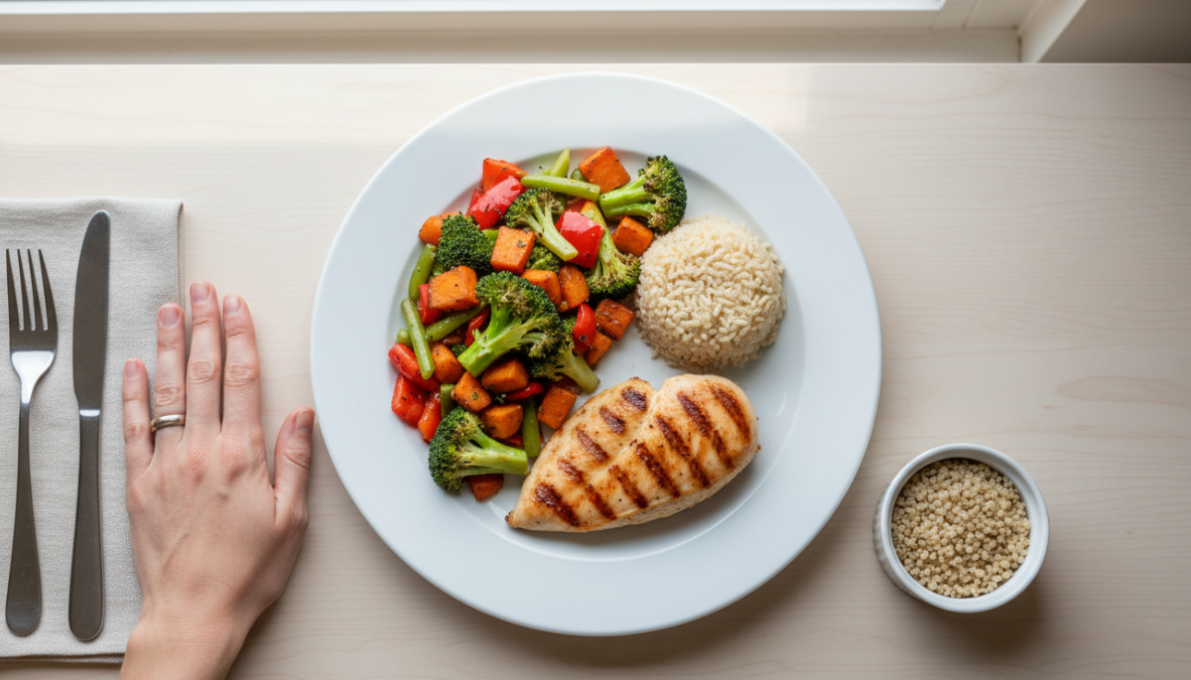
Meal prep for weight loss means cooking and portioning meals in advance using controlled calories, lean protein, and fiber-rich ingredients to prevent overeating and impulsive food choices. A well-planned weekly prep typically saves...
Home workout routines without equipment rely on bodyweight exercises like squats, push-ups, lunges, and planks to build strength, endurance, and mobility using only your body’s own resistance. Research from the American College of Sports...
Intermittent fasting is an eating pattern that cycles between defined periods of eating and voluntary fasting, rather than specifying which foods to eat. The most common approach restricts eating to an 8-hour window...
Stress management techniques are evidence-based practices that reduce the body’s physiological stress response, including deep breathing, physical activity, cognitive reframing, and structured relaxation methods. Regular use of these techniques lowers cortisol levels and...
Sleep hygiene tips are the daily habits and environmental changes that help you fall asleep faster and stay asleep longer, including a consistent bedtime, a cool dark bedroom, and limited screen time before...