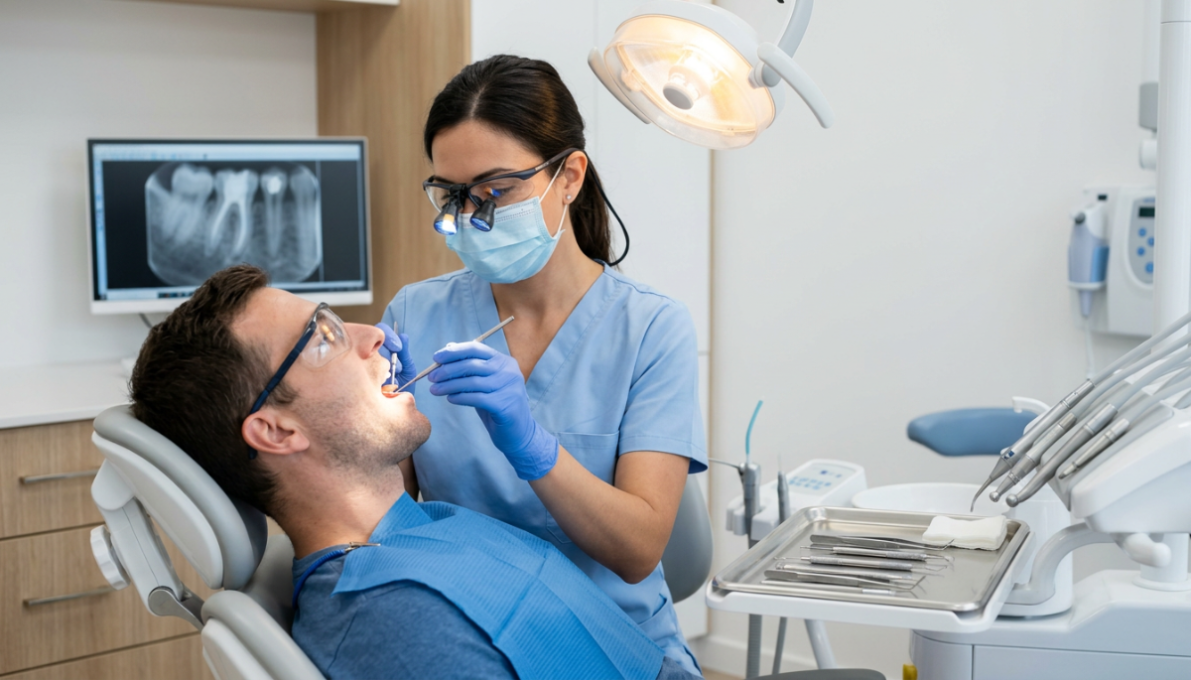
Mouth ulcer treatment focuses on relieving pain and protecting the sore while it heals on its own, usually within one to two weeks. Salt water rinses, over-the-counter gels, antiseptic mouthwash, and avoiding spicy or acidic foods help most people. Here is what works, why, and when a mouth ulcer needs a closer look.
You bite your cheek at lunch. By evening, there is a tender white spot that stings every time you drink water, brush your teeth, or talk. It looks tiny, yet it manages to dominate your whole day.
You are far from alone. The World Health Organization estimates that oral diseases affect nearly 3.5 billion people worldwide, and painful mouth sores are one of the most common complaints behind that number. Most are harmless and short-lived. That does not make them any less miserable while they last.
The good news is that you can reduce pain, speed up recovery, and lower the odds of the next one. This guide covers the types of ulcers, what triggers them, the home remedies and products that help, the popular “fixes” that backfire, and the warning signs that separate a routine sore from something else.
What Is a Mouth Ulcer?
A mouth ulcer is a small, painful sore on the soft tissue inside the mouth, usually round or oval with a white or yellow center and a red border. The most common type is the canker sore (aphthous ulcer), which is not contagious.
The pain is out of proportion to the size because the lining of your mouth is thin and packed with nerve endings. Once the surface breaks, saliva, food, and toothpaste irritate the exposed tissue directly.
The Three Main Types
According to Mayo Clinic, canker sores fall into three categories. Knowing which one you have helps you set realistic expectations for healing.
| Type | Size | Typical healing time | Scarring |
|---|---|---|---|
| Minor | Under 1 cm | 1 to 2 weeks | Rare |
| Major | Larger than 1 cm, deeper | Up to 6 weeks | Possible |
| Herpetiform | Pinpoint clusters that can merge | About 1 to 2 weeks | Rare |
Minor ulcers account for the large majority of cases. If yours is large, deep, or slow to heal, it may be a major ulcer, which often benefits from professional care.
What Causes Mouth Ulcers?
Researchers have not pinned down a single cause for recurrent mouth ulcers. In most people, a mix of triggers sets them off. Understanding yours is the foundation of long-term mouth ulcer treatment.
Common triggers include:
- Minor injuries from biting your cheek, aggressive brushing, or sharp dental work
- Toothpaste or mouthwash containing sodium lauryl sulfate (SLS)
- Emotional stress and poor sleep
- Hormonal shifts, such as those around menstruation
- Food sensitivities, often to acidic fruits, nuts, chocolate, or spicy dishes
- Low levels of vitamin B12, iron, folate, or zinc
Mayo Clinic also lists celiac disease and inflammatory bowel disease among conditions linked to frequent ulcers.
Good to know: If you get ulcers repeatedly, a simple habit log helps. Note what you ate, how you slept, and whether you changed toothpaste in the 48 hours before each sore appeared. Patterns often show up within two or three episodes.
Why the Nutrient Link Matters
Several studies have found that people with recurrent ulcers are more likely to have low B12, iron, or folate. Correcting a real deficiency can reduce recurrence. Taking supplements without a confirmed deficiency, however, has not been shown to help, so a blood test is the sensible first step.
Home Mouth Ulcer Treatment: Step by Step
Most ulcers heal without medication. Home care aims to reduce irritation, keep the area clean, and ease pain. Follow these steps in order for the best results.
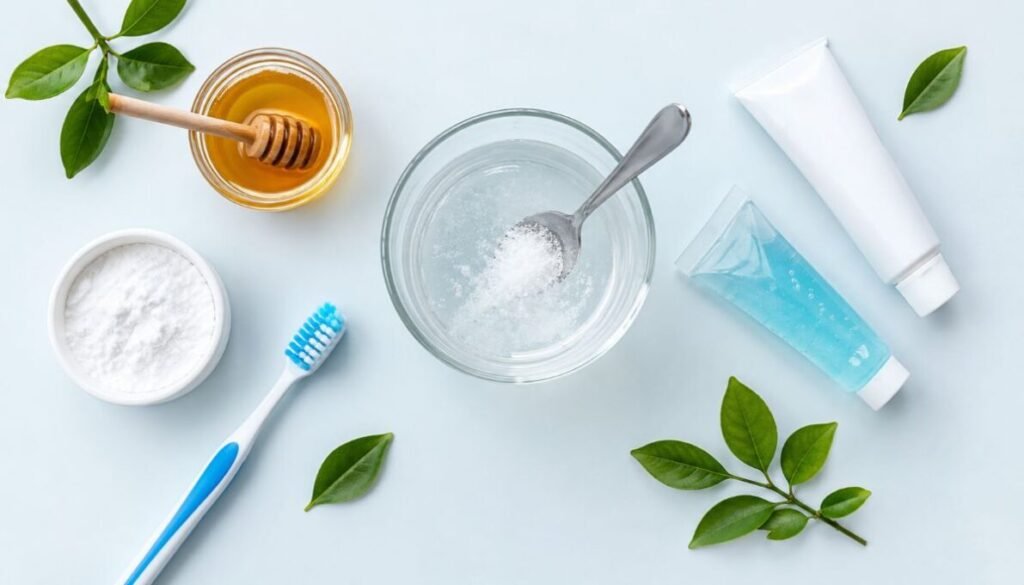
- Rinse with warm salt water. Dissolve half a teaspoon of salt in one cup (about 240 ml) of warm water. Swish for 30 seconds and spit. Repeat two to three times a day. It stings briefly, but it cleans the area and may reduce inflammation.
- Try a baking soda rinse. Mix half a teaspoon of baking soda in a cup of warm water. This can neutralize acids that aggravate the sore.
- Switch to an SLS-free toothpaste. This single change helps many people who get frequent ulcers.
- Use a soft-bristled toothbrush. Brush gently around the sore rather than skipping oral hygiene altogether.
- Apply cold. Let a small ice chip melt near the ulcer, or sip cold water. The cold dulls pain for a few minutes.
- Avoid trigger foods. Skip spicy, salty, acidic, and crunchy foods until the sore closes.
- Drink through a straw. This keeps acidic drinks away from the ulcer.
- Dab on a little honey. Small studies suggest honey may ease discomfort, though the evidence is limited. Treat it as a soothing extra, not a proven cure.
- Manage stress and sleep. Stress does not cause every ulcer, but it is a well-known trigger, and recovery is slower when you are run down.
Snippet answer: The fastest home mouth ulcer treatment combines warm salt water rinses, a soft diet free of acidic or spicy foods, and gentle brushing with an SLS-free toothpaste. Most minor ulcers close within 7 to 14 days.
The NHS guidance on mouth ulcers recommends similar self-care steps and notes that most ulcers clear up within a week or two.
Read also: “Gum Recession Causes: What Triggers It and Why“
Over-the-Counter and Medical Mouth Ulcer Treatment
When home care is not enough, pharmacy products can help. They fall into four broad groups, and each solves a different problem.
| Option | How it helps | Best for | Watch out for |
|---|---|---|---|
| Numbing gels (lidocaine, benzocaine) | Blocks pain for a short time | Eating and sleeping comfort | Not for young children; effect wears off in under an hour |
| Antiseptic mouthwash (chlorhexidine) | Reduces bacteria around the sore | Larger or slow-healing ulcers | Can stain teeth with prolonged use |
| Protective pastes and patches | Forms a barrier over the ulcer | Ulcers rubbed by food or teeth | Hard to apply on the back of the mouth |
| Corticosteroid pastes or rinses | Lowers inflammation | Severe or frequent ulcers | Often prescription-only |
Benzocaine products deserve extra care. The U.S. FDA has warned against using benzocaine on children under two, because of a rare but serious blood condition called methemoglobinemia.
When Prescription Treatment Makes Sense
Dentists and doctors may prescribe stronger options for major or very frequent ulcers. These include corticosteroid pastes, specialized mouth rinses, and in severe cases, oral medications. Their goal is to cut healing time and reduce pain, not just mask it.
The Mayo Clinic treatment overview explains that treatment is usually reserved for large, painful, or persistent ulcers, since most minor ones resolve alone.
Popular Remedies That Make Things Worse
Searching for relief online turns up some risky advice. Here is what to avoid, and the reason behind each warning.
Rubbing alcohol or undiluted hydrogen peroxide can burn healthy tissue around the ulcer and delay healing. Peroxide needs heavy dilution to be safe in the mouth.
Placing aspirin directly on the sore is an old tip that causes a chemical burn. Aspirin is meant to be swallowed, not dissolved against your gums.
Packing salt directly onto the ulcer is extremely painful and can irritate the tissue more. A dissolved rinse gives the benefits without the injury.
Squeezing toothpaste onto the sore usually backfires. Many formulas contain SLS and strong flavorings, both of which can aggravate ulcers.

What to Eat, and What to Skip
Food can make or break your comfort during healing. Soft, cool, and mild choices protect the ulcer. Hard, hot, or acidic ones reopen the wound with every bite.
Foods that tend to feel better include yogurt, scrambled eggs, oatmeal, mashed potatoes, bananas, smoothies (without citrus), and lukewarm soup. Foods that often hurt include citrus fruits, tomatoes, hot sauce, chips, nuts, and very salty snacks.
Real-life example: Someone who gets a painful ulcer every few weeks might discover that their morning orange juice and their “whitening” toothpaste are the common thread. Swapping both can cut the frequency noticeably, which is why trigger tracking matters.
Preventing the Next Ulcer
Prevention is the quiet half of mouth ulcer treatment. Use an SLS-free toothpaste, brush with a soft brush, chew slowly, and manage stress. If you wear braces or dentures, ask your dentist about orthodontic wax or an adjustment to smooth sharp spots.
Read also: “Cosmetic Dentistry Options: Costs, Types & Results“
When a Mouth Ulcer Is Not Just an Ulcer
Most sores are harmless. A few features, however, separate routine ulcers from ones that clinicians want to examine. This is factual medical guidance, not a reason for alarm.
According to the NHS, an ulcer that has not healed after three weeks should be assessed. Other warning signs include:
- Ulcers that keep returning in large numbers
- Unusually large or deep sores
- Red or white patches in the mouth
- A painless ulcer that does not heal
- Fever, swollen glands, or trouble swallowing
- Ulcers that appear after starting a new medication
A persistent painless ulcer matters most. Typical canker sores hurt, while some serious conditions, including oral cancer, may not. That reversal is why duration is such a useful signal.
Mouth ulcers are painful, common, and usually self-limiting. The best mouth ulcer treatment is simple: keep the area clean with salt water, protect it from irritating foods, use gentle oral care products, and add pharmacy options when you need more comfort. Avoid the risky shortcuts that burn tissue and slow healing.
Pay attention to patterns and duration. Frequent ulcers may point to a nutritional gap or an underlying condition, and a sore that lingers beyond three weeks deserves a professional look. If this guide helped, share it with someone who is wincing over their lunch, and browse our other Oral Health articles for more practical tips.
Important disclaimers
The information in this article is informational and educational only and does not replace the evaluation or guidance of a healthcare professional. Always consult a doctor or dentist before making any decision about your treatment or diagnosis, especially if an ulcer lasts more than three weeks, keeps recurring, or comes with other symptoms.
Frequently Asked Questions
How long does a mouth ulcer take to heal?
Most minor mouth ulcers heal in one to two weeks without treatment. Major ulcers can take up to six weeks and may leave a scar. An ulcer lasting longer than three weeks should be examined by a doctor or dentist.
What is the fastest way to get rid of a mouth ulcer?
No method makes a mouth ulcer vanish overnight, but you can speed recovery. Rinse with warm salt water, avoid spicy and acidic foods, use an SLS-free toothpaste, and consider a protective paste or antiseptic mouthwash. Reducing irritation is what lets the tissue close.
Does salt water really help mouth ulcers?
Yes, for comfort and cleanliness. A rinse of half a teaspoon of salt in a cup of warm water helps keep the sore clean and may reduce inflammation. It will not cure the ulcer, and it can sting for a few seconds.
What vitamin deficiency causes mouth ulcers?
Low vitamin B12, iron, and folate are the deficiencies most often linked to recurrent mouth ulcers, with zinc also mentioned in some research. A blood test can confirm whether you are deficient before you consider supplements.
Are mouth ulcers contagious?
Canker sores (aphthous ulcers) are not contagious, so you cannot catch them from kissing or sharing utensils. Cold sores are different: they are caused by the herpes simplex virus, appear mainly on the lips, and are contagious.
What is the difference between a canker sore and a cold sore?
Canker sores form inside the mouth, are not contagious, and have no confirmed single cause. Cold sores usually appear on or around the lips, begin as fluid-filled blisters, and are caused by the herpes simplex virus.
When should I worry about a mouth ulcer?
Be concerned if an ulcer lasts more than three weeks, is painless but persistent, grows unusually large, or comes with fever or difficulty swallowing. Frequent recurrences also deserve evaluation because they can signal a nutritional or medical issue.

My relationship with health and wellness began on a personal level, looking for practical ways to improve my own routine: more movement, more mindful eating, and basic oral care habits that, over time, made a real difference in my quality of life. It was this ongoing process of learning — testing, researching, and adjusting — that motivated me to share what I learn with others on the same journey.