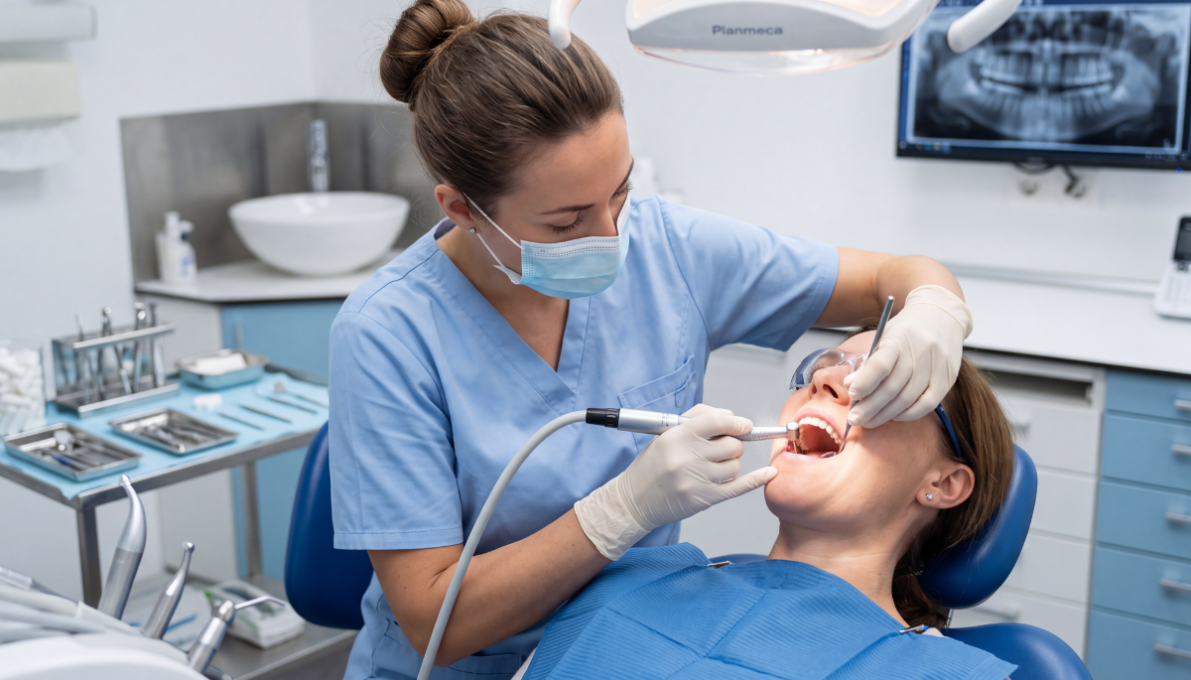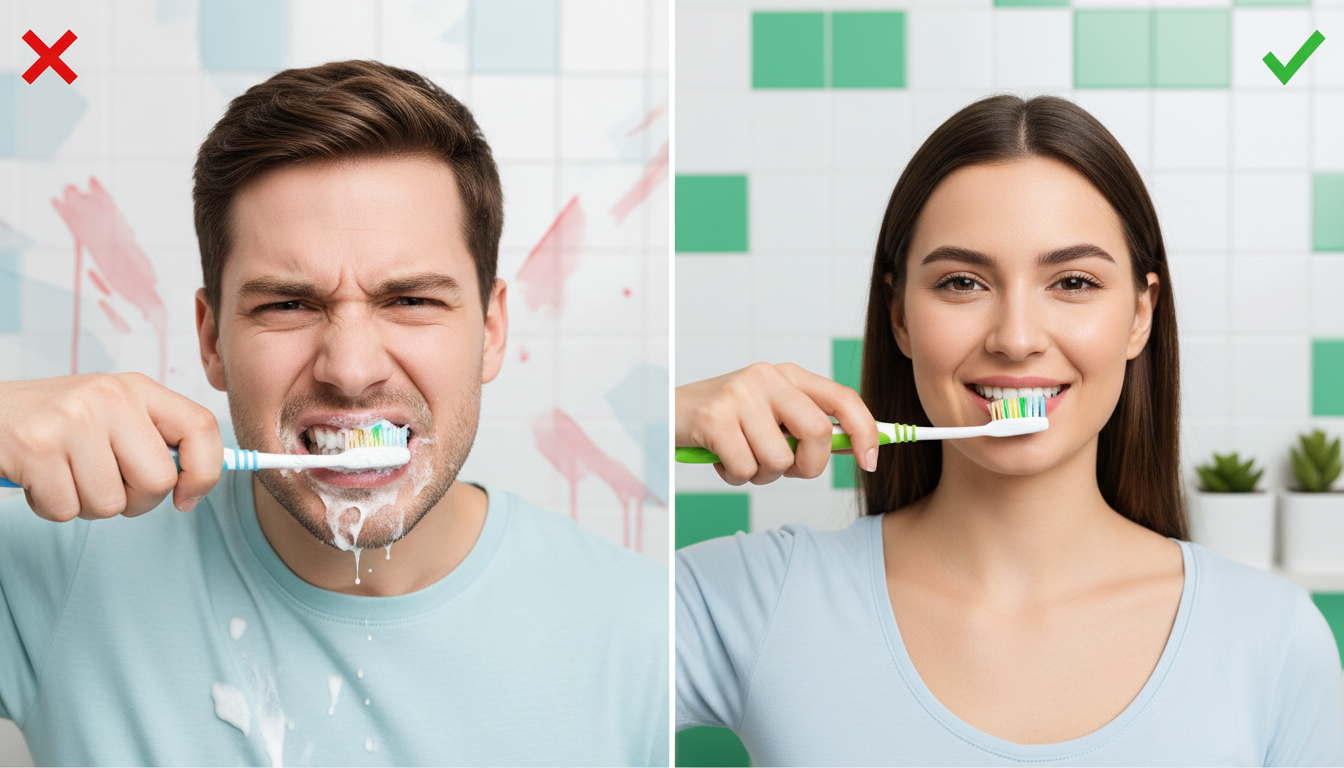
Cosmetic dentistry options range from simple, low-cost treatments like teeth whitening to comprehensive procedures such as veneers, implants, and full smile makeovers. Each option addresses different concerns, from discoloration to missing teeth, and costs and recovery times vary significantly. Understanding these differences helps patients choose a treatment that matches their goals, budget, and dental health.
A smile is often one of the first things people notice, and for many, insecurity about stained, chipped, or misaligned teeth affects confidence in everyday interactions. The good news is that dentistry has moved far beyond basic repair work. Today, cosmetic dentistry options give patients real control over how their smile looks and feels, without necessarily requiring invasive surgery. According to the American Dental Association, advances in materials science and digital imaging have made cosmetic procedures more predictable and longer-lasting than they were even a decade ago. This guide walks through the most common cosmetic dentistry options available in 2026, what each one actually involves, realistic cost ranges, and how to decide which path fits your specific situation. Rather than a generic overview, the goal here is to give enough depth that you leave with a clear sense of what to ask your dentist and what to expect from the process itself.
What Is Cosmetic Dentistry?
Cosmetic dentistry refers to any dental treatment performed primarily to improve the appearance of teeth, gums, or bite alignment, rather than to treat disease or dysfunction alone. It overlaps with restorative dentistry in many cases, since a crown or implant can restore function while also improving how a smile looks. The distinction matters because purely cosmetic procedures are typically not covered by dental insurance, while restorative work often is.
Main Cosmetic Dentistry Options Explained
Not every patient needs the same fix. Someone with slightly yellowed teeth has a very different starting point than someone missing a front tooth. Below is a breakdown of the most widely used cosmetic dentistry options, organized from least to most invasive.
Teeth Whitening
Teeth whitening remains one of the most requested cosmetic dentistry options because it is fast, non-invasive, and relatively affordable. In-office whitening uses a higher concentration of peroxide-based gel activated by light, producing visible results in a single visit. At-home options, whether custom trays from a dentist or over-the-counter kits, work more gradually over one to two weeks.
What most people don’t realize is that whitening only works on natural enamel — it does not change the color of crowns, veneers, or fillings, which is why dentists often recommend addressing whitening before any restorative work that involves visible teeth. Results typically last six months to two years depending on diet, smoking habits, and whether touch-up treatments are used.
Porcelain Veneers
Veneers are thin shells, usually made of porcelain or composite resin, bonded to the front surface of teeth. They are used to correct discoloration that doesn’t respond to whitening, close small gaps, or reshape teeth that are chipped or slightly misaligned. Traditional porcelain veneers require removing a thin layer of enamel, which makes the change permanent — once enamel is removed, the tooth will always need some form of covering.
No-prep or minimal-prep veneers have become more common in recent years, preserving more of the natural tooth structure while still correcting cosmetic issues. On average, well-maintained porcelain veneers last 10 to 15 years before needing replacement.
Dental Bonding
Bonding uses a tooth-colored composite resin applied directly to the tooth and hardened with a curing light. It’s the most conservative of the enamel-covering cosmetic dentistry options, often completed in a single appointment without anesthesia. Bonding works well for small chips, gaps, or minor shape corrections, but it’s less durable than veneers or crowns and can stain over time, similar to natural enamel.
Dental Crowns
A crown covers the entire visible portion of a tooth and is typically recommended when a tooth is significantly damaged, weakened by a large filling, or misshapen beyond what bonding or veneers can correct. While crowns are often considered restorative rather than purely cosmetic, they play a major role in smile makeovers when several teeth need both structural support and aesthetic correction. Modern all-ceramic crowns closely mimic the translucency of natural enamel, addressing a common complaint about older metal-based crowns looking artificial.
Dental Implants
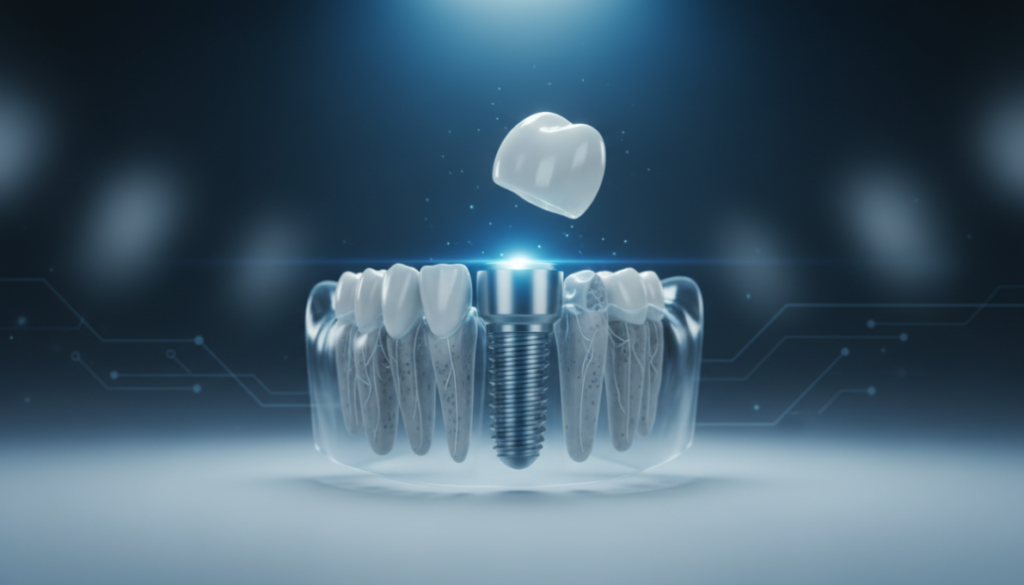
For patients missing one or more teeth, implants are considered the gold standard replacement. A titanium post is surgically placed into the jawbone, and after a healing period of several months, a custom crown is attached on top. The Mayo Clinic notes that implants function and look like natural teeth far more closely than removable dentures or fixed bridges, and they also help preserve jawbone density, which tends to deteriorate after tooth loss.
Implants sit at the more invasive and costly end of cosmetic dentistry options, but for many patients they’re the only solution that restores both appearance and full chewing function long-term.
Clear Aligners and Orthodontic Treatment
Crooked or misaligned teeth affect smile aesthetics even when there’s no underlying oral health problem. Clear aligners have made orthodontic correction far more accessible for adults who might have avoided traditional metal braces for cosmetic or professional reasons. Treatment length varies from a few months for minor corrections to 18 months or more for complex cases.
It’s worth noting that misalignment isn’t purely cosmetic in many cases — the National Institute of Dental and Craniofacial Research points out that crooked teeth can also contribute to uneven wear, jaw strain, and difficulty cleaning between teeth effectively, which links orthodontic treatment to broader oral health outcomes, not just appearance.
Gum Contouring
Sometimes the issue isn’t the teeth themselves but the gum line. Excess gum tissue can make teeth look short or uneven, a condition often called a “gummy smile.” Gum contouring reshapes the gum line using a laser or traditional surgical technique, exposing more of the tooth surface. It’s frequently combined with veneers or bonding as part of a broader smile makeover.
Full Smile Makeover
A smile makeover isn’t a single procedure but a customized combination of two or more cosmetic dentistry options designed together for a cohesive result. A patient might combine whitening, veneers on the front teeth, and gum contouring, planned as one treatment sequence rather than piecemeal fixes. This approach tends to produce more natural-looking, proportional results than treating each issue in isolation.
Comparing Cosmetic Dentistry Options
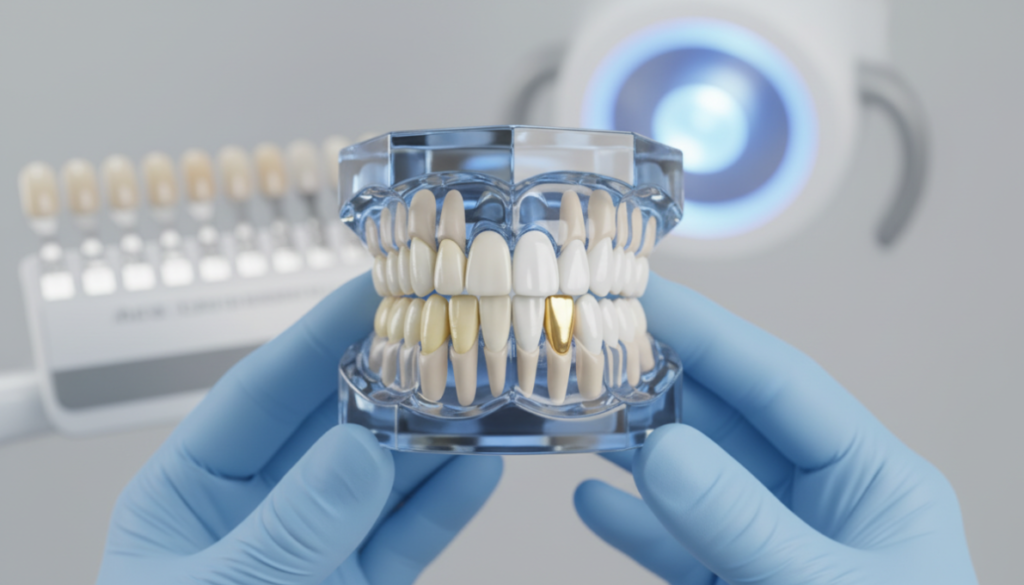
Choosing between treatments often comes down to how invasive a procedure is, how long results last, and what it costs. The table below summarizes the core differences.
| Option | Best For | Typical Longevity | Invasiveness | Approx. Cost Range (per tooth/treatment) |
|---|---|---|---|---|
| Teeth Whitening | Discoloration, staining | 6 months–2 years | Non-invasive | $300–$800 (in-office) |
| Dental Bonding | Small chips, gaps | 3–7 years | Minimal | $100–$400 |
| Porcelain Veneers | Discoloration, shape, gaps | 10–15 years | Moderate (enamel removal) | $900–$2,500 |
| Dental Crowns | Damaged/weak teeth | 10–15+ years | Moderate to significant | $800–$2,000 |
| Dental Implants | Missing teeth | 20+ years (often lifetime) | Surgical | $3,000–$5,500 |
| Clear Aligners | Misalignment | Permanent (with retainer use) | Non-surgical | $2,000–$6,000 (full treatment) |
| Gum Contouring | Gummy smile, uneven gum line | Permanent | Minor surgical | $500–$3,000 |
These figures are general U.S. averages and can vary widely based on geographic location, the dentist’s experience, and the number of teeth involved.
Read also: “Dental Floss Effectiveness: What Science Really Shows“
How Much Do Cosmetic Dentistry Options Cost Overall?
Cost is often the deciding factor, and it’s rarely a single number. A person correcting one chipped tooth with bonding might spend a few hundred dollars, while someone pursuing a full smile makeover with veneers and implants could spend well into five figures. Because most cosmetic dentistry options are considered elective, dental insurance typically doesn’t cover them, though procedures with a functional component — like crowns or implants replacing a damaged tooth — sometimes qualify for partial coverage.
Many dental practices offer financing plans specifically for cosmetic work, breaking larger treatments into monthly payments. It’s reasonable to ask a prospective dentist for a written cost breakdown before committing, including whether the quote covers follow-up visits or touch-ups.
Choosing the Right Cosmetic Dentistry Option for You
Selecting among cosmetic dentistry options works best as a structured process rather than a single decision made in one visit.
- Get a full dental evaluation first. Underlying issues like cavities or gum disease need to be treated before cosmetic work begins, since cosmetic procedures applied over untreated problems tend to fail faster.
- Define your primary concern. Is it color, shape, spacing, missing teeth, or a combination? This narrows the realistic options quickly.
- Ask about longevity and maintenance. A cheaper option that needs replacing every few years may cost more over a decade than a pricier, longer-lasting one.
- Request before-and-after photos of the dentist’s previous work. This is one of the most reliable ways to gauge whether a provider’s aesthetic style matches what you want.
- Compare at least two treatment plans. Cosmetic dentistry pricing and technique can vary significantly between practices for the same procedure.
Risks, Limitations, and Aftercare
No cosmetic dentistry option is entirely without trade-offs. Whitening can cause temporary sensitivity. Veneers and crowns involve some permanent removal of enamel. Implants carry standard surgical risks, including infection or implant failure, though success rates are generally high when performed by an experienced provider. Clear aligners require consistent daily wear — typically 20 to 22 hours — to stay on schedule, and skipping this can extend treatment time considerably.
Aftercare also differs by procedure. Veneers and bonding benefit from avoiding excessive force on front teeth, such as biting into hard foods directly. Implants require the same daily brushing and flossing routine as natural teeth, since gum disease around an implant can still lead to failure over time.
Read also: “Tooth Extraction Recovery: Timeline, Care & Tips“
Maintaining Your Results Long-Term
Even the best cosmetic dentistry options degrade faster without proper maintenance. Regular dental checkups every six months allow a dentist to catch early staining, minor chips, or gum recession before they become bigger problems. Avoiding tobacco and limiting heavily pigmented foods and drinks like coffee, red wine, and dark sauces extends the life of whitening results and keeps veneers looking consistent with surrounding natural teeth. For anyone who has invested in orthodontic correction, wearing a retainer as prescribed is what actually locks in the result — skipping this step is the most common reason teeth shift back after treatment.
Cosmetic dentistry options today cover a wide spectrum, from a single whitening session to a fully planned smile makeover combining several procedures. The right choice depends on what specifically bothers you about your smile, how much you’re willing to invest, and how long you want the results to last. Starting with a thorough dental evaluation and a clear conversation with your dentist about goals and budget makes the entire process far less overwhelming. Whichever path you choose, understanding the trade-offs upfront leads to results that actually meet expectations rather than surprises down the road.
Important Disclaimer:
The information in this article is intended for educational and informational purposes only and does not substitute for professional dental evaluation or advice. Always consult a licensed dentist before making decisions about your treatment or diagnosis.
Frequently Asked Questions
What is the most affordable cosmetic dentistry option?
Teeth whitening and dental bonding are generally the most affordable cosmetic dentistry options, often costing a few hundred dollars per treatment. Both are also the least invasive, requiring minimal or no removal of natural tooth structure.
Which lasts longer, veneers or crowns?
Both porcelain veneers and dental crowns typically last 10 to 15 years with proper care, though crowns cover the entire tooth and are often used when more structural support is needed, while veneers only cover the front surface.
Are cosmetic dentistry options covered by insurance?
Purely cosmetic procedures like whitening or veneers for aesthetic reasons are usually not covered by dental insurance. Treatments with a functional component, such as a crown replacing a damaged tooth, may receive partial coverage.
How long does teeth whitening last?
In-office teeth whitening results typically last between six months and two years, depending on diet, smoking habits, and whether the patient uses touch-up treatments at home.
Can clear aligners fix all types of misalignment?
Clear aligners work well for mild to moderate misalignment and spacing issues, but severe bite problems or significant rotations may still require traditional braces or a combination approach recommended by an orthodontist.
Do dental implants feel like real teeth?
Dental implants are anchored directly into the jawbone and function very similarly to natural teeth in terms of biting force and stability, unlike removable dentures which can shift during eating or speaking.
How do I know which cosmetic dentistry option is right for me?
The right option depends on your specific concern, whether it’s discoloration, shape, spacing, or missing teeth, along with your budget and desired longevity. A consultation with a dentist, including a review of before-and-after cases, is the most reliable way to decide.

My relationship with health and wellness began on a personal level, looking for practical ways to improve my own routine: more movement, more mindful eating, and basic oral care habits that, over time, made a real difference in my quality of life. It was this ongoing process of learning — testing, researching, and adjusting — that motivated me to share what I learn with others on the same journey.