
Caffeine effects on health include sharper focus, faster reaction time, and a short-term metabolic lift, but overuse can raise heart rate, disturb sleep, and fuel anxiety. Most healthy adults handle up to 400 mg daily without issues. The real impact depends on dose, timing, and individual sensitivity.
Millions of people start their day with a cup of coffee, an energy drink, or a strong tea without thinking twice about what caffeine actually does inside the body. It is the most widely consumed psychoactive substance in the world, and for good reason: it works fast and feels harmless in small amounts. According to the FDA, most healthy adults can safely consume around 400 milligrams of caffeine per day—roughly four cups of brewed coffee—without experiencing dangerous or negative effects.
But “safe in general” does not mean “safe for everyone, at every dose, at every time of day.” Caffeine interacts with sleep cycles, cardiovascular function, hormone regulation, and even mental health in ways that vary widely from person to person. This article breaks down what caffeine actually does in the short and long term, how much is considered reasonable, who should be more cautious, and practical ways to keep your intake working for you instead of against you.
How Caffeine Works in the Body
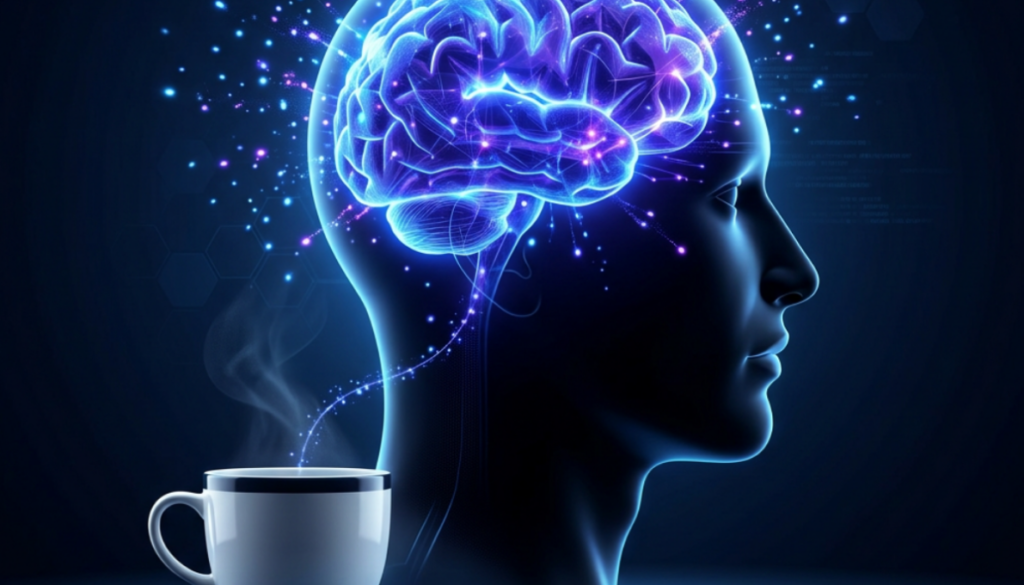
Caffeine is a stimulant that blocks adenosine, a brain chemical responsible for making you feel sleepy. When adenosine receptors are blocked, the brain interprets this as increased alertness, which is why a cup of coffee feels like an instant energy boost.
The effects usually begin within 15 to 45 minutes of consumption and peak around the one-hour mark. Caffeine has a half-life of approximately five hours in most healthy adults, meaning half of the dose is still active in the bloodstream five hours after intake—a key detail for anyone wondering why an afternoon coffee can still affect sleep at night.
Short-Term Effects of Caffeine on Health
In the first few hours after consumption, caffeine typically produces several noticeable effects on the body and mind.
- Increased alertness and reduced perception of fatigue
- Improved short-term concentration and reaction time
- Elevated heart rate and mild increase in blood pressure
- Temporary boost in metabolic rate
- Increased urine production due to its mild diuretic effect
These effects explain why caffeine is popular among students, athletes, and shift workers. In fact, research compiled by the National Institutes of Health associates moderate caffeine intake with modest improvements in endurance performance and perceived exertion during physical exercise.
Long-Term Effects of Caffeine on Health
Long-term, habitual caffeine use tells a more nuanced story. Regular moderate consumption has been linked to a lower risk of certain conditions, including type 2 diabetes and some liver diseases, largely attributed to compounds found in coffee beyond caffeine itself, such as antioxidants.
However, chronic high intake—well above the 400 mg threshold—has been associated with elevated blood pressure over time, disrupted sleep architecture, and increased anxiety symptoms in sensitive individuals. The body also builds tolerance: regular users often need progressively larger doses to feel the same stimulating effect, which can create a cycle of dependency.
Caffeine tolerance develops when the brain increases the number of adenosine receptors to compensate for frequent blocking, requiring more caffeine over time to achieve the same alertness.
Read also: “Mental Health Importance: A Complete 2026 Guide“
Caffeine, Sleep, Anxiety, and Heart Health
This is where dosage and timing matter most.
Sleep: Because of its five-hour half-life, caffeine consumed after early afternoon can delay sleep onset, reduce deep sleep stages, and lower overall sleep quality—even in people who don’t feel like they have trouble falling asleep.
Anxiety: Caffeine stimulates the release of adrenaline, which can intensify feelings of nervousness, jitteriness, or panic in people prone to anxiety disorders. Doses above 200-300 mg in a single sitting are more likely to trigger these symptoms.
Heart health: For most healthy people, moderate caffeine intake does not meaningfully increase long-term cardiovascular risk. But individuals with arrhythmias, uncontrolled hypertension, or specific heart conditions may experience palpitations or blood pressure spikes even at moderate doses.
Quick tip: If you notice heart palpitations, jitteriness, or trouble sleeping, try reducing your daily intake gradually by 25% every few days instead of stopping abruptly—this helps avoid withdrawal headaches.

How Much Caffeine Is Safe?
Caffeine content varies significantly depending on the source, which makes it easy to underestimate total daily intake.
| Source | Typical Serving | Approximate Caffeine |
|---|---|---|
| Brewed coffee | 240 ml (8 oz) | 95 mg |
| Espresso | 30 ml (1 shot) | 63 mg |
| Black tea | 240 ml (8 oz) | 47 mg |
| Energy drink | 250 ml (8.4 oz) | 80 mg |
| Cola soft drink | 355 ml (12 oz) | 34 mg |
| Dark chocolate | 28 g (1 oz) | 12 mg |
Values can vary depending on brand, brewing method, and bean or leaf type, but this table gives a realistic picture of how quickly intake can add up across coffee, tea, soda, and snacks in a single day.
Who Should Limit or Avoid Caffeine
Certain groups face higher risks from caffeine and should approach it with more caution.
- Pregnant individuals, who are generally advised to limit intake to under 200 mg per day
- People with anxiety disorders or panic attacks, who may be more sensitive to stimulant effects
- Individuals with heart arrhythmias or uncontrolled hypertension
- People taking certain medications that interact with caffeine metabolism
- Teenagers and children, whose smaller body mass makes them more sensitive to stimulant effects
- Anyone experiencing chronic insomnia or poor sleep quality
Read also: “Healthy Snack Ideas: 20 Options Under 200 Calories“
Tips to Manage Caffeine Intake
Small adjustments can help you enjoy caffeine’s benefits while minimizing its downsides.
- Avoid caffeine within 6-8 hours of bedtime to protect sleep quality
- Track total daily intake across coffee, tea, soda, and supplements, not just your morning cup
- Pair caffeine with food to reduce stomach irritation and blunt sharp energy crashes
- Hydrate throughout the day to offset caffeine’s mild diuretic effect
- Reduce intake gradually rather than quitting abruptly to avoid withdrawal symptoms like headaches or fatigue
Caffeine effects on health are neither purely positive nor purely negative—they depend heavily on dose, timing, and individual biology. Used moderately, caffeine can sharpen focus, support physical performance, and even offer some long-term metabolic benefits. Used carelessly, especially late in the day or in large amounts, it can undermine sleep, spike anxiety, and strain the cardiovascular system. Paying attention to your total daily intake and how your body responds is the most reliable way to make caffeine work in your favor rather than against you.
Important disclaimers
The information in this article is for informational and educational purposes only and does not replace the evaluation or guidance of a qualified healthcare professional. Always consult a doctor before making decisions about your diet, treatment, or any health condition, especially if you have pre-existing heart, anxiety, or sleep-related concerns.
Frequently Asked Questions
Is 400 mg of caffeine a day too much?
No, 400 mg per day is generally considered a safe upper limit for most healthy adults, roughly equivalent to four cups of brewed coffee. Individual tolerance can vary, so some people may experience side effects at lower doses.
Can caffeine cause anxiety?
Yes, caffeine stimulates adrenaline release, which can intensify nervousness, jitteriness, or panic symptoms, particularly in people who are already prone to anxiety or consume more than 200-300 mg at once.
How long does caffeine stay in your system?
Caffeine has an average half-life of about five hours in healthy adults, meaning half of the consumed dose is still active in the bloodstream five hours after intake.
Does caffeine affect sleep even if you fall asleep easily?
Yes, caffeine can reduce deep sleep stages and overall sleep quality even in people who don’t notice difficulty falling asleep, especially when consumed after early afternoon.
Is caffeine bad for the heart?
For most healthy individuals, moderate caffeine intake does not significantly increase long-term cardiovascular risk, but people with arrhythmias or uncontrolled hypertension may experience palpitations or blood pressure spikes.
How much caffeine is safe during pregnancy?
Pregnant individuals are generally advised to limit caffeine intake to under 200 mg per day due to slower caffeine metabolism during pregnancy.
Can you build a tolerance to caffeine?
Yes, regular use leads the brain to increase adenosine receptors, requiring progressively higher doses over time to achieve the same stimulating effect.

My relationship with health and wellness began on a personal level, looking for practical ways to improve my own routine: more movement, more mindful eating, and basic oral care habits that, over time, made a real difference in my quality of life. It was this ongoing process of learning — testing, researching, and adjusting — that motivated me to share what I learn with others on the same journey.