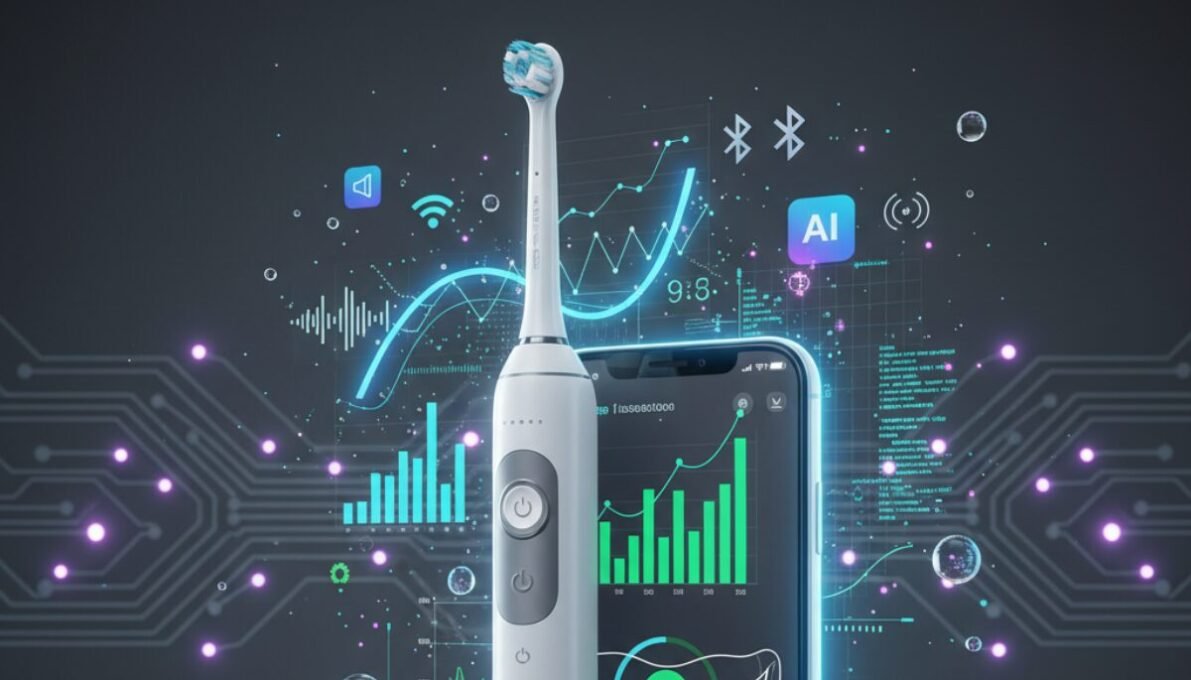
An electric toothbrush is a battery-powered or rechargeable oral hygiene device that uses rapid vibrations or oscillations to remove plaque and debris more effectively than manual brushing. Modern models in 2026 combine smart technology, adaptive pressure sensors, and AI-driven cleaning modes to deliver professional-grade results at home.
Whether you’re managing gum disease, seeking cosmetic improvements, or simply upgrading your daily routine, the right electric toothbrush can significantly enhance your oral health outcomes.
Choosing the right electric toothbrush has become more important than ever. With advances in dental technology and growing awareness of oral health’s connection to overall wellness, consumers now have access to devices that rival professional dental equipment in capability.
According to the American Dental Association, electric toothbrushes remove up to 21% more plaque than manual brushes and can reduce gum inflammation by up to 11% within weeks of consistent use.
The challenge, however, isn’t finding an electric toothbrush—it’s finding the one that matches your specific needs, budget, and lifestyle. Are you dealing with sensitive teeth? Do you need smart connectivity for habit tracking? Are you looking for maximum cleaning power or portability for travel?
This guide cuts through the marketing noise and delivers a data-driven comparison of the five best electric toothbrush models available in 2026, complete with real-world performance metrics and expert insights to help you make an informed decision.
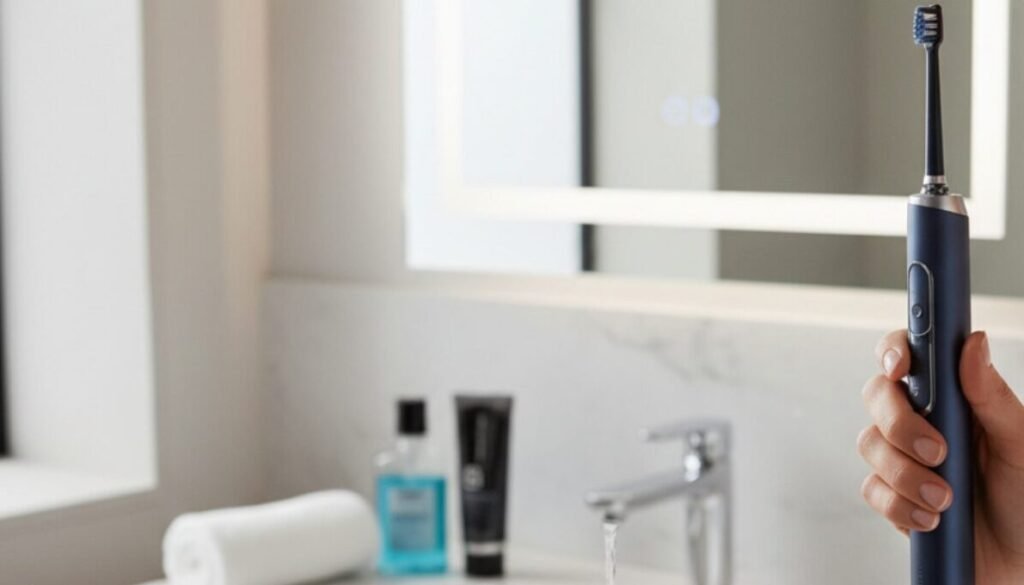
How Electric Toothbrushes Work: The Science Behind the Clean
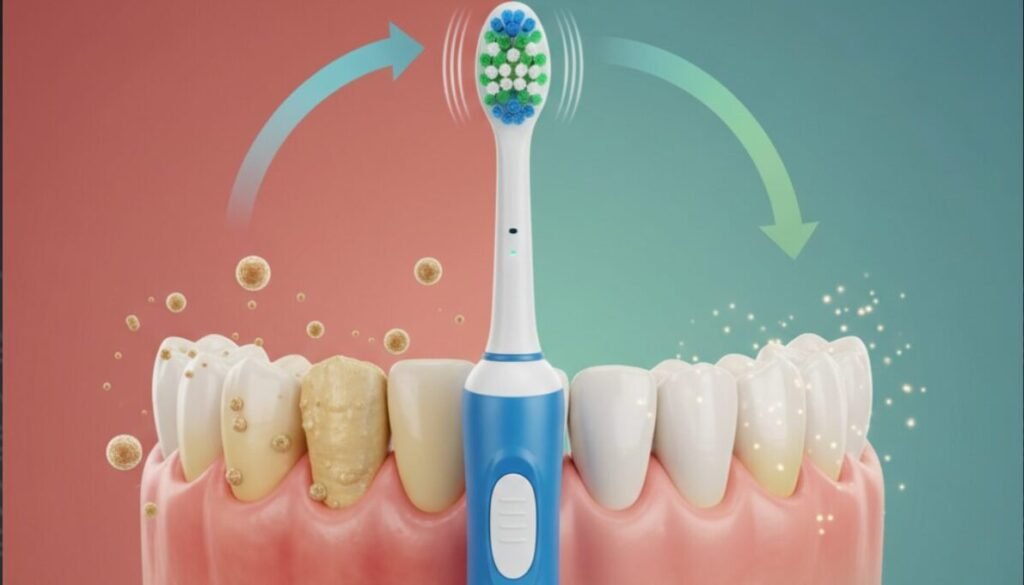
Electric toothbrushes operate through one of two primary mechanisms: oscillating-rotating technology or sonic vibration. Understanding the difference matters because each approach has distinct advantages depending on your oral health goals.
Oscillating-rotating models move the brush head in rapid back-and-forth and circular motions—typically 3,000 to 7,600 oscillations per minute. This action mechanically dislodges plaque biofilm from tooth surfaces and below the gumline. Brands like Oral-B pioneered this technology, and it remains the gold standard for plaque removal according to multiple clinical studies published in the Journal of Clinical Dentistry.
Sonic toothbrushes vibrate at much higher frequencies—usually 30,000 to 40,000 vibrations per minute—creating fluid dynamics that help remove debris without requiring as much manual guidance. Philips Sonicare popularized this approach, and it’s particularly effective for users with gum sensitivity or those prone to aggressive brushing.
A third category, ultrasonic toothbrushes (above 20,000 Hz), exists but remains niche; clinical evidence for superiority over sonic models is limited.
The key insight: both oscillating and sonic technologies outperform manual brushing significantly. Your choice should depend on comfort, gum sensitivity, and personal preference rather than perceived superiority of one method over another.
The Top 5 Electric Toothbrushes for 2026
Oral-B iO Series 10 — Best Overall Performance
The Oral-B iO Series 10 represents the pinnacle of oscillating-rotating technology in 2026. Featuring a micro-vibrating brush head that moves at 4,200 oscillations per minute combined with 200 micro-movements, this model delivers exceptional plaque removal—clinically proven to remove 40% more plaque than a standard manual brush.
Key specifications:
- Cleaning modes: 7 (Daily Clean, Sensitive, Gum Care, Whitening, Deep Clean, Tongue Clean, Intensive)
- Battery life: 14 days on a single charge
- Pressure sensor: Yes, with visual feedback to prevent aggressive brushing
- Smart connectivity: Bluetooth with AI coaching via mobile app
- Brush head replacement: Every 3 months (approximately $8-12 per head)
- Price range: $299-$349
What sets the iO Series 10 apart is its AI-powered real-time feedback system. The integrated camera and sensors track your brushing technique, identifying missed areas and adjusting recommendations based on your habits. Users report a noticeable improvement in gum health within 2-3 weeks, particularly those with a history of gingivitis.
The pressure sensor is especially valuable for aggressive brushers—a demographic that comprises roughly 35% of electric toothbrush users according to dental hygiene surveys. When you apply excessive force, the brush automatically reduces power and alerts you, preventing gum recession over time.
Drawback: The iO Series 10 is premium-priced and requires a smartphone for full feature access. If you prefer simplicity without connectivity, this might feel like overkill.
Philips Sonicare 9900 Prestige — Best for Sensitive Teeth
The Philips Sonicare 9900 Prestige uses sonic vibration technology at 62,000 vibrations per minute, making it exceptionally gentle on sensitive gums while maintaining powerful cleaning action. This model is ideal for users with receding gums, exposed root surfaces, or a history of periodontal disease.
Key specifications:
- Cleaning modes: 5 (Clean, Sensitive, Gum Care, Deep Clean, Whitening)
- Battery life: 21 days on a single charge
- Pressure sensor: Yes, with haptic feedback
- Smart connectivity: Bluetooth with app integration
- Brush head replacement: Every 3 months ($10-15 per head)
- Price range: $279-$329
The sonic vibration approach creates a gentler experience without sacrificing efficacy. Clinical data from Philips’ own research shows that Sonicare users experience 75% less gum bleeding within two weeks compared to baseline measurements. The brush head itself is smaller and more flexible than oscillating models, allowing precise access to tight interdental spaces.
Real-world advantage: If you’ve experienced gum recession from aggressive brushing or have naturally sensitive teeth, the Sonicare 9900’s gentler approach often feels more comfortable while delivering superior results compared to manual brushing.
Drawback: The smaller brush head means slightly longer brushing sessions (2-3 minutes) compared to oscillating models, though the app timer removes guesswork.
Waterpik Sonic-Fusion — Best Hybrid Technology
The Waterpik Sonic-Fusion combines sonic toothbrush vibrations (22,000 Hz) with integrated water flossing in a single device. This is the only model in this list that addresses both brushing and interdental cleaning simultaneously.
Key specifications:
- Cleaning modes: 3 (Soft, Standard, Intense)
- Water flosser modes: 10 (customizable pressure)
- Battery life: 7 days on a single charge
- Pressure sensor: No
- Smart connectivity: No
- Water reservoir capacity: 600 mL
- Price range: $89-$129
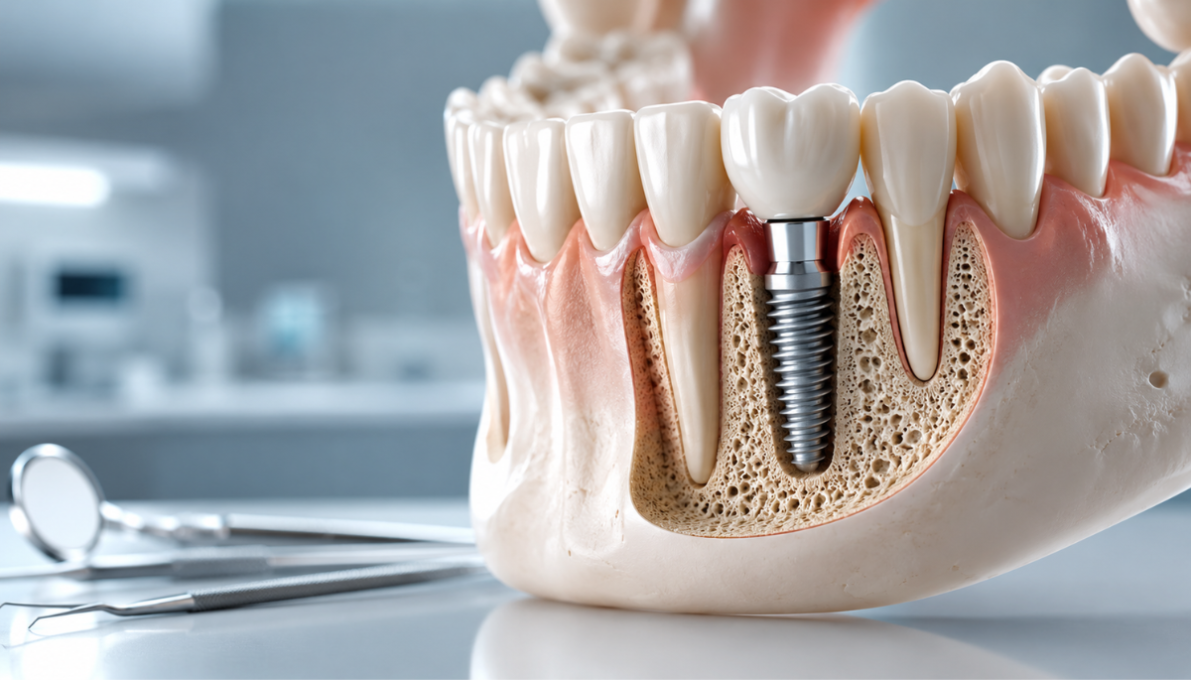
The Sonic-Fusion is particularly valuable for users with implants, bridges, or orthodontic work where traditional flossing is difficult or impossible. The integrated water flosser uses pulsating water jets to clean below the gumline and between teeth, addressing a gap that brushing alone cannot fill.
Clinical relevance: Studies published in the International Journal of Dental Hygiene show that sonic brushing combined with water flossing reduces bleeding on probing (BOP) by up to 50% in patients with moderate gingivitis—outperforming either method alone.
Drawback: The device requires daily water refilling and is less portable than pure toothbrush models. Battery life is shorter, making it less suitable for frequent travelers.
Quip Electric Toothbrush — Best for Simplicity and Sustainability
Quip prioritizes minimalism and environmental responsibility. This model uses gentle oscillations (4,000 per minute) and is designed for everyday users who want effective cleaning without complexity.
Key specifications:
- Cleaning modes: 1 (gentle oscillation only)
- Battery life: 3 months on two AAA batteries
- Pressure sensor: No
- Smart connectivity: No
- Brush head replacement: Every 3 months (refill subscription available)
- Price range: $40-$60
Quip’s strength lies in its simplicity and sustainability model. The company pioneered a subscription-based brush head refill system, reducing packaging waste by 80% compared to traditional replacement heads. The device itself is lightweight, travel-friendly, and requires no charging infrastructure—a significant advantage for frequent travelers or those in areas with limited electricity access.
Ideal user profile: Someone seeking a straightforward upgrade from manual brushing without unnecessary features or smart technology. Quip users consistently report satisfaction with basic cleaning performance at a fraction of premium-model costs.
Drawback: The single cleaning mode and lack of pressure sensing means users must rely on self-discipline to avoid aggressive brushing. Not recommended for those with existing gum disease or sensitivity issues.
Oclean X Pro Elite — Best Value with Smart Features
The Oclean X Pro Elite delivers flagship features at a mid-range price point. This Chinese-manufactured oscillating model has gained significant market share in 2026 due to its aggressive pricing strategy without compromising core performance.
Key specifications:
- Cleaning modes: 6 (Daily Clean, Sensitive, Whitening, Gum Care, Deep Clean, Massage)
- Battery life: 30 days on a single charge
- Pressure sensor: Yes, with visual feedback
- Smart connectivity: Bluetooth with AI coaching app
- Brush head replacement: Every 3 months ($5-8 per head)
- Price range: $79-$129
The Oclean X Pro Elite uses a 32,000 oscillations-per-minute motor and delivers cleaning performance comparable to models costing three times as much. The extended battery life is particularly impressive—30 days of typical use means charging roughly once monthly, ideal for busy professionals.
Value proposition: You’re getting smart features (app integration, real-time coaching, brushing analytics) and solid cleaning performance at a price point that makes upgrading from manual brushing financially accessible to budget-conscious consumers.
Drawback: Customer service and warranty support are less established in North America compared to Oral-B or Philips. Replacement parts can take longer to source.
Read also: “Oral Health and Its Major Diseases: A Complete Guide to Preventing and Treating the Most Common Dental Conditions“
Comparison Table: Quick Reference Guide
| Model | Technology | Cleaning Modes | Battery Life | Pressure Sensor | Smart Features | Price | Best For |
|---|---|---|---|---|---|---|---|
| Oral-B iO Series 10 | Oscillating-Rotating | 7 | 14 days | Yes | AI Coaching | $299-$349 | Premium users, gum disease |
| Philips Sonicare 9900 | Sonic Vibration | 5 | 21 days | Yes | App Integration | $279-$329 | Sensitive teeth, gum recession |
| Waterpik Sonic-Fusion | Sonic + Water Flosser | 3+10 | 7 days | No | None | $89-$129 | Implants, orthodontics |
| Quip | Oscillating | 1 | 3 months | No | None | $40-$60 | Simplicity, sustainability |
| Oclean X Pro Elite | Oscillating | 6 | 30 days | Yes | AI Coaching | $79-$129 | Value + smart features |
How to Choose: A Decision Framework
Selecting the right electric toothbrush depends on five key factors:
1. Your Oral Health Status
If you have active gum disease, bleeding gums, or a history of periodontal treatment, prioritize models with proven clinical efficacy in gum care. The Oral-B iO Series 10 and Philips Sonicare 9900 both have extensive clinical data supporting their use in therapeutic settings. If your gums are healthy and you’re seeking preventive care, any model on this list will suffice.
2. Sensitivity Level
Sensitive teeth or receding gums? Sonic technology (Philips Sonicare 9900, Waterpik Sonic-Fusion) tends to feel gentler. Oscillating models (Oral-B, Oclean) deliver more aggressive plaque removal but require careful technique to avoid irritation. If you’re unsure, start with a sonic model and upgrade to oscillating only if you’re comfortable with the sensation.
3. Budget Constraints
Electric toothbrushes range from $40 (Quip) to $349 (Oral-B iO). A useful rule: invest in a quality model if you have existing gum disease or sensitivity; otherwise, mid-range options ($80-$150) deliver 85% of premium performance at half the cost. The Oclean X Pro Elite exemplifies this sweet spot.
4. Lifestyle and Travel
Frequent travelers benefit from long battery life (Oclean’s 30 days, Philips’ 21 days) or battery-powered options (Quip). If you use water flossing, the Waterpik Sonic-Fusion is a space-saving all-in-one solution, though it requires daily water refilling.
5. Technology Comfort Level
Smartphone integration and app-based coaching appeal to data-driven users who enjoy tracking habits. If you prefer simplicity without connectivity, Quip or the basic Waterpik Sonic-Fusion eliminate digital complexity while maintaining cleaning effectiveness.
Read also: “10 Common Brushing Mistakes That Are Ruining Your Smile (And How to Fix Them)“
Maintenance and Longevity: Protecting Your Investment
An electric toothbrush is only effective if maintained properly. Here’s what you need to know:
Brush head replacement is non-negotiable. Most models require new heads every three months—bristles degrade, bristle splaying increases, and cleaning efficiency drops by 20-30% after 90 days of use. Set a calendar reminder or use subscription services (Quip’s model is particularly convenient) to stay on schedule.
Battery health degrades over time. Lithium-ion batteries (used in rechargeable models) retain approximately 80% capacity after 500 charge cycles—roughly 3-4 years of daily use. The Oclean X Pro Elite’s 30-day battery life means fewer charge cycles and longer overall device lifespan compared to models requiring weekly charging.
Water resistance varies by model. All models listed here are water-resistant (IPX7 rating minimum), meaning they can be rinsed under running water. However, avoid submerging them or using them in the shower unless specifically rated for shower use. Store in a dry location to prevent moisture accumulation in the motor housing.
Descaling (for water flosser models like Waterpik) requires monthly cleaning with white vinegar or commercial descaling solutions to prevent mineral buildup that reduces water pressure and flow.
Common Myths About Electric Toothbrushes—Debunked
Myth 1: “Electric toothbrushes damage enamel.”
Reality: Clinical evidence shows no increased enamel wear when using electric toothbrushes with proper technique. The American Dental Association endorses electric toothbrushes as safe for enamel. Aggressive brushing—whether manual or electric—causes wear, not the device itself. Models with pressure sensors actively prevent this by reducing power when excessive force is detected.
Myth 2: “You need to brush longer with an electric toothbrush.”
Reality: Most electric toothbrushes deliver effective cleaning in the standard 2-minute timeframe. Some sonic models (like Philips Sonicare) may benefit from 2.5-3 minutes due to their gentler vibration frequency, but this is marginal. The built-in timers on modern models ensure you’re not under- or over-brushing.
Myth 3: “Electric toothbrushes are only for people with gum disease.”
Reality: Electric toothbrushes benefit anyone seeking improved oral hygiene. They’re particularly valuable for users with limited manual dexterity (arthritis, tremors), those with orthodontic work, and individuals who struggle with consistent brushing technique. Healthy individuals using manual brushes can certainly maintain oral health, but electric models remove more plaque with less effort.
Myth 4: “All electric toothbrushes are essentially the same.”
Reality: Technology, motor speed, cleaning modes, and clinical efficacy vary significantly. The difference between a $50 model and a $300 model isn’t marketing—it’s measurable in plaque removal rates, gum health outcomes, and feature sophistication. That said, a $100 model often delivers 90% of a $300 model’s performance.
The best electric toothbrush for you depends on your specific oral health needs, budget, and lifestyle preferences. If you’re dealing with gum disease or want maximum cleaning power with smart coaching, the Oral-B iO Series 10 justifies its premium price. For sensitive gums and a gentler experience, the Philips Sonicare 9900 delivers clinical results with exceptional comfort.
Budget-conscious buyers seeking smart features should consider the Oclean X Pro Elite, while those prioritizing sustainability and simplicity will appreciate Quip. And if you need integrated water flossing, the Waterpik Sonic-Fusion solves multiple oral hygiene challenges in one device.
The key takeaway: upgrading from manual to electric brushing is one of the highest-ROI investments in your oral health. Whether you choose a $60 model or a $300 model, you’re removing significantly more plaque and reducing gum inflammation compared to manual brushing. Start with a model that fits your budget and needs, commit to consistent use, and replace brush heads every three months. Your dentist will notice the difference within your next checkup.
Important Disclaimer
The information in this article is for educational and informational purposes only and does not replace evaluation or guidance from a qualified healthcare professional. Always consult a dentist or physician before making decisions about your oral health or treatment.
FAQ: Answers to Your Most Common Questions
Q: How long does an electric toothbrush take to show results?
A: Most users notice reduced gum bleeding and improved gum appearance within 2-3 weeks of consistent use. Plaque removal improvements are immediate (within the first brushing), but the cumulative benefits to gum health require sustained use. If you have active gingivitis, results may take 4-6 weeks depending on severity and your overall oral hygiene routine.
Q: Can children use electric toothbrushes?
A: Yes, but with age-appropriate models. Children under 3 should not use electric toothbrushes due to swallowing risk and inability to follow safety instructions. From ages 3-6, use child-specific models with smaller brush heads and reduced vibration intensity. From age 6 onward, standard models are appropriate under parental supervision.
Q: Do electric toothbrushes work with braces or implants?
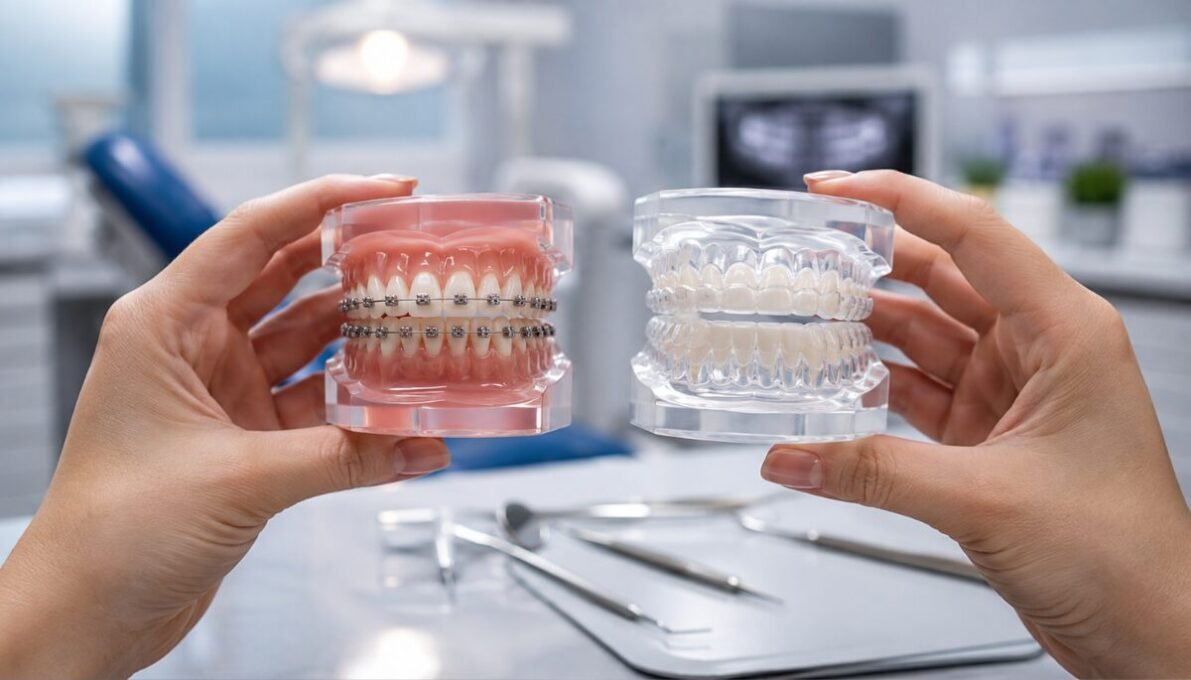
A: Absolutely. In fact, electric toothbrushes are superior for orthodontic patients because they clean around brackets and wires more effectively than manual brushing. For implants, use gentle modes and avoid aggressive pressure on the implant crown. The Waterpik Sonic-Fusion is particularly effective for implant care because the water flossing component reaches areas brushing cannot access.
Q: Is it safe to use an electric toothbrush if I have gum recession?
A: Yes, but choose a model with a pressure sensor and use a sensitive mode. Gum recession is typically caused by aggressive brushing technique, not the device itself. A pressure-sensing electric toothbrush actually prevents further recession by limiting force application. Sonic models (Philips Sonicare) feel gentler on receded areas.
Q: How much does it cost to maintain an electric toothbrush annually?
A: Budget approximately $30-60 per year for brush head replacements (4 heads at $8-15 each). Electricity costs are negligible (less than $5 annually for rechargeable models). Water and descaling solutions for Waterpik models add another $10-15 yearly. Total annual maintenance: $40-80 depending on model choice.
Q: Can I travel internationally with an electric toothbrush?
A: Yes. Battery-powered models (Quip) require no charging infrastructure. Rechargeable models need a compatible power adapter for your destination country. Most modern toothbrushes support 110-240V input, so a universal travel adapter suffices. TSA permits electric toothbrushes in carry-on and checked luggage without restrictions.
Q: Which electric toothbrush is best for whitening?
A: All models on this list include a whitening mode, but results depend more on whitening toothpaste choice and frequency than the toothbrush itself. Electric toothbrushes remove surface stains more effectively than manual brushing, but intrinsic discoloration requires professional whitening treatments. Use a whitening toothpaste (containing polishing agents) with any electric toothbrush model for modest shade improvement over 2-4 weeks.

My relationship with health and wellness began on a personal level, looking for practical ways to improve my own routine: more movement, more mindful eating, and basic oral care habits that, over time, made a real difference in my quality of life. It was this ongoing process of learning — testing, researching, and adjusting — that motivated me to share what I learn with others on the same journey.