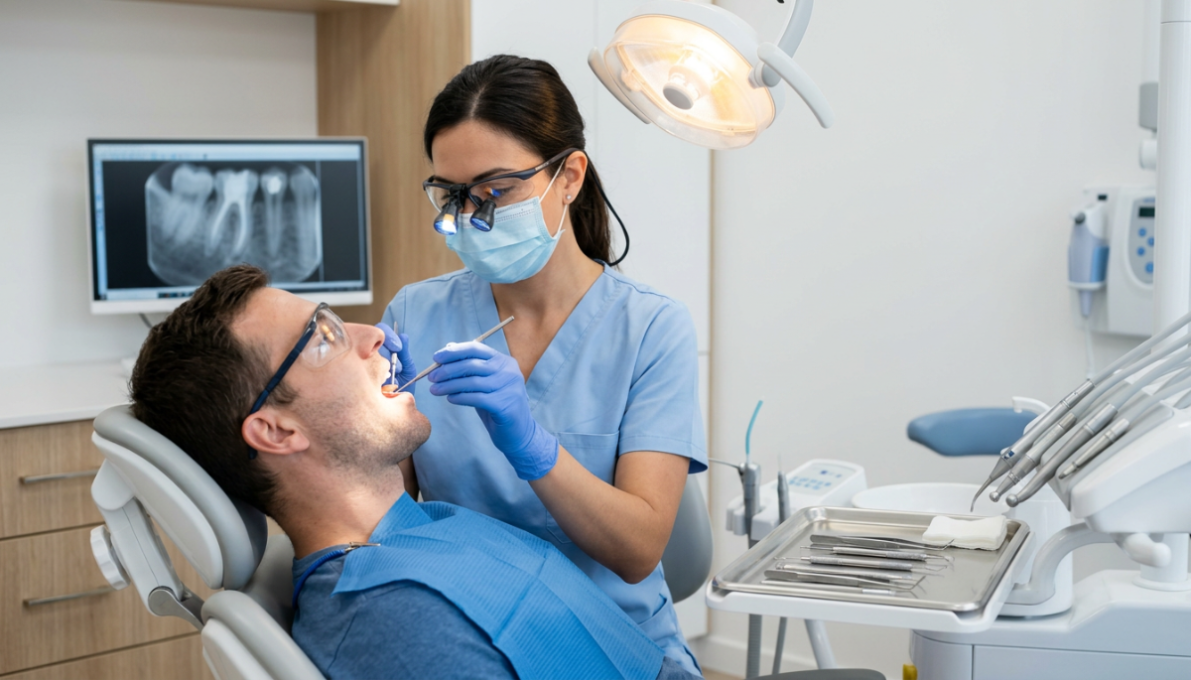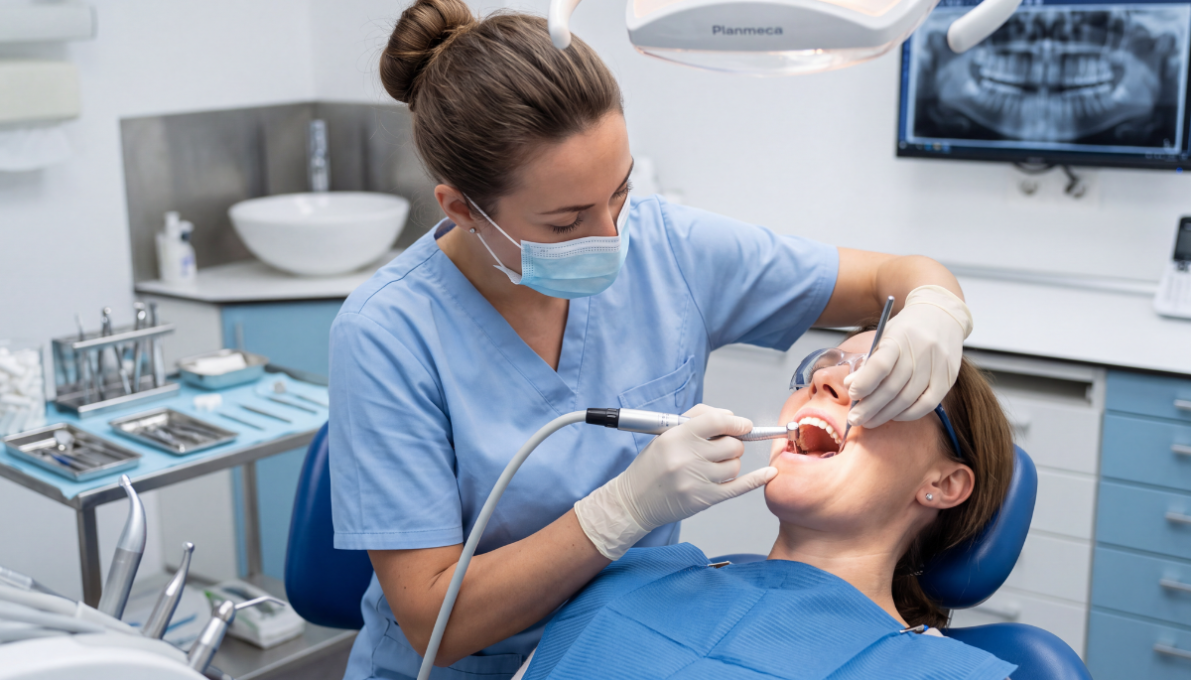
A dental crown procedure is a restorative dental treatment that covers a damaged, decayed, or weakened tooth with a custom-made cap, restoring its shape, strength, and function. The process usually takes two office visits: one to prepare the tooth and place a temporary crown, and a second to cement the permanent restoration. With proper care, most crowns last between 10 and 15 years.
Why People Need a Dental Crown
A cracked molar, a root canal that left a tooth brittle, or decay too extensive for a filling — these are the situations that usually send someone searching for information about a dental crown procedure. It’s rarely a planned decision; it’s a response to pain, a broken bite, or a dentist’s warning that waiting will only make things worse.
Tooth decay remains one of the most common chronic conditions affecting adults, according to the National Institute of Dental and Craniofacial Research, and crowns are one of the most frequently performed restorative treatments to address it once decay has progressed past the point where a filling can help. Understanding what the procedure actually involves — the steps, the timeline, the discomfort level, and the aftercare — makes the experience far less intimidating.
This guide walks through the entire dental crown procedure from diagnosis to long-term maintenance, including what materials are available, what happens at each appointment, and how to protect your investment once the crown is in place.
What Is a Dental Crown and When Do You Need One?
A dental crown is a tooth-shaped cap permanently fixed over an existing tooth, covering it completely from the gumline up. Unlike a filling, which fills a small cavity, a crown reinforces a tooth that has lost significant structure or strength.
Dentists typically recommend a crown for the following situations:
- A tooth with a large filling that no longer has enough natural structure to support it
- A tooth that has undergone root canal treatment and become brittle
- A cracked, fractured, or severely worn tooth
- A tooth with extensive decay that a filling cannot adequately restore
- Cosmetic reshaping of a misshapen or discolored tooth
- Anchoring a dental bridge in place
Snippet bait: A dental crown differs from a veneer because it covers the entire tooth structure, while a veneer only covers the front surface. Crowns are used for structural protection; veneers are primarily cosmetic.
Types of Dental Crowns: Materials Compared
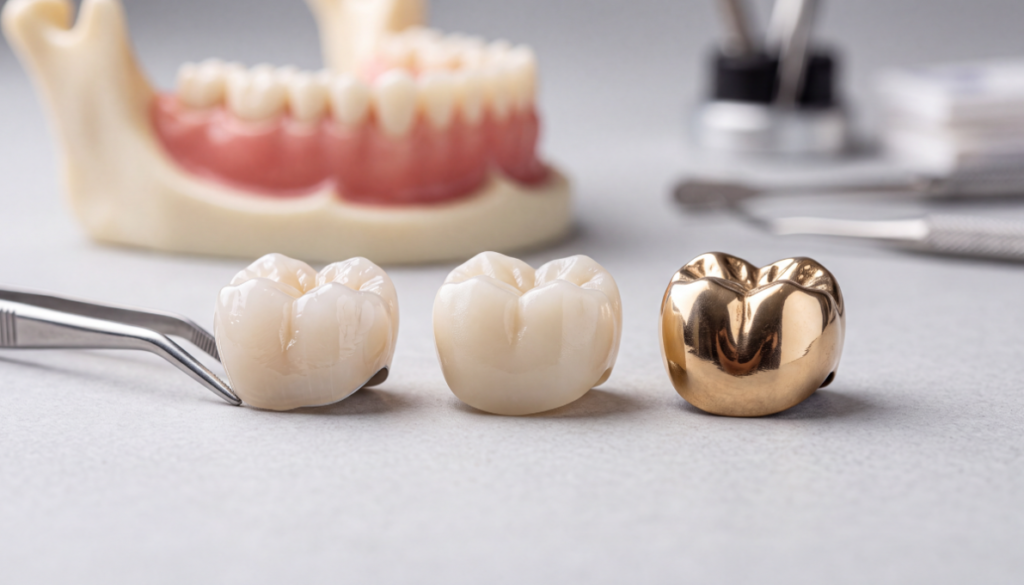
Material choice affects durability, appearance, and cost, and it’s usually decided jointly by the dentist and patient based on which tooth is being restored — front teeth prioritize appearance, while molars prioritize strength.
| Material | Durability | Appearance | Best For | Relative Cost |
|---|---|---|---|---|
| Porcelain-fused-to-metal (PFM) | High | Good, slight metal edge possible | Molars and premolars | Moderate |
| All-ceramic/porcelain | Moderate to high | Excellent, matches natural teeth | Front teeth | Moderate to high |
| Zirconia | Very high | Very good | Any tooth, especially heavy bite | Moderate to high |
| Gold alloy | Very high | Poor (visible metal) | Back molars, low visibility areas | Moderate to high |
| Resin composite | Lower | Good | Temporary crowns, budget option | Low |
Zirconia has gained popularity in recent years because it combines the strength of metal with an appearance close to natural enamel, making it a common recommendation for both front and back teeth.
Read also: “Mouthwash Benefits: What Really Works for Teeth“
The Dental Crown Procedure Step by Step
The procedure follows a predictable sequence, whether it’s performed with a traditional two-visit approach or same-day CAD/CAM technology available at some practices.
- Examination and X-rays. The dentist evaluates the tooth’s structure and checks the surrounding bone and root for signs of infection or decay that need treatment first.
- Local anesthesia. The area is numbed to keep the patient comfortable during reshaping.
- Tooth reshaping. The dentist files down the tooth on all sides to make room for the crown, or builds it up with filling material if too much structure is missing.
- Impression or digital scan. A mold or 3D scan captures the exact shape needed for the permanent crown, which is then sent to a dental lab.
- Temporary crown placement. A temporary crown protects the prepared tooth while the permanent one is fabricated, usually over one to three weeks.
- Fitting and cementation. At the second visit, the dentist checks the fit, bite, and color of the permanent crown, then cements it into place.
- Final bite adjustment. Minor adjustments ensure the crown doesn’t interfere with chewing or cause discomfort on adjacent teeth.
Quick tip: Same-day crown systems can complete the entire dental crown procedure in a single visit using in-office milling machines, eliminating the temporary crown stage entirely — though not every practice offers this technology.
What to Expect During and After the Procedure
Discomfort during a dental crown procedure is minimal because of local anesthesia, though mild soreness in the gums and jaw is common for a day or two afterward. Sensitivity to hot and cold is normal with a temporary crown and typically resolves once the permanent one is placed.
Snippet bait: Recovery from a dental crown procedure usually takes two to three days, with most patients returning to normal eating habits within a week once any residual sensitivity subsides.
According to the American Dental Association, patients should avoid sticky or hard foods around a temporary crown, since it is bonded with weaker cement designed for easy removal.

Dental Crown Aftercare: Tips for Longevity
A crown itself doesn’t decay, but the tooth underneath it can still develop cavities at the gumline if oral hygiene slips. The following habits directly affect how long a crown lasts:
- Brush twice daily with a soft-bristled brush, paying attention to the gumline around the crown
- Floss daily, sliding the floss out sideways rather than snapping it upward near the crown’s edge
- Avoid chewing ice, hard candy, or using teeth to open packaging
- Wear a nightguard if you grind your teeth, since bruxism is one of the leading causes of crown fracture
- Schedule regular dental checkups so early signs of decay or loosening are caught before they become bigger problems
Following these habits consistently is what separates a crown that lasts five years from one that lasts fifteen.
Common Problems and When to Call Your Dentist
Most crowns function without issue for years, but certain symptoms warrant a call to the dentist rather than waiting it out: persistent pain when biting down, a crown that feels loose or shifts when you touch it with your tongue, visible chips or cracks in the material, or a dark line appearing at the gumline that could indicate decay underneath.
The Cleveland Clinic notes that a crown coming loose is one of the more common reasons patients return for follow-up care, and it’s usually a straightforward fix if addressed promptly rather than left untreated.
Read also: “Root Canal Treatment: What to Expect and How to Recover“
Cost and Insurance Considerations
Crown costs vary significantly depending on material, location, and whether insurance covers part of the procedure, since crowns are frequently classified as a major restorative service rather than preventive care. Patients considering the investment should ask their dental office for a written estimate that separates the cost of the crown itself from any preparatory work, such as a root canal or buildup, since these are often billed separately.
A dental crown procedure restores both function and appearance to a tooth that’s too damaged for a simple filling, following a predictable path from examination to permanent placement. Choosing the right material, following the temporary crown precautions, and maintaining consistent oral hygiene afterward all play a direct role in how long the restoration lasts. If you’re weighing this treatment, bring your questions about material options and aftercare to your dentist before the first appointment — informed patients tend to have smoother recoveries and longer-lasting results.
Important disclaimers
The information in this article is intended for educational purposes only and does not replace professional dental evaluation or advice. Always consult a licensed dentist before making decisions about your treatment or diagnosis.
Frequently Asked Questions
How long does a dental crown procedure take?
A standard dental crown procedure requires two visits spaced one to three weeks apart, with each appointment typically lasting 60 to 90 minutes. Same-day crown systems, where available, can complete the process in a single visit of about two hours.
Is getting a dental crown painful?
The procedure itself is not painful because local anesthesia numbs the area during tooth reshaping. Mild soreness or sensitivity afterward is normal and usually resolves within a few days.
How long do dental crowns last?
Most dental crowns last between 10 and 15 years with proper oral hygiene and regular dental checkups. Lifespan depends on the material used, bite pressure, and habits like teeth grinding.
Can a dental crown fall off?
Yes, a crown can loosen or fall off if the cement weakens over time or if the tooth beneath it develops decay. If this happens, the crown should be kept safe and a dentist contacted promptly for reattachment or replacement.
What is the difference between a crown and a filling?
A filling repairs a small area of decay within the tooth’s existing structure, while a crown covers the entire visible portion of a tooth that has lost significant structural strength. Crowns are used when a tooth is too damaged for a filling to provide adequate support.
Do dental crowns require special care?
Dental crowns don’t require special products, but the surrounding gumline needs consistent brushing and flossing since the natural tooth underneath can still decay. Avoiding hard or sticky foods and treating bruxism also help extend a crown’s lifespan.
Is a root canal always needed before a crown?
No, a root canal is only necessary if the tooth’s nerve is damaged or infected; many crowns are placed on teeth with healthy nerves that simply need structural reinforcement. The dentist determines this need based on X-rays and the extent of decay or damage.

My relationship with health and wellness began on a personal level, looking for practical ways to improve my own routine: more movement, more mindful eating, and basic oral care habits that, over time, made a real difference in my quality of life. It was this ongoing process of learning — testing, researching, and adjusting — that motivated me to share what I learn with others on the same journey.