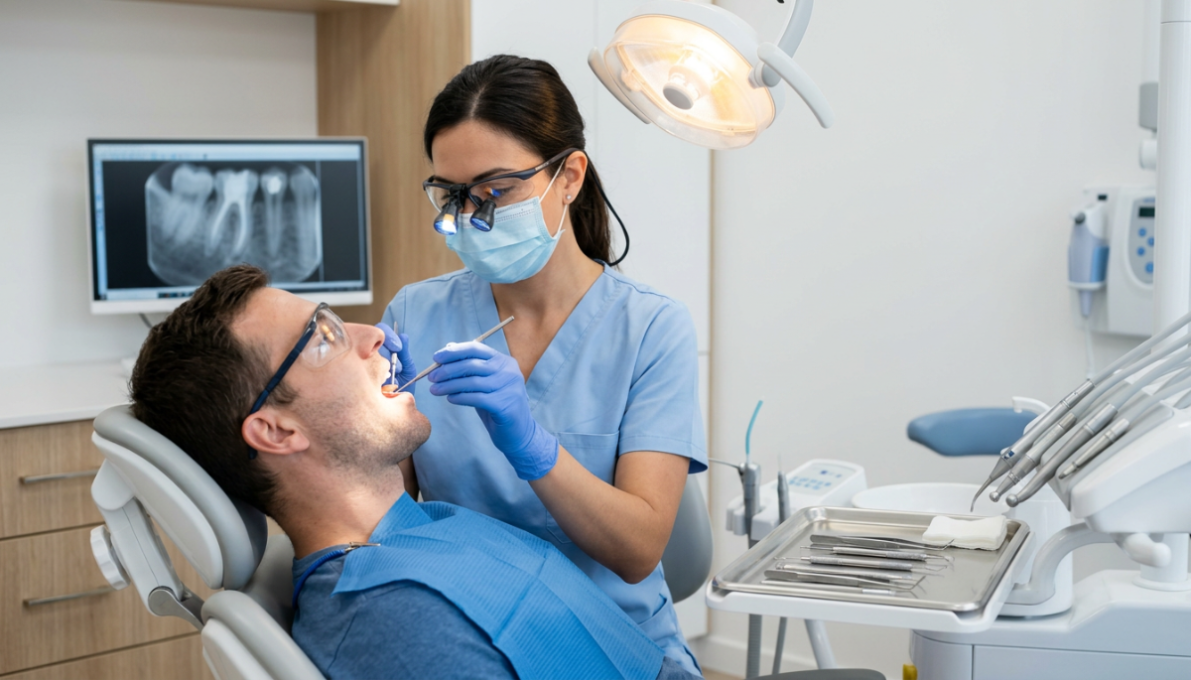
Fluoride in toothpaste is a mineral compound added to strengthen tooth enamel and prevent cavities by promoting remineralization and disrupting the acid production of decay-causing bacteria. Most over-the-counter toothpastes contain between 1,000 and 1,500 parts per million (ppm) of fluoride. Used correctly, it remains one of the most effective and well-studied tools in modern preventive dentistry.
Why Fluoride Became a Standard in Dental Care
Tooth decay used to be one of the most common chronic conditions worldwide, and for decades dentists searched for a practical, low-cost way to reduce it at a population level. Fluoride toothpaste emerged as part of that answer, alongside community water fluoridation programs.
The World Health Organization lists dental caries among the most prevalent noncommunicable conditions globally, affecting nearly half the world’s population according to the World Health Organization. That scale is exactly why a small, inexpensive addition to daily brushing routines has had such an outsized public health impact.
Fluoride works by two main mechanisms. First, it helps rebuild (remineralize) weakened areas of enamel before they progress into cavities. Second, it interferes with the metabolism of oral bacteria, reducing the acid they produce after sugar and starch consumption. This dual action is why dental professionals continue to recommend it as a first-line defense against tooth decay.
How Fluoride Actually Protects Your Teeth
Enamel is constantly cycling through demineralization and remineralization every time you eat or drink something acidic. Fluoride toothpaste shifts that balance in your favor.
When fluoride ions come into contact with weakened enamel, they combine with calcium and phosphate to form fluorapatite, a mineral structure that’s more resistant to acid than the enamel’s natural hydroxyapatite. In practice, this means small, early-stage lesions can sometimes be reversed before a cavity ever forms—something a filling can’t do.
Fluoride toothpaste is not a substitute for reducing sugar intake or brushing technique—it works best as one layer of a broader prevention strategy that includes diet, brushing frequency, and regular dental visits.
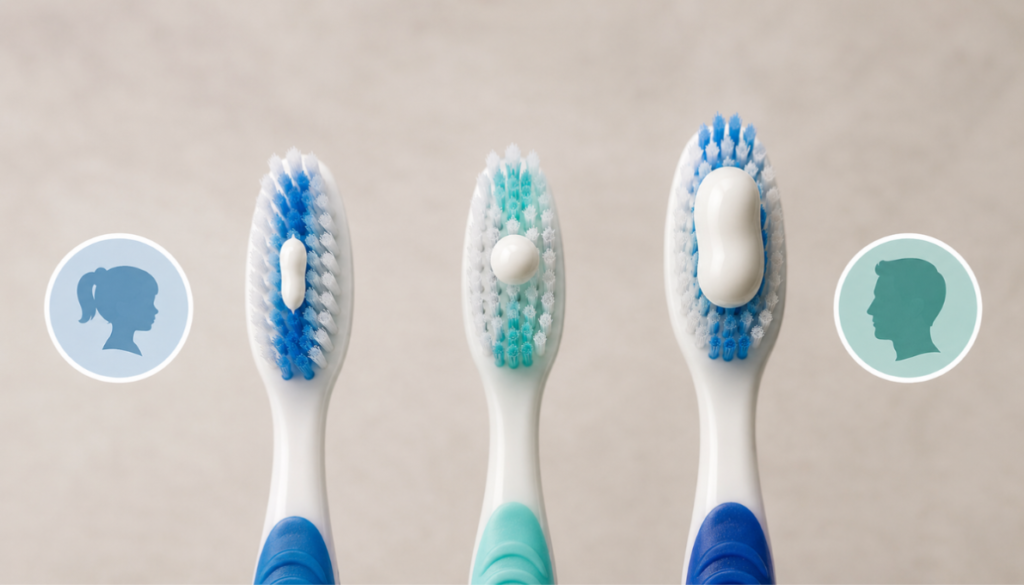
Fluoride Concentration by Age Group
Not every fluoride toothpaste is formulated the same way, and the right concentration depends heavily on age. The American Dental Association and pediatric dentistry guidelines outline specific recommendations to balance cavity protection against the risk of fluorosis in young children.
| Age Group | Recommended Fluoride Amount | Toothpaste Amount |
|---|---|---|
| Under 3 years | Fluoride toothpaste (1,000 ppm) | Rice-grain-sized smear |
| 3 to 6 years | Fluoride toothpaste (1,000–1,500 ppm) | Pea-sized amount |
| 6+ years (adults) | Standard OTC toothpaste | 1,000–1,500 ppm, full-length strip |
| High cavity risk (adults) | Prescription toothpaste | Up to 5,000 ppm, dentist-supervised |
This staged approach reflects a simple principle: young children swallow more toothpaste than they spit out, so lower concentrations and smaller amounts reduce total fluoride exposure while still delivering protective benefits.
Read also: “Dental Crown Procedure: Complete Guide & Care Tips“
Fluorosis and Other Safety Considerations
Dental fluorosis is the most commonly cited concern related to fluoride toothpaste, particularly for children under six. It occurs when a child ingests excess fluoride during the years teeth are still forming under the gums, leading to white spots or streaking on the enamel of permanent teeth once they erupt.
Quick fact: Mild fluorosis is a cosmetic concern, not a health risk—it does not weaken teeth or cause pain. Moderate to severe fluorosis is uncommon in countries with regulated fluoride levels in toothpaste and water.
The Centers for Disease Control and Prevention notes that fluorosis risk is closely tied to swallowing toothpaste repeatedly during the early tooth-development years, according to the CDC. This is why supervision during brushing matters more than the toothpaste formula itself for children in this age range.
Beyond fluorosis, acute fluoride toxicity from toothpaste is exceedingly rare and typically requires ingesting far more than a normal brushing amount in one sitting—something more relevant to accidental ingestion of an entire tube than to routine use.

How to Use Fluoride Toothpaste Safely
Getting the benefits of fluoride while minimizing unnecessary exposure comes down to a few consistent habits, particularly for households with young children.
- Start brushing as soon as the first tooth erupts, using the age-appropriate amount described above.
- Supervise brushing until around age 6 or 7, or until the child can reliably spit rather than swallow.
- Brush twice daily for two minutes, focusing on all tooth surfaces rather than rushing the routine.
- Avoid flavored toothpaste marketed to children if it tends to encourage swallowing—texture and taste matter more to toddlers than adults realize.
- Store toothpaste out of reach, since a full tube can pose a genuine ingestion risk if a young child eats it unsupervised.
Fluoride-Free Alternatives: What the Evidence Shows
Some consumers choose fluoride-free toothpaste due to personal preference, specific medical guidance, or concerns they’ve encountered online. Hydroxyapatite toothpaste has gained attention as an alternative, working by directly depositing minerals onto enamel surfaces rather than relying on the fluorapatite conversion process.
Current research on hydroxyapatite is promising but considerably less extensive than the decades of clinical data supporting fluoride, which remains the most thoroughly studied cavity-prevention ingredient available in over-the-counter oral care, according to sources indexed on PubMed. For most people without a specific medical reason to avoid fluoride, dental associations continue to recommend it as the primary standard of care.
Fluoride-free toothpaste is a legitimate choice for specific situations, but it is not automatically equivalent in cavity-prevention strength—the decision should weigh individual risk factors like cavity history, diet, and access to dental care.
Common Myths About Fluoride Toothpaste
A lot of confusion around fluoride comes from mixing up different exposure sources—toothpaste, tap water, and industrial fluoride compounds are not interchangeable in terms of dose or risk.
One frequent myth is that swallowing any amount of fluoride toothpaste is dangerous; in reality, the small quantities involved in normal brushing, even when swallowed occasionally, fall well below toxic thresholds for children and adults alike. Another misconception treats fluorosis as equivalent to fluoride poisoning, when the two are clinically distinct—one is a cosmetic enamel change, the other a rare acute toxicity event requiring much larger doses. Separating these categories helps put the actual risk profile of daily toothpaste use in proper perspective.
Read also: “Mouthwash Benefits: What Really Works for Teeth“
Choosing the Right Fluoride Toothpaste
For most adults without dental complications, a standard 1,000–1,500 ppm fluoride toothpaste covers routine cavity prevention needs. Adults with a history of frequent cavities, dry mouth, or orthodontic appliances may benefit from a prescription-strength option discussed directly with their dentist, since higher concentrations require professional guidance rather than casual over-the-counter selection.
For children, the age-based table above remains the most reliable starting point, adjusted as needed based on a pediatric dentist’s assessment of individual risk.
Fluoride in toothpaste remains one of the most researched and consistently effective tools for preventing tooth decay, working through remineralization and bacterial disruption rather than surface-level whitening or flavor. The main safety consideration — fluorosis — is manageable through age-appropriate amounts and supervised brushing rather than avoidance altogether. Whether you stick with standard fluoride toothpaste or explore alternatives like hydroxyapatite, understanding how the ingredient actually works makes it easier to make an informed choice for your own routine or your child’s. If you found this breakdown useful, consider sharing it with someone navigating toothpaste choices for their family.
Important disclaimers
The information in this article is for educational purposes only and does not replace the evaluation or guidance of a qualified healthcare professional. Always consult a dentist or physician before making decisions about your treatment, diagnosis, or your child’s oral care routine.
Frequently Asked Questions
Is fluoride toothpaste safe for babies?
Yes, once the first tooth erupts, a rice-grain-sized smear of fluoride toothpaste is generally recommended and considered safe when used under adult supervision to prevent swallowing.
Can fluoride toothpaste cause cancer?
No credible scientific evidence links fluoride toothpaste use to cancer risk; this claim has been extensively studied and is not supported by major health organizations.
What happens if a child swallows fluoride toothpaste?
Swallowing a small amount during normal brushing is not typically dangerous, but repeated ingestion over time during tooth development can contribute to mild dental fluorosis. Swallowing a large amount, such as most of a tube, warrants contacting poison control as a precaution.
Is fluoride-free toothpaste as effective as fluoride toothpaste?
Fluoride-free options like hydroxyapatite show promising results, but fluoride has significantly more long-term clinical research supporting its cavity-prevention effectiveness for the general population.
How much fluoride toothpaste should adults use?
Adults should use a full-length strip of standard fluoride toothpaste (1,000–1,500 ppm) for each brushing session, twice daily, unless a dentist has prescribed a different concentration.
What is dental fluorosis, and is it dangerous?
Dental fluorosis is a cosmetic change in tooth enamel appearance caused by excess fluoride exposure during tooth formation; mild cases are harmless and do not affect tooth strength or function.
Do I need fluoride toothpaste if my tap water is fluoridated?
Yes, fluoridated water and fluoride toothpaste work together rather than replacing each other, since toothpaste delivers fluoride directly to tooth surfaces during brushing in a way drinking water alone does not.

My relationship with health and wellness began on a personal level, looking for practical ways to improve my own routine: more movement, more mindful eating, and basic oral care habits that, over time, made a real difference in my quality of life. It was this ongoing process of learning — testing, researching, and adjusting — that motivated me to share what I learn with others on the same journey.