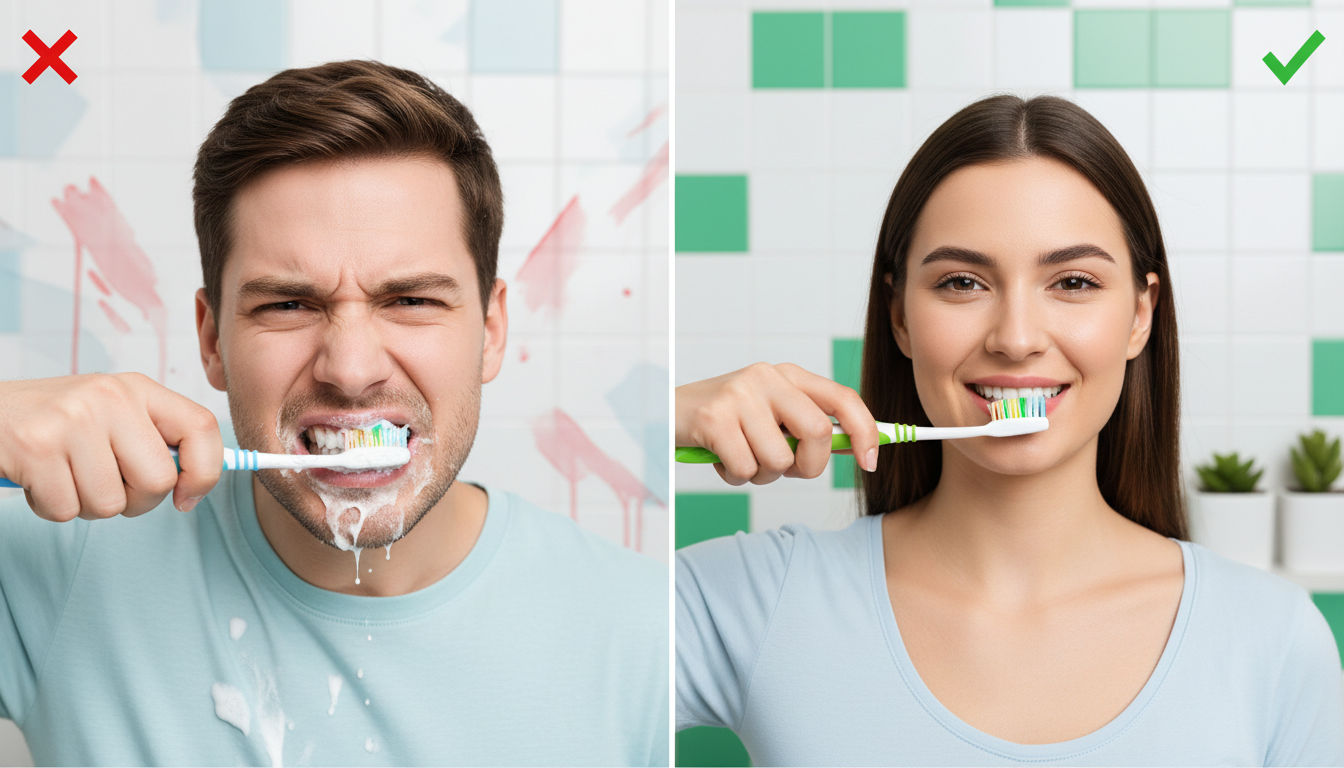
Dental floss effectiveness depends on consistent daily use and proper technique, not just the act of flossing itself. Research shows flossing removes plaque and food debris from between teeth that a toothbrush cannot reach, reducing gum inflammation when done correctly. Technique and frequency matter more than the specific type of floss you choose.
Most people have heard the advice “floss daily” for years, yet many still wonder whether it actually makes a measurable difference. Part of the confusion comes from mixed media coverage in recent years questioning whether flossing “works.” The reality is more nuanced: dental floss effectiveness has been studied extensively, and the evidence points to real benefits when flossing is done correctly and consistently, even though large, long-term clinical trials are harder to design than most people assume. According to the Centers for Disease Control and Prevention, nearly half of adults over 30 show signs of gum disease, a condition closely tied to plaque buildup between teeth. This article breaks down what the research actually says, where flossing helps most, common mistakes that quietly cancel out the benefits, and how to know if your routine is working.
What Does the Research Say About Dental Floss Effectiveness?
The debate around dental floss effectiveness often traces back to a 2016 review that found limited high-quality, long-term studies proving flossing prevents cavities on its own. That finding was frequently misreported as “flossing doesn’t work,” which oversimplifies the science.
What the research actually supports is more specific. Multiple studies published through the National Library of Medicine show that flossing combined with brushing reduces gum bleeding and plaque levels between teeth significantly more than brushing alone over periods of two to six months. The challenge is that gum disease and cavities develop over years, making it difficult and expensive to run trials long enough to capture those outcomes definitively.
In practice, dentists rely on a large body of shorter-term evidence, clinical experience, and biological plausibility: plaque left between teeth calcifies into tartar, tartar irritates gums, and irritated gums progress toward periodontal disease. Removing that plaque daily interrupts the process at its earliest, most reversible stage.
Dental floss effectiveness is best measured by its impact on interproximal plaque and gum inflammation, not solely on cavity prevention — a distinction that gets lost in most headlines about flossing.
How Flossing Removes What a Toothbrush Cannot Reach
A toothbrush, no matter how advanced, cleans roughly 60% of a tooth’s surface. The remaining 40% sits in the tight contact points between teeth, an area bristles simply cannot access effectively.
This is where flossing effectiveness becomes clear on a mechanical level. When floss is guided between teeth and curved against each tooth’s surface, it physically scrapes away the soft, sticky biofilm of bacteria (plaque) before it hardens. Once plaque mineralizes into tartar, only a professional cleaning can remove it, which is why daily disruption of that biofilm matters more than any other single factor in interdental hygiene.
The American Dental Association notes that this daily mechanical disruption, done correctly, is the primary defense against gingivitis in the spaces between teeth — an area brushing alone consistently misses.
Read also: “Tooth Extraction Recovery: Timeline, Care & Tips“
Common Flossing Mistakes That Reduce Effectiveness
Most complaints about flossing “not working” trace back to technique, not the tool itself. On practice, dental hygienists consistently point to the same handful of errors.
- Snapping the floss between teeth instead of gently sliding it down, which can injure gum tissue without cleaning the surface properly.
- Skipping the curve — failing to bend the floss into a C-shape against each tooth means it only passes through the contact point without scraping the sides.
- Flossing too fast, spending less than a second per tooth, which leaves plaque behind at the gumline.
- Reusing the same section of floss across multiple teeth, transferring bacteria instead of removing it.
- Flossing only occasionally, since plaque begins reforming within 24 hours, meaning inconsistent flossing rarely allows benefits to accumulate.
Quick tip: Aim for roughly 18 inches of floss, using a fresh section every two to three teeth, and take at least 5–10 seconds per gap to properly hug the curve of each tooth.

Floss vs. Water Flossers vs. Interdental Brushes
Not everyone finds traditional string floss comfortable or easy to use, especially with braces, bridges, or limited hand mobility. Comparing the main interdental cleaning tools side by side helps clarify which option fits different needs.
| Tool | Plaque Removal (Interdental) | Ease of Use | Best For | Approximate Cost |
|---|---|---|---|---|
| String Floss | High, when technique is correct | Moderate (requires practice) | Tight contact points, general use | Low |
| Water Flosser | Moderate to high | High | Braces, implants, limited dexterity | Moderate to high (device) |
| Interdental Brushes | High, for larger gaps | High | Wider gaps, periodontal patients | Low to moderate |
No single tool is universally “best.” Someone with tightly spaced teeth generally gets more thorough plaque removal from string floss, while someone with braces or wider gum recession often sees better results with a water flosser or interdental brush, according to guidance frequently cited by the Mayo Clinic. The right choice is the one a person will actually use every day.
Does the Type of Floss Matter?
Waxed, unwaxed, flavored, tape, and PTFE (glide-style) floss all remove plaque effectively when used correctly — the coating mainly affects comfort and how easily the floss slides between tight teeth.
Waxed floss tends to glide more smoothly and resist shredding in narrow contact points, making it a common recommendation for beginners. Unwaxed floss offers slightly more friction, which some people find gives a more thorough “squeak clean” feel against the tooth surface, though the actual plaque removal difference is minimal. Dental tape, which is wider and flatter, works well for people with larger gaps between teeth, while PTFE floss is popular for its resistance to fraying around tight or rough contact points.
The practical takeaway: the material matters far less than whether a person actually uses it daily and with correct technique.

How Often and When Should You Floss for Best Results
Flossing once daily is the standard recommendation from dental professionals, and timing matters less than consistency. Flossing before or after brushing both work, as long as it happens every day, since plaque reforms continuously and benefits come from regularly interrupting that cycle rather than from a single perfect session.
Many people find flossing at night more effective simply because food particles have accumulated throughout the day, and clearing them before sleep prevents bacteria from feeding on trapped debris for eight uninterrupted hours. That said, someone who reliably flosses each morning will see far better results than someone who only manages an inconsistent nighttime routine.
Read also: “Fluoride in Toothpaste: Benefits & Safety Explained“
Signs Your Flossing Routine Isn’t Working
Bleeding gums during flossing are often misread as a sign to stop, when in most cases they signal inflamed tissue that needs more consistent cleaning, not less. Persistent bleeding beyond the first one to two weeks of a renewed flossing habit, ongoing bad breath, or visible tartar buildup near the gumline can indicate that either technique needs adjustment or that a professional cleaning is overdue. Floss that consistently shreds or gets stuck in the same spot may also point to a cavity or damaged filling worth having checked.
Dental floss effectiveness comes down to consistency and correct technique far more than the specific product used. The evidence consistently shows that daily interdental cleaning reduces plaque and gum inflammation in areas a toothbrush cannot reach, even if long-term cavity-prevention data remains harder to isolate in clinical trials. Whether the tool of choice is string floss, a water flosser, or interdental brushes, the daily habit itself is what drives real results over time. Building that habit correctly, even for just a few extra seconds per tooth, tends to make the biggest difference in gum health long term.
IMPORTANT DISCLAIMERS
Health Disclaimer: The information in this article is provided for general educational purposes only and does not substitute for professional dental advice, diagnosis, or treatment. Always consult a licensed dentist or dental hygienist regarding your specific oral health needs or before changing your dental care routine.
Frequently Asked Questions
Does flossing actually prevent cavities?
Flossing primarily targets plaque and gum inflammation between teeth rather than cavities on chewing surfaces. It contributes to overall oral health by removing bacteria that can eventually contribute to decay near contact points, but it works best as part of a full routine that includes brushing and regular dental checkups.
Is it better to floss before or after brushing?
Either order works, as long as flossing happens daily. Some evidence suggests flossing before brushing may allow fluoride from toothpaste to reach between teeth more effectively, but consistency matters far more than the specific sequence.
Why do my gums bleed when I floss?
Bleeding usually indicates gum inflammation caused by plaque buildup, not damage from the floss itself. In most cases, bleeding decreases within one to two weeks of consistent, gentle daily flossing; if it persists longer, a dental checkup is recommended.
Are water flossers as effective as string floss?
Water flossers can be highly effective, particularly for people with braces, dental implants, or limited hand dexterity, though string floss often removes plaque more thoroughly in tightly spaced teeth when used with correct technique.
How long should flossing take each day?
A thorough flossing session typically takes two to three minutes, spending five to ten seconds per tooth gap to properly curve the floss against each tooth surface.
Can flossing damage your gums or teeth?
Improper technique, such as snapping floss forcefully between teeth, can injure gum tissue, but gentle, correct flossing does not damage healthy teeth or gums. Any persistent discomfort should be evaluated by a dental professional.
Does the brand or type of floss matter for effectiveness?
The material, whether waxed, unwaxed, or tape, mainly affects comfort and glide rather than plaque-removal effectiveness. Choosing a type that feels comfortable enough to use every day matters more than the specific brand or coating.

My relationship with health and wellness began on a personal level, looking for practical ways to improve my own routine: more movement, more mindful eating, and basic oral care habits that, over time, made a real difference in my quality of life. It was this ongoing process of learning — testing, researching, and adjusting — that motivated me to share what I learn with others on the same journey.