

Bad breath, or halitosis, occurs when bacteria in your mouth produce sulfur compounds that create unpleasant odors. The most common causes are poor oral hygiene, food debris, dry mouth, and gum disease. Most cases improve with daily brushing, flossing, and staying hydrated—though persistent bad breath may signal an underlying health condition requiring professional evaluation.
There’s nothing quite like the self-consciousness that comes with bad breath. You’re mid-conversation, and suddenly you’re wondering if the person across from you is noticing. Bad breath affects millions of people worldwide, and while it’s often embarrassing, the good news is that most cases are entirely preventable and treatable.
According to research published in the Journal of Clinical Dentistry, approximately 35-45% of the global population experiences halitosis to some degree—making it one of the most common oral health concerns. Yet despite how prevalent it is, many people don’t understand what actually causes it or how to fix it effectively.
In this guide, we’ll walk through the real culprits behind bad breath, explain why they happen, and give you practical, evidence-based solutions you can implement today. Whether your issue stems from something as simple as skipped flossing or something more complex, you’ll find answers here.
What Causes Bad Breath: The Science Behind the Smell
Bad breath doesn’t appear out of nowhere. It’s the result of specific biological processes happening in your mouth—and understanding those processes is the first step to fixing the problem.
How Bacteria Create Odor
Your mouth is home to hundreds of bacterial species. Most are harmless, but some produce volatile sulfur compounds (VSCs) as a byproduct of breaking down proteins in food debris, saliva, and dead cells. These sulfur compounds are what create that unpleasant smell.
Think of it like this: bacteria are essentially eating leftover food particles and cellular material in your mouth, and their “waste” is what smells bad. The more food debris and dead cells available, the more bacteria thrive, and the stronger the odor becomes.
This process happens naturally in everyone’s mouth, but it becomes noticeable when conditions favor bacterial overgrowth—which brings us to the specific causes.
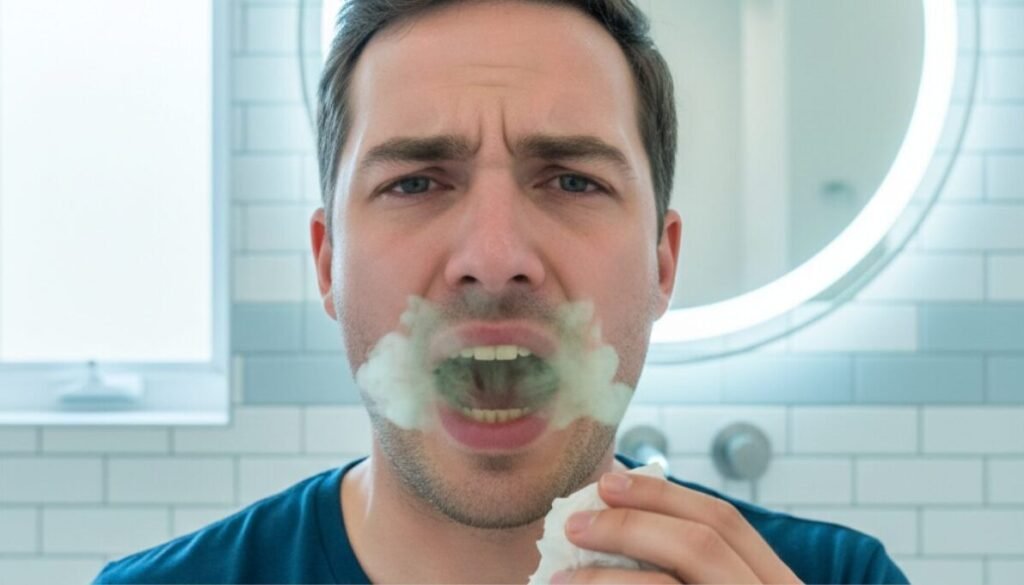
The Most Common Causes of Bad Breath
Poor Oral Hygiene
This is the #1 cause of bad breath. When you skip brushing or flossing, food particles and plaque accumulate on your teeth and gums. Bacteria colonize these areas and produce odor-causing compounds. Even missing flossing between just a few teeth can create enough debris to fuel bacterial growth.
The solution is straightforward: brush twice daily for two minutes, and floss at least once daily. If you’re currently skipping flossing, adding it to your routine will likely eliminate bad breath within days.
Gum Disease (Gingivitis and Periodontitis)
Gum disease is a more serious cause of bad breath. When plaque hardens into tartar, it irritates your gums, causing inflammation and bleeding. This creates pockets between your teeth and gums where bacteria thrive in an oxygen-poor environment—ideal conditions for odor production.
According to the American Academy of Periodontology, gum disease affects nearly half of American adults over 30. If your gums bleed when you brush or floss, or if you have persistent bad breath despite good oral hygiene, gum disease may be the culprit. This requires professional treatment from a dentist or periodontist.
Read also: “Gum Disease Treatment: Complete Guide to Healthy Gums“
Dry Mouth (Xerostomia)
Saliva is your mouth’s natural defense system. It washes away food debris, neutralizes acids, and controls bacterial growth. When your mouth is dry—whether from dehydration, certain medications, or conditions like Sjögren’s syndrome—bacteria multiply unchecked.
Dry mouth is particularly common in people taking antihistamines, antidepressants, or blood pressure medications. If you suspect dry mouth is your issue, increase water intake, chew sugar-free gum to stimulate saliva, and discuss your medications with your doctor.
Food and Beverages
Certain foods create bad breath both during digestion and immediately after eating. Garlic, onions, and spices contain sulfur compounds that enter your bloodstream and are exhaled through your lungs—no amount of brushing will eliminate this until the food is fully digested (typically 24-72 hours).
Acidic beverages like coffee, wine, and soda also create an environment where odor-producing bacteria thrive. If you consume these regularly, rinse your mouth with water afterward.
Tongue Buildup
Your tongue harbors more bacteria than your teeth. A white or yellowish coating on your tongue indicates bacterial and fungal buildup. Many people brush their teeth but never clean their tongue, missing a major source of odor.
Gently brush or scrape your tongue daily—this alone can dramatically reduce bad breath.
Mouth Infections and Oral Thrush
Bacterial or fungal infections in your mouth create distinctive odors. Oral thrush (a yeast infection) appears as white patches and causes a musty smell. Mouth ulcers and infections also produce odor as the body fights the infection.
These conditions require professional diagnosis and treatment.
Postnasal Drip and Sinus Issues
When mucus drips down the back of your throat, it deposits bacteria-feeding material in your mouth and throat. This is why people with chronic sinus infections or allergies often experience bad breath. Treating the underlying sinus issue typically resolves the odor.
Smoking and Tobacco Use
Smoking dries your mouth, stains your teeth, and leaves a persistent odor that lingers in your mouth and on your breath. Tobacco also increases your risk of gum disease, compounding the problem.
Systemic Health Conditions
In rare cases, bad breath signals an underlying health issue. Diabetes, liver disease, kidney disease, and respiratory infections can all cause distinctive mouth odors. If you’ve ruled out oral causes and bad breath persists, consult a doctor.
Quick Reference: Bad Breath Causes and Solutions
| Cause | Primary Symptom | Quick Fix | Timeline |
|---|---|---|---|
| Poor oral hygiene | Visible plaque; bleeding gums | Add daily flossing | 3-7 days |
| Gum disease | Swollen, bleeding gums; persistent odor | Professional cleaning + improved hygiene | 2-4 weeks |
| Dry mouth | Sticky mouth; white tongue | Increase water; sugar-free gum | 1-3 days |
| Food/beverages | Temporary odor after eating | Rinse mouth; wait for digestion | 24-72 hours |
| Tongue buildup | White/yellow coating | Daily tongue brushing/scraping | 2-5 days |
| Mouth infection | Pain; white patches; swelling | Professional treatment | 1-2 weeks |
| Sinus issues | Postnasal drip; throat clearing | Treat underlying condition | Varies |
| Smoking | Persistent odor; stained teeth | Quit smoking | Weeks to months |
| Systemic condition | Bad breath + other symptoms | Medical evaluation | Depends on condition |
How to Fix Bad Breath: Evidence-Based Solutions
Step 1: Establish a Proper Oral Hygiene Routine
This is non-negotiable. A solid routine prevents 80% of bad breath cases.
Daily brushing: Use a soft-bristled toothbrush and fluoride toothpaste. Brush for a full two minutes, covering all surfaces—front, back, and chewing surfaces of your teeth. Many people brush for only 30-45 seconds, which isn’t enough to remove plaque effectively.
Daily flossing: Floss at least once daily, ideally before bed. Floss removes food and plaque from between teeth where your toothbrush can’t reach. This is where odor-producing bacteria thrive.
Tongue cleaning: Brush or scrape your tongue gently each morning. This removes the bacterial biofilm that accumulates overnight.
Mouthwash: Use an antimicrobial mouthwash after brushing—but don’t rely on it as your primary tool. Mouthwash masks odor temporarily but doesn’t address the underlying cause. Look for products containing chlorhexidine or cetylpyridinium chloride, which actually reduce odor-causing bacteria.
Step 2: Stay Hydrated
Drink plenty of water throughout the day. Aim for at least 8 glasses daily, more if you exercise or live in a dry climate. Water washes away food debris and keeps your mouth moist, creating an environment where odor-producing bacteria struggle to thrive.
If you have dry mouth specifically, chew sugar-free gum or suck on sugar-free lozenges to stimulate saliva production. Xylitol-based products are particularly effective because xylitol also inhibits bacterial growth.
Step 3: Modify Your Diet
Reduce odor-causing foods: Garlic, onions, and spices will create bad breath temporarily no matter what you do. If you eat these, brush your teeth and tongue afterward, and drink plenty of water.
Limit acidic beverages: Coffee, wine, and soda create an acidic environment where bacteria thrive. Drink these with meals rather than sipping throughout the day, and rinse your mouth with water afterward.
Eat crunchy fruits and vegetables: Apples, carrots, and celery naturally clean your teeth and stimulate saliva production. They’re particularly helpful if you can’t brush immediately after eating.
Avoid skipping meals: Fasting creates an acidic mouth environment. Eat regular meals to maintain stable pH and saliva production.
Step 4: Quit Smoking and Tobacco Use
If you smoke, quitting is one of the most impactful changes you can make for your breath—and your overall health. Within days of quitting, your mouth will feel fresher. Within weeks, the persistent tobacco odor will fade.
Step 5: See a Dentist Regularly
Visit your dentist every six months for a professional cleaning and checkup. A dentist can identify gum disease, infections, and other oral issues that cause bad breath. Professional cleanings remove tartar buildup that brushing alone can’t eliminate.
If you have gum disease, you may need more frequent cleanings (every 3-4 months) until the condition improves.
Step 6: Address Underlying Health Issues
If bad breath persists despite excellent oral hygiene, see your doctor. Persistent bad breath can signal sinus infections, diabetes, liver disease, or other systemic conditions. A medical evaluation can rule out these possibilities.
Read also: “Best Electric Toothbrush 2026: Top 5 Models for Optimal Dental Care”
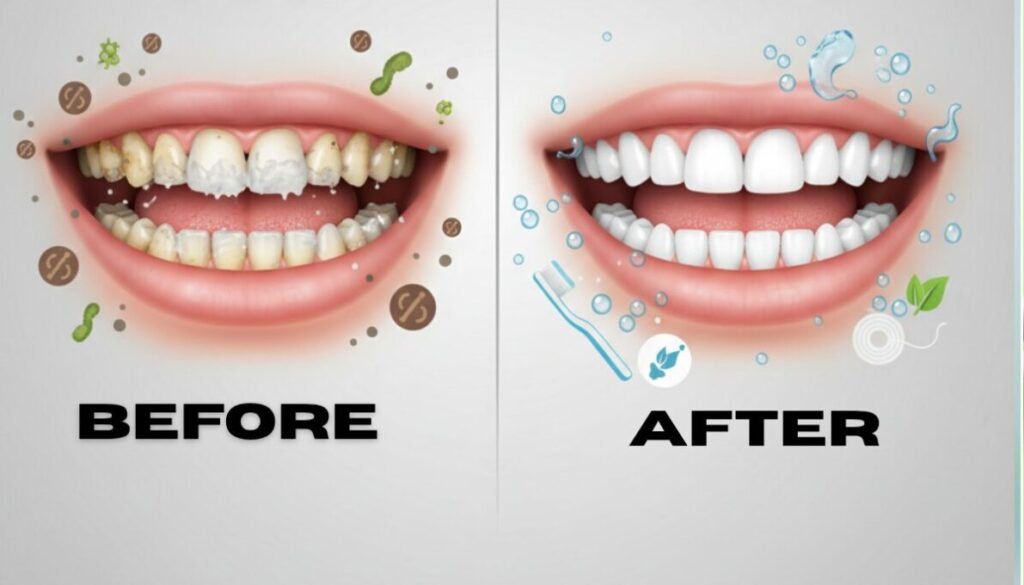
When to See a Professional
You should see a dentist if:
- Your bad breath persists despite good oral hygiene for more than two weeks
- Your gums bleed, swell, or are tender
- You have visible plaque or tartar buildup
- You notice white patches or sores in your mouth
- You have a persistent bad taste in your mouth
You should see a doctor if:
- Bad breath is accompanied by other symptoms (fatigue, weight loss, persistent cough)
- You have diabetes or another chronic condition and develop bad breath
- Bad breath develops suddenly without an obvious cause
Bad breath is common, but it’s also highly treatable. In most cases, the solution is straightforward: improve your oral hygiene, stay hydrated, and address any dietary or lifestyle factors. Within days to weeks, you’ll likely notice a significant improvement.
For persistent cases, professional evaluation from a dentist or doctor can identify underlying causes and guide you toward the right treatment. The key is taking action—bad breath won’t resolve on its own, but with the strategies outlined here, you can eliminate it and regain your confidence in conversation.
IMPORTANT DISCLAIMERS
The information in this article is educational and informative in nature and does not replace professional medical or dental advice. Bad breath can occasionally indicate an underlying health condition requiring professional evaluation. Always consult a dentist or doctor before making decisions about your oral health or if bad breath persists despite home care. Individual results vary, and what works for one person may not work for another.
Frequently Asked Questions
What is the fastest way to get rid of bad breath?
The fastest solution is improving your oral hygiene immediately: brush your teeth and tongue thoroughly, floss, and rinse with mouthwash. For food-related odors, drink water and wait for digestion. If bad breath is caused by poor hygiene, you’ll see improvement within 3-7 days of establishing a consistent routine.
Can bad breath be a sign of a serious health problem?
In rare cases, yes. While most bad breath is caused by oral hygiene issues, persistent bad breath can signal sinus infections, diabetes, liver disease, kidney disease, or respiratory infections. If bad breath persists despite excellent oral hygiene, see a doctor for evaluation.
Does mouthwash cure bad breath?
Mouthwash temporarily masks odor but doesn’t address the underlying cause. It’s a useful supplement to brushing and flossing, not a replacement. Antimicrobial mouthwashes that contain chlorhexidine or cetylpyridinium chloride are more effective than alcohol-based rinses.
How long does it take to fix bad breath?
This depends on the cause. If bad breath is from poor hygiene, you’ll see improvement within 3-7 days of establishing a proper routine. If it’s caused by gum disease, professional treatment and improved hygiene may take 2-4 weeks. If it’s related to a systemic health condition, timeline varies depending on the underlying issue.
Can dry mouth cause bad breath?
Yes. Saliva controls bacterial growth, so dry mouth creates an environment where odor-producing bacteria thrive. Increase water intake, chew sugar-free gum, and discuss any medications that might be causing dryness with your doctor.
Is bad breath from my stomach or my mouth?
Bad breath originates in your mouth, not your stomach. While digestive issues can contribute to odor (like acid reflux), the primary source is bacteria in your mouth. Improving oral hygiene addresses the root cause.
Does tongue coating cause bad breath?
Yes. A white or yellowish coating on your tongue indicates bacterial and fungal buildup. Daily gentle brushing or scraping of your tongue can significantly reduce bad breath. Many people overlook tongue cleaning, which is why this simple step often solves the problem.