Lowering cholesterol naturally means using diet, exercise, weight management, and other lifestyle habits — rather than medication alone — to reduce LDL (“bad”) cholesterol and raise HDL (“good”) cholesterol. Cutting saturated fat, adding soluble fiber, and staying physically active can lower LDL by 10-30% within weeks. These changes work best when combined consistently over time.
Cholesterol rarely announces itself. There’s no ache, no warning sign — just a number on a lab report that quietly predicts your risk of heart attack and stroke years down the road. That’s exactly why so many people search for how to lower cholesterol naturally: they want a real answer before reaching for a prescription, or alongside one.
The scale of the problem is bigger than most people realize. According to the CDC, roughly 86 million American adults aged 20 and older have total cholesterol levels at or above 200 mg/dL, and nearly half of adults with high LDL cholesterol are not receiving any treatment for it. High cholesterol has no symptoms, which means it often goes unmanaged for years while silently damaging blood vessels.
The encouraging part is that cholesterol responds remarkably well to lifestyle change. Unlike many chronic conditions, LDL levels can shift measurably within just four to six weeks of consistent dietary adjustment. This article walks through exactly which foods, habits, and daily routines make the biggest difference — backed by data, not guesswork.
What Cholesterol Actually Is (and Why the Numbers Matter)
Cholesterol is a waxy, fat-like substance your liver produces naturally and that also arrives through certain foods. Your body needs it to build cell membranes, produce hormones, and make vitamin D. The problem isn’t cholesterol itself — it’s the type and the amount circulating in your blood.
LDL vs. HDL: The Good, the Bad, and the Numbers
Cholesterol travels through the bloodstream attached to proteins called lipoproteins, and the two that matter most have very different jobs.
LDL (low-density lipoprotein) carries cholesterol to your arteries, where excess amounts build up into plaque. This is why it’s called “bad” cholesterol — high LDL is directly linked to atherosclerosis and cardiovascular disease.
HDL (high-density lipoprotein) does the opposite: it collects excess cholesterol from the bloodstream and carries it back to the liver for removal. Higher HDL levels are protective, which is why it’s nicknamed “good” cholesterol.
A third figure, triglycerides, measures a different type of fat in the blood. Elevated triglycerides combined with high LDL and low HDL significantly compound cardiovascular risk.
Quick Tip: A single cholesterol number rarely tells the full story. Your doctor evaluates the ratio between LDL, HDL, and triglycerides — not just the total — to assess real risk.
What Counts as “High” Cholesterol
For most adults, the American Heart Association considers total cholesterol under 200 mg/dL desirable, with LDL ideally below 100 mg/dL and HDL above 60 mg/dL offering the best protection. Levels above these thresholds don’t guarantee a heart attack is coming, but they do raise the odds significantly over a lifetime, especially when combined with other risk factors like high blood pressure, smoking, or family history.
The Diet Changes That Move the Needle Most
Diet is where natural cholesterol management delivers the fastest, most measurable results. Not every food swap matters equally, though — some changes affect LDL far more than others.
Cut Back on Saturated and Trans Fats
Saturated fat, found in red meat, butter, cheese, and many baked goods, prompts the liver to produce more LDL cholesterol than it otherwise would. Trans fats — largely found in partially hydrogenated oils and some fried or processed foods — are even worse, simultaneously raising LDL and lowering HDL.
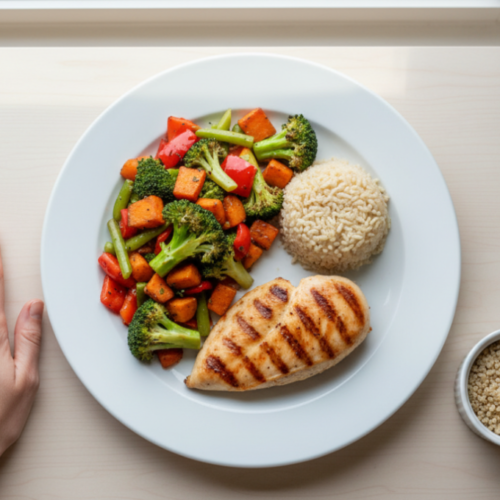
Replacing saturated fat with unsaturated fat (olive oil, avocado, nuts) has been shown in multiple studies to lower LDL more effectively than simply removing fat altogether. The Mayo Clinic notes that reducing saturated fat intake to under 6% of total daily calories can lower LDL cholesterol by 8-10%.
Add Soluble Fiber to Every Meal
Soluble fiber binds to cholesterol particles in the digestive tract and carries them out of the body before they’re absorbed into the bloodstream. This is one of the most consistently proven natural strategies for lowering LDL.
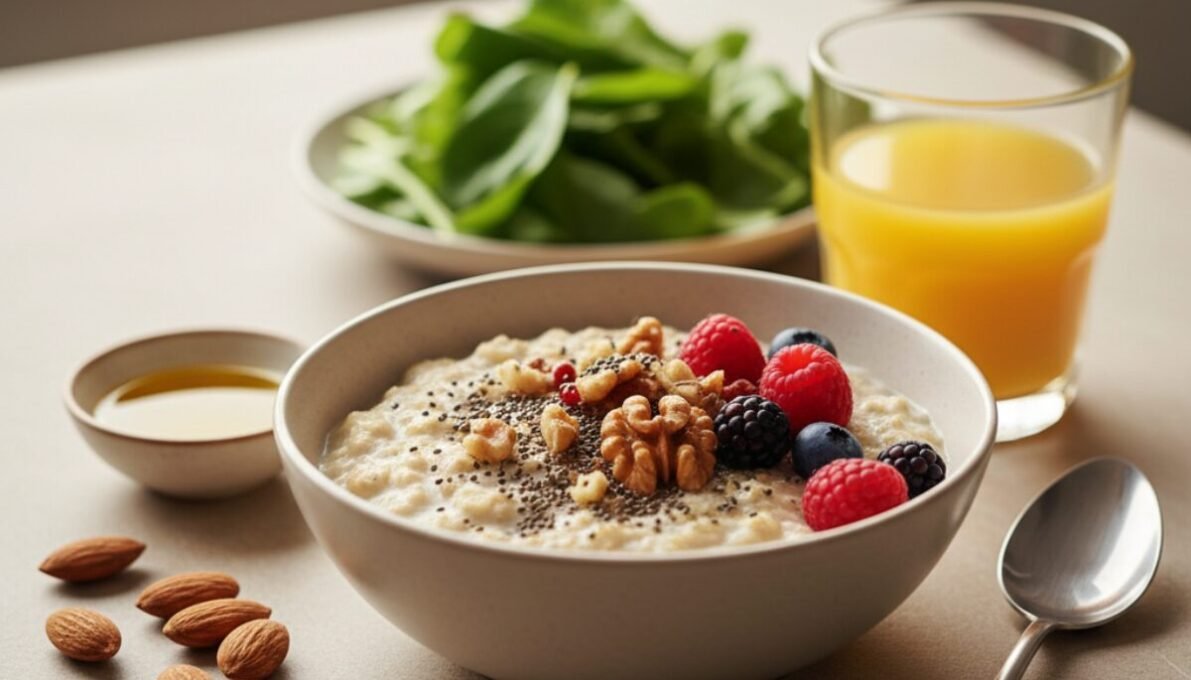
Oats, barley, beans, lentils, apples, and citrus fruits are among the richest sources. Just 5 to 10 grams of soluble fiber daily — roughly one and a half bowls of oatmeal — can lower LDL cholesterol by 5-10% within a couple of months.
Soluble fiber lowers cholesterol by physically trapping bile acids made from cholesterol, forcing the liver to pull more cholesterol from the blood to make new bile acids. That single mechanism explains why fiber-rich diets consistently outperform low-fat diets alone in clinical trials.
Choose Healthy Fats: Omega-3s and Unsaturated Fats
Not all fat raises cholesterol — some actively improves the ratio. Omega-3 fatty acids, found in fatty fish like salmon, mackerel, and sardines, don’t lower LDL dramatically but reduce triglycerides and support overall cardiovascular health. Monounsaturated fats from olive oil, avocados, and nuts help lower LDL while maintaining or raising HDL.
Foods That Actively Lower LDL
A handful of specific foods contain compounds that directly interfere with cholesterol absorption or production:
- Plant sterols and stanols, found in fortified foods like certain margarines and orange juices, block cholesterol absorption in the intestine.
- Soy protein, from tofu, edamame, and soy milk, modestly lowers LDL when it replaces animal protein in the diet.
- Nuts, especially almonds and walnuts, reduce LDL through a combination of unsaturated fats, fiber, and plant sterols.
- Fatty fish, eaten twice weekly, improves the overall lipid profile through omega-3 content.
| Food or Nutrient | Primary Effect | Typical LDL Reduction |
|---|---|---|
| Soluble fiber (oats, beans, barley) | Blocks cholesterol absorption | 5-10% |
| Plant sterols/stanols | Blocks intestinal absorption | 6-15% |
| Soy protein | Modest LDL reduction | 3-5% |
| Nuts (almonds, walnuts) | Fiber + healthy fats | 5-7% |
| Fatty fish (omega-3s) | Lowers triglycerides | Variable, minimal LDL effect |
| Reducing saturated fat | Lowers LDL production | 8-10% |

Lifestyle Changes Beyond the Plate
Diet drives most of the conversation, but daily habits outside the kitchen carry real weight too.
Exercise and Cholesterol
Regular aerobic activity raises HDL cholesterol and, when paired with weight loss, can lower LDL as well. The effect is dose-dependent: 150 minutes of moderate exercise per week (brisk walking, cycling, swimming) produces measurable improvements, while more vigorous or longer sessions tend to raise HDL further.
Weight Loss Impact
Even modest weight loss — 5 to 10% of body weight — improves the entire lipid panel: lower LDL, lower triglycerides, and higher HDL. This happens because excess visceral fat interferes with how the liver processes cholesterol and triglycerides.
Quitting Smoking
Smoking damages blood vessel walls and lowers HDL cholesterol. Within roughly 20 minutes of quitting, heart rate and blood pressure begin to normalize, and HDL levels can rise measurably within weeks. This is one of the fastest lifestyle interventions with a direct cholesterol benefit.
Alcohol in Moderation
Moderate alcohol consumption has occasionally been associated with modestly higher HDL, but excessive intake raises triglycerides and blood pressure, offsetting any potential benefit. Health authorities do not recommend starting to drink for cholesterol purposes.
Stress and Sleep
Chronic stress and poor sleep are linked to elevated LDL and triglycerides, likely through cortisol’s effect on fat metabolism. Prioritizing 7-9 hours of sleep and using stress management techniques (exercise, mindfulness, adequate downtime) supports the same metabolic pathways that diet and exercise target.
Read also: “Sleep Hygiene Tips: 12 Proven Ways to Sleep Better Tonight“
Five Steps to Start Lowering Cholesterol Naturally Today
- Swap one saturated fat source for an unsaturated one — trade butter for olive oil, or red meat for salmon, at least three times this week.
- Add a fiber-rich food to breakfast — oatmeal, chia seeds, or berries instead of refined cereal.
- Walk for 30 minutes daily — this alone begins raising HDL within a few weeks.
- Read nutrition labels for trans fat — anything listing “partially hydrogenated oil” should be avoided.
- Schedule a follow-up lipid panel in 8-12 weeks to measure real progress and adjust the approach.
Foods to Limit or Avoid
| Food Category | Why It Raises Cholesterol | Better Alternative |
|---|---|---|
| Fatty red meat | High in saturated fat | Skinless poultry, fish, legumes |
| Full-fat dairy | Saturated fat content | Low-fat or plant-based dairy |
| Fried and processed foods | Often contain trans fats | Baked, grilled, or air-fried options |
| Baked goods with shortening | Trans fat and saturated fat | Whole-grain baked goods with olive oil |
| Coconut and palm oil | High saturated fat despite plant origin | Olive, canola, or avocado oil |
Read also: “15 Foods That Boost Immunity: Eat Your Way to Better Health“
Supplements and Natural Remedies: What the Evidence Shows
Several supplements have research behind them, though results vary by individual and none replace a foundation of diet and exercise.
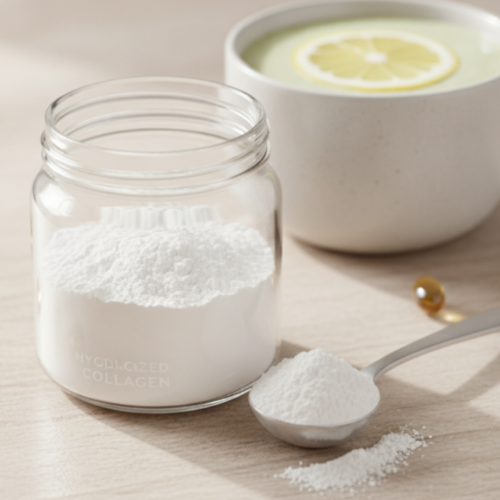
Psyllium husk, a soluble fiber supplement, has been shown to lower LDL by around 5% when taken daily alongside a healthy diet. Plant sterol/stanol supplements mirror the effect of fortified foods, typically reducing LDL by 6-15% at effective doses. Red yeast rice contains a naturally occurring compound chemically similar to statin medication and has demonstrated LDL-lowering effects in studies, but its unregulated potency and potential side effects mean it should never be used without medical supervision.
Garlic extract, green tea catechins, and niacin have all been studied for cholesterol effects, with results ranging from modest to inconsistent depending on dosage and formulation. None of these substitute for the combined impact of diet, exercise, and weight management.
How Long Does It Take to See Results?
Most people notice measurable changes in LDL cholesterol within four to twelve weeks of consistent dietary and lifestyle change, since red blood cells and lipid metabolism markers turn over on that general timescale. HDL improvements from exercise often take slightly longer, typically two to three months of regular activity. A repeat lipid panel at the two-to-three-month mark gives the clearest picture of what’s actually working for a given person’s body.
When Diet and Lifestyle Alone Aren’t Enough
Genetics play a substantial role in cholesterol levels for some people, particularly those with familial hypercholesterolemia, a hereditary condition that keeps LDL elevated regardless of diet quality. In these cases, lifestyle changes remain valuable — they still reduce cardiovascular risk and often lower the required medication dose — but they may not bring LDL into a safe range on their own. This is a normal, expected outcome for a subset of people and not a sign that the effort was wasted.
Bringing It All Together
Lowering cholesterol naturally isn’t about one dramatic change — it’s the compounding effect of smaller, sustainable habits: less saturated fat, more soluble fiber, regular movement, better sleep, and steady weight management. Most people see real, measurable improvement in their lipid panel within two to three months of consistent effort. The goal isn’t perfection overnight; it’s building a pattern that your future self, and your arteries, will thank you for. Start with one or two changes from this guide, track your next lab results, and build from there.
Important Disclaimer
The information in this article is for informational and educational purposes only and does not replace the assessment or guidance of a healthcare professional. Always consult a doctor before making any decisions regarding your treatment or diagnosis.
Frequently Asked Questions
Can cholesterol be lowered naturally without medication?
Yes, for many people with mild to moderately elevated cholesterol, diet and lifestyle changes alone can bring LDL into a healthier range within a few months. People with genetic conditions like familial hypercholesterolemia often still need medication alongside lifestyle changes.
What foods lower cholesterol the fastest?
Soluble fiber sources like oats, beans, and barley, along with plant sterol-fortified foods, tend to produce the fastest measurable LDL reductions, often within four to six weeks of consistent daily intake.
Does exercise lower cholesterol as much as diet?
Does exercise lower cholesterol as much as diet? Exercise primarily raises HDL (“good”) cholesterol and lowers triglycerides, while diet has a stronger direct effect on lowering LDL (“bad”) cholesterol. The two work best in combination rather than as substitutes for each other.
How much does quitting smoking improve cholesterol?
Quitting smoking can raise HDL cholesterol within weeks and improves overall vascular health almost immediately, making it one of the fastest lifestyle changes with a direct cardiovascular benefit.
Are eggs bad for cholesterol?
Dietary cholesterol from eggs has a smaller effect on blood cholesterol than saturated fat does for most people. Current guidance generally allows moderate egg consumption within an overall diet low in saturated fat.
How often should cholesterol be tested after making lifestyle changes?
A repeat lipid panel eight to twelve weeks after starting significant diet and exercise changes gives an accurate picture of progress, since it takes that long for the full metabolic effect to show up in bloodwork.
Can stress really raise cholesterol?
Yes, chronic stress affects cortisol levels, which in turn influences fat metabolism and can raise LDL and triglycerides over time. Managing stress through sleep, exercise, and relaxation techniques supports the same pathways targeted by diet and physical activity.