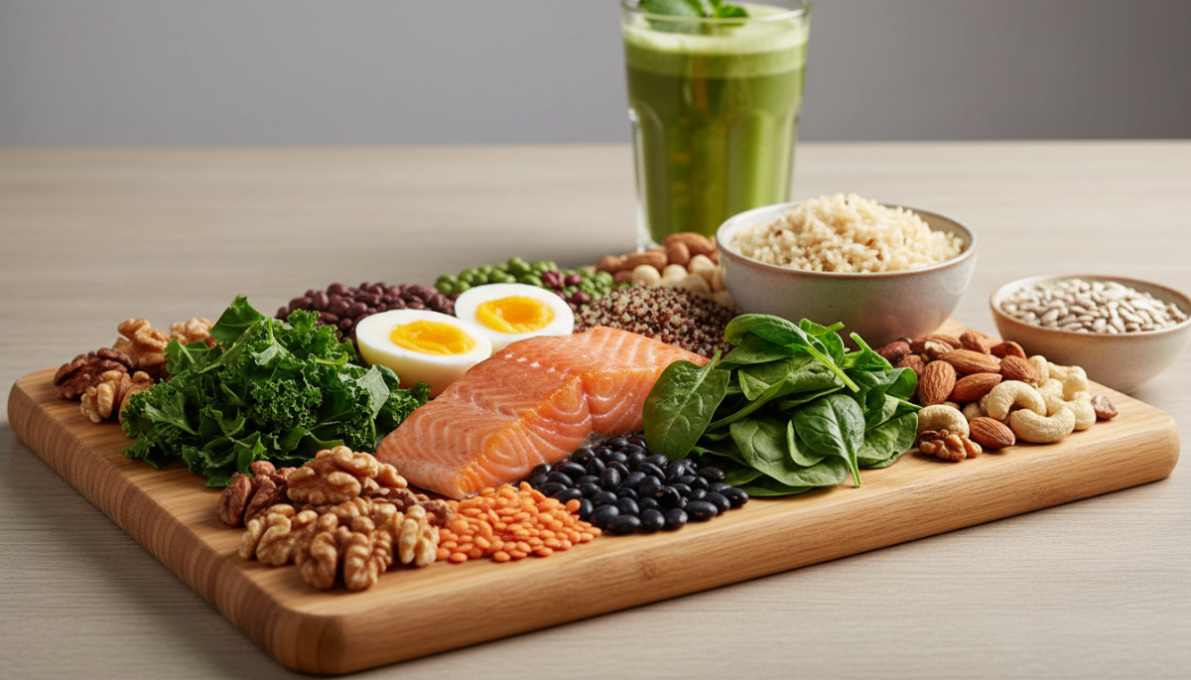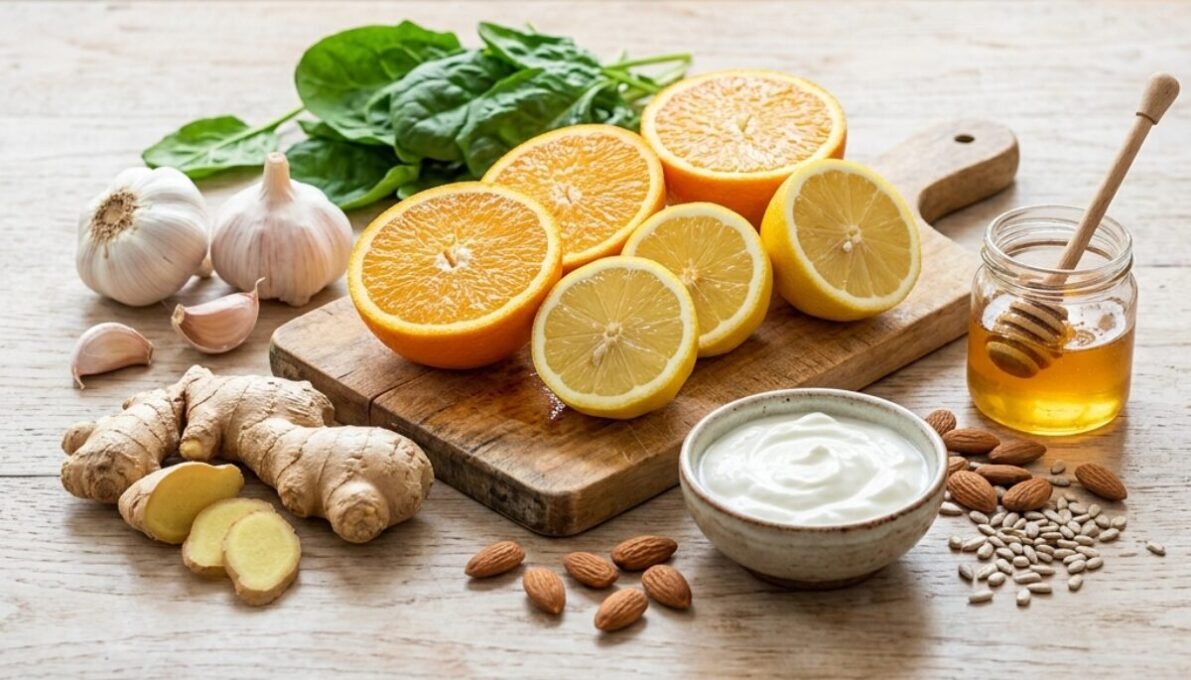
Foods that boost immunity include citrus fruits, garlic, ginger, yogurt, spinach, and almonds, among others rich in vitamin C, zinc, and probiotics. These nutrients support white blood cell production and help the body fend off infections more effectively. Building a diet around these foods is one of the most practical steps toward stronger, long-term immune health.
Why Your Diet Matters More Than You Think
Most people reach for vitamin C supplements the moment they feel a cold coming on, but by then, the window for prevention has often passed. The immune system doesn’t work like a light switch you flip on during flu season — it’s built gradually, meal by meal, over weeks and months.
Research from the National Institutes of Health shows that chronic micronutrient deficiencies, even mild ones, can measurably impair immune cell function. That means the sandwich you had for lunch today is quietly shaping how well your body handles the next virus it encounters.
This article breaks down 15 foods with genuine, research-backed immune benefits, explains what makes each one effective, and shows you how to work them into a realistic weekly diet — no extreme meal plans required.
Read also: “Vitamin D Deficiency: Symptoms, Causes, and How to Fix It“

What Actually Makes a Food “Immune-Boosting”
A food earns the label “immune-boosting” when it supplies nutrients your immune cells need to function, multiply, or communicate effectively. This includes vitamin C, vitamin D, zinc, selenium, antioxidants, and probiotics. No single food prevents illness on its own, but consistent intake of these nutrients strengthens the body’s overall defense response.
The 15 Foods
1. Citrus Fruits (Oranges, Lemons, Grapefruit)
Vitamin C is the most well-known immune nutrient, and citrus fruits remain one of the richest natural sources. An orange contains roughly 70 mg of vitamin C, covering most of the daily recommended intake for adults.
Vitamin C supports the production and function of white blood cells, which are the body’s primary defense against pathogens, according to research published on PubMed. It also acts as an antioxidant, protecting immune cells from damage during an active immune response.
2. Red Bell Peppers
Ounce for ounce, red bell peppers actually contain more vitamin C than oranges — nearly three times as much. They’re also rich in beta-carotene, which the body converts into vitamin A, supporting healthy mucous membranes that act as a first line of defense against pathogens.
3. Garlic
Garlic contains allicin, a sulfur compound formed when garlic is crushed or chopped, which has demonstrated antimicrobial properties in laboratory studies. Cultures across the world have used garlic medicinally for centuries, and modern research continues to explore its role in reducing the frequency and severity of common colds.
Quick tip: Let chopped garlic sit for 10 minutes before cooking. This allows allicin to fully form before heat breaks it down.
4. Ginger
Ginger has long been used to reduce inflammation and soothe sore throats. Its active compound, gingerol, has shown anti-inflammatory and antioxidant effects in clinical research, which may help reduce the risk of chronic inflammation that weakens immune resilience over time.
5. Spinach
Spinach delivers vitamin C, antioxidants, and beta-carotene in one package, along with folate — a nutrient essential for cell repair and immune cell production. Lightly cooking spinach actually increases the availability of vitamin A while retaining most of its vitamin C.
6. Yogurt (with Live Cultures)
Roughly 70% of the immune system resides in the gut, according to research summarized by the Mayo Clinic, making probiotic-rich foods like yogurt a direct line to immune support. Live and active cultures help maintain a healthy balance of gut bacteria, which regulates inflammation and supports pathogen defense.
When choosing yogurt, look for labels that specify “live and active cultures” — many processed yogurts lose these bacteria during pasteurization.
7. Almonds
Almonds are one of the best plant-based sources of vitamin E, a fat-soluble antioxidant that requires dietary fat for proper absorption — which almonds conveniently provide. A single ounce (about 23 almonds) supplies nearly half the daily recommended vitamin E intake for adults.
8. Sunflower Seeds
Sunflower seeds combine vitamin E, selenium, and magnesium in a small package. Selenium plays a critical role in immune cell signaling and has been linked to reduced oxidative stress in the body.
9. Turmeric
Curcumin, the active compound in turmeric, has been studied extensively for its anti-inflammatory properties. Chronic low-grade inflammation is increasingly recognized as a factor that can suppress immune efficiency over time, making turmeric a useful addition to an anti-inflammatory diet.
Tip: Pair turmeric with black pepper. Piperine, found in black pepper, increases curcumin absorption by up to 2,000%.
10. Green Tea
Green tea contains epigallocatechin gallate (EGCG), a powerful antioxidant that supports immune function while also providing a modest amount of L-theanine, an amino acid that may enhance the germ-fighting capacity of T cells.
Read also: “Green Tea Benefits: Boost Your Health Naturally“
11. Kiwi
Kiwi packs an impressive nutrient density for its size: vitamin C, vitamin K, folate, and potassium in one small fruit. Studies have linked regular kiwi consumption to reduced duration and severity of upper respiratory infections in older adults.
12. Poultry (Chicken and Turkey)
Poultry is rich in vitamin B6, a nutrient involved in the biochemical reactions that support immune system function. Chicken broth also contains gelatin, chondroitin, and other nutrients that have anecdotally supported recovery from colds for generations.
13. Shellfish (Oysters, Crab)
Certain shellfish, particularly oysters and crab, are exceptionally high in zinc. Zinc deficiency is directly linked to impaired immune function, and even mild deficiency can slow the body’s ability to fight infection.
14. Broccoli
Broccoli is loaded with vitamins A, C, and E, plus fiber and antioxidants like sulforaphane. Steaming broccoli lightly, rather than boiling it, preserves more of its nutrient content.
15. Papaya
Papaya contains an impressive 224% of the daily recommended vitamin C intake in a single cup, along with the digestive enzyme papain, which has mild anti-inflammatory effects.
Comparing Nutrient Density: Top Immune-Boosting Foods
| Food | Primary Nutrient | Approx. Serving | Key Benefit |
|---|---|---|---|
| Red Bell Pepper | Vitamin C | 1 cup, raw | ~190 mg vitamin C |
| Papaya | Vitamin C | 1 cup | ~224% Daily Value |
| Oysters | Zinc | 6 medium | ~33 mg zinc |
| Sunflower Seeds | Vitamin E | 1 oz | ~7.4 mg vitamin E |
| Yogurt | Probiotics | 1 cup | Supports gut-immune axis |
| Spinach | Vitamin A/C | 1 cup, cooked | Antioxidant + mucosal support |
Building These Foods Into Your Week
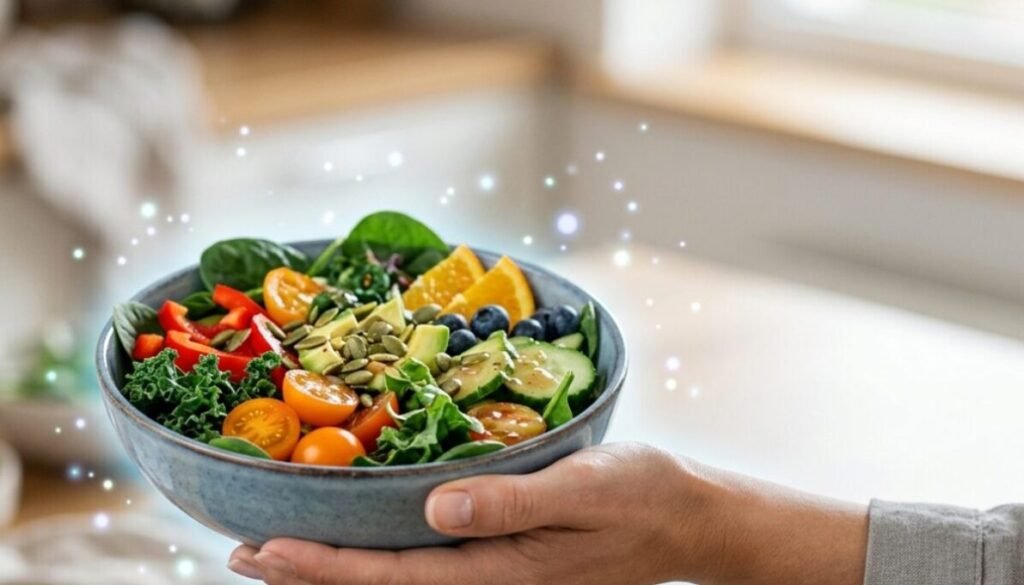
Trying to eat all 15 foods every day isn’t realistic, and it isn’t necessary. A more sustainable approach involves layering a few of these foods into meals you already eat.
- Add citrus or kiwi to breakfast for a vitamin C boost first thing in the morning.
- Include a source of zinc — poultry, shellfish, or seeds — at least three times per week.
- Keep yogurt with live cultures stocked as a daily snack or breakfast base.
- Cook with garlic and ginger regularly rather than treating them as occasional flavor additions.
- Rotate leafy greens and cruciferous vegetables like spinach and broccoli into dinners several times a week.
Immune-boosting foods are those rich in vitamin C, zinc, vitamin E, selenium, and probiotics — nutrients that directly support white blood cell production, reduce inflammation, and maintain a healthy gut microbiome.
What the Research Doesn’t Support
It’s worth being clear-eyed here: no food or supplement prevents illness outright, and claims suggesting otherwise oversimplify how the immune system works. Diet influences immune resilience over time — it doesn’t function like a shield activated by a single meal or juice cleanse. Consistency matters far more than intensity.
Bringing It All Together
A resilient immune system is built through consistent nutrition, not last-minute fixes when symptoms appear. The 15 foods covered here — from citrus fruits and garlic to yogurt and shellfish — offer real, research-supported benefits when eaten regularly as part of a varied diet. Small, sustainable changes to what fills your plate each week tend to matter more than any single “superfood.” Start by adding two or three of these foods to your routine this week and build from there.
Important Disclaimer
The information in this article is for informational and educational purposes only and does not replace the guidance of a qualified healthcare professional. Always consult a doctor before making decisions about your diet, treatment, or health conditions, especially if you have existing medical concerns or take medications.
Frequently Asked Questions
What foods boost the immune system the fastest?
No food produces immediate immune effects, but foods high in vitamin C (citrus, bell peppers) and zinc (shellfish, seeds) support immune cell activity within days of consistent intake as part of a balanced diet.
Can you boost your immune system in one day?
No single day of eating well can significantly change immune function. Immune health builds over weeks and months through consistent nutrient intake, sleep, and lifestyle habits.
Is vitamin C or zinc more important for immunity?
Both are essential and work differently: vitamin C supports white blood cell production and antioxidant defense, while zinc is critical for immune cell development and signaling. A balanced diet should include both rather than prioritizing one over the other.
Do probiotics really help the immune system?
Yes, probiotics support the gut microbiome, which regulates a significant portion of immune activity. Foods like yogurt with live cultures help maintain this balance and may reduce inflammation.
What foods weaken the immune system?
Diets high in added sugar, processed foods, and excessive alcohol have been linked to increased inflammation and impaired immune cell function over time. Reducing these while increasing nutrient-dense whole foods supports better immune resilience.
Are supplements as effective as whole foods for immunity?
Whole foods provide nutrients alongside fiber, antioxidants, and compounds that work synergistically, which isolated supplements often can’t replicate. Supplements can help address specific deficiencies but generally shouldn’t replace a nutrient-rich diet.
How long does it take to see immune benefits from diet changes?
Most research suggests measurable improvements in immune markers appear after several weeks of consistent dietary changes, not days. Long-term consistency yields the most reliable benefits.

My relationship with health and wellness began on a personal level, looking for practical ways to improve my own routine: more movement, more mindful eating, and basic oral care habits that, over time, made a real difference in my quality of life. It was this ongoing process of learning — testing, researching, and adjusting — that motivated me to share what I learn with others on the same journey.