Iron deficiency anemia is a condition in which the body lacks enough iron to produce sufficient hemoglobin, the protein red blood cells use to carry oxygen. It can cause tiredness, weakness, shortness of breath, headaches, and poor concentration. Finding and treating the underlying cause is as important as replacing iron.
Feeling exhausted after a full night’s sleep is easy to dismiss as stress, a busy schedule, or poor sleep. However, persistent fatigue can sometimes reflect a shortage of iron—the mineral needed to make hemoglobin and transport oxygen throughout the body.
Iron deficiency anemia is the most common type of anemia worldwide. According to the World Health Organization’s anemia data, anemia affects approximately 30% of women aged 15 to 49 globally, with higher rates during pregnancy and in young children.
The condition can develop gradually. A person may first deplete stored iron without noticing obvious symptoms. As iron levels continue to fall, the body produces fewer healthy red blood cells, and everyday activities such as climbing stairs, exercising, or concentrating at work may become more difficult.
The good news is that iron deficiency anemia is usually treatable once its cause is identified. Treatment may involve dietary changes, oral iron, intravenous iron, or management of blood loss or an absorption problem. The correct approach depends on laboratory results, age, medical history, pregnancy status, and the reason iron levels became low.
This guide explains the causes, symptoms, diagnosis, treatment options, prevention strategies, and common misconceptions surrounding iron deficiency anemia.
What Is Iron Deficiency Anemia?
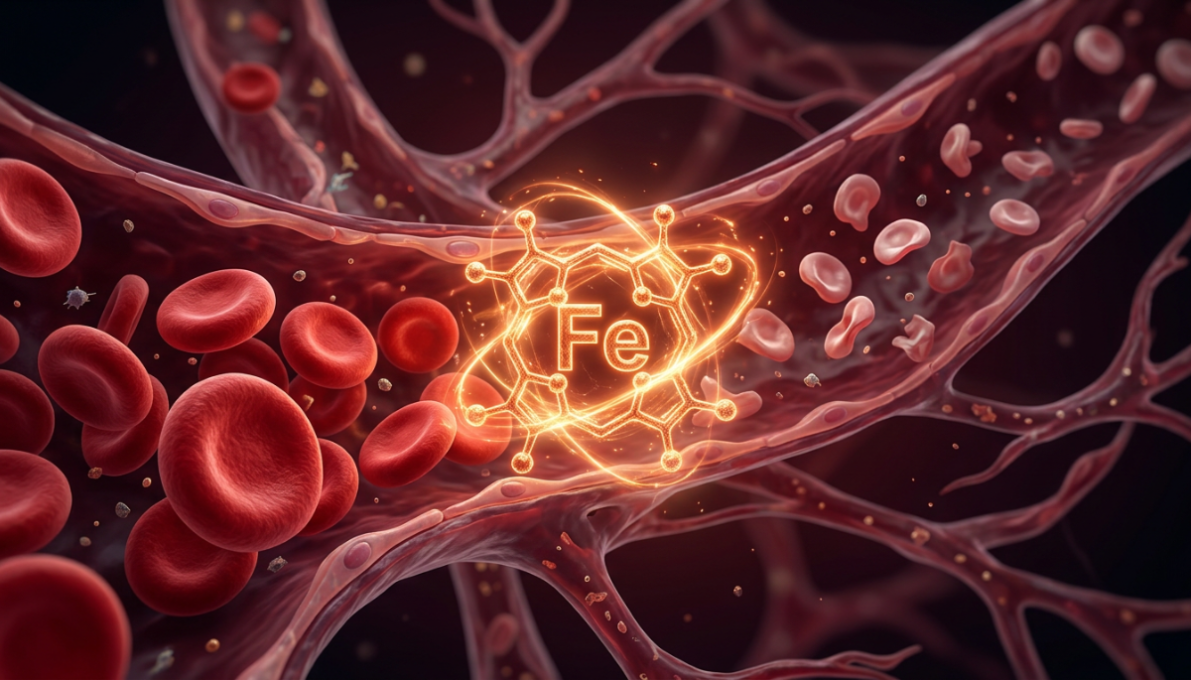
Iron deficiency anemia occurs when the body does not have enough iron to make adequate hemoglobin. Without sufficient hemoglobin, red blood cells carry less oxygen to muscles, organs, and tissues.
Iron deficiency and anemia are related but not identical:
- Iron deficiency means the body’s iron stores are low.
- Iron deficiency anemia means iron deficiency has progressed enough to reduce hemoglobin or red blood cell production.
- A person can have low iron stores before anemia appears on a complete blood count.
Iron is absorbed mainly in the upper small intestine. The body carefully regulates absorption because it cannot actively remove large amounts of excess iron. A hormone called hepcidin helps control how much iron enters the bloodstream. Inflammation can increase hepcidin and make iron less available, even when some iron remains stored in the body.
Direct answer: How does iron deficiency anemia affect the body?
Iron deficiency anemia reduces the blood’s oxygen-carrying capacity. The heart and muscles may work harder to deliver oxygen, leading to fatigue, weakness, rapid heartbeat, breathlessness during activity, headaches, and reduced mental concentration.
Read also: “Omega-3 Benefits: Why Fish Oil is Essential“
Causes of Iron Deficiency Anemia
Iron deficiency anemia usually develops through one or more of four mechanisms: blood loss, increased iron requirements, insufficient intake, or poor absorption.
Blood loss
Chronic blood loss is one of the most important causes in adults.
Menstrual bleeding
Heavy or prolonged menstrual bleeding can gradually deplete iron stores. Clues may include:
- Bleeding that lasts more than seven days
- Needing to change a pad or tampon very frequently
- Passing large blood clots
- Bleeding through clothing or bedding
- Feeling unusually tired during or after menstruation
The cause may involve hormonal changes, uterine fibroids, polyps, adenomyosis, endometriosis, a bleeding disorder, or certain medications.
Gastrointestinal bleeding
Blood loss from the digestive tract can occur without visible blood in the stool. Potential causes include ulcers, gastritis, inflammatory bowel disease, hemorrhoids, colon polyps, and colorectal cancer.
Regular use of nonsteroidal anti-inflammatory drugs, such as ibuprofen or naproxen, can irritate the stomach or intestine and contribute to bleeding in some people. Black, tarry stools or visible blood require prompt medical assessment.
For adults with confirmed iron deficiency anemia, gastrointestinal evaluation may be necessary even when digestive symptoms are mild or absent. The American Gastroenterological Association guideline on gastrointestinal evaluation discusses laboratory assessment and endoscopic evaluation according to age, sex, symptoms, and clinical risk.
Pregnancy and childbirth
Pregnancy increases iron requirements because the body must support the growing fetus, placenta, and expanded maternal blood volume. Blood loss during childbirth can further reduce iron stores.
Increased iron requirements
Some life stages require more iron than usual:
- Pregnancy
- Infancy and adolescence
- Rapid growth
- Recovery after significant blood loss
- Regular endurance training in some athletes
Children and teenagers may be particularly vulnerable when growth is rapid and the diet does not provide enough iron.
Insufficient dietary intake
Iron deficiency anemia can develop when the diet provides too little iron over time. Risk may increase with:
- Highly restrictive diets
- Poor appetite
- Food insecurity
- Avoidance of animal products without careful meal planning
- Diets low in legumes, fortified grains, vegetables, nuts, seeds, or meat
- Eating disorders or conditions that limit food intake
Plant foods contain non-heme iron, which is absorbed less efficiently than the heme iron found in meat, poultry, and seafood. This does not mean a plant-based diet cannot provide enough iron; it means meal composition and regular intake matter.
Poor iron absorption
Even when a person consumes enough iron, absorption may be reduced by digestive conditions or medications.
Possible contributors include:
- Celiac disease
- Crohn’s disease or ulcerative colitis
- Previous stomach or intestinal surgery
- Atrophic gastritis
- Helicobacter pylori infection
- Long-term use of acid-suppressing medication
- Certain disorders affecting the small intestine
Calcium can also compete with iron absorption when consumed at the same time in concentrated amounts. Tea and coffee contain compounds that can reduce non-heme iron absorption when taken with an iron-rich meal.

Symptoms of Iron Deficiency Anemia
Symptoms depend on how low hemoglobin becomes, how quickly the deficiency develops, and a person’s general health. Gradual iron deficiency may cause subtle changes that are easy to overlook.
Common symptoms include:
- Persistent tiredness
- Reduced stamina
- Weakness
- Pale skin or pale coloring inside the lower eyelids
- Shortness of breath during activity
- Fast or noticeable heartbeat
- Dizziness or lightheadedness
- Headaches
- Cold hands and feet
- Difficulty concentrating
- Irritability or low mood
- Reduced exercise performance
Some symptoms are more specifically associated with iron deficiency than with anemia itself.
Less common signs
Pica
Pica is a persistent urge to eat non-food substances, such as ice, clay, soil, paper, or starch. Craving and chewing ice, known as pagophagia, is a recognized association with iron deficiency.
Restless legs
Iron deficiency may contribute to restless legs syndrome, which causes an uncomfortable urge to move the legs, particularly at night or during periods of rest.
Nail and hair changes
Severe or prolonged deficiency may contribute to brittle nails, hair shedding, or spoon-shaped nails called koilonychia. These signs have multiple possible causes, so they do not diagnose iron deficiency on their own.
Tongue and mouth changes
A sore or smooth tongue, cracks at the corners of the mouth, or unusual oral sensitivity can occur in some cases.
When symptoms require urgent attention
Severe breathlessness at rest, chest pain, fainting, confusion, a very rapid heartbeat, vomiting blood, or black tarry stools may indicate a serious problem. These symptoms require urgent medical care rather than self-treatment with supplements.
Who Is at Higher Risk?
Iron deficiency anemia can affect anyone, but some groups have a greater likelihood of developing it.
| Group | Why risk may be higher |
|---|---|
| People with heavy menstrual bleeding | Ongoing blood loss can exceed iron replacement from food |
| Pregnant people | Iron requirements rise as blood volume and fetal needs increase |
| Infants and adolescents | Rapid growth increases demand for iron |
| Frequent blood donors | Repeated donations remove iron along with red blood cells |
| People with gastrointestinal disease | Inflammation or intestinal damage may reduce absorption |
| People after digestive surgery | Altered anatomy can affect iron uptake |
| Vegetarians and vegans | Non-heme iron requires careful dietary planning |
| Older adults | Occult gastrointestinal bleeding and chronic disease become more relevant |
| Endurance athletes | Training, sweat, foot-strike hemolysis, and dietary factors may contribute |
Risk does not establish a diagnosis. Some people with no obvious risk factor may still have iron deficiency anemia because of an unrecognized bleeding source or absorption problem.
How Iron Deficiency Anemia Is Diagnosed
Diagnosis combines symptoms, medical history, physical examination, and blood tests. No single result should be interpreted in isolation.
Complete blood count
A complete blood count, or CBC, commonly measures:
- Hemoglobin
- Hematocrit
- Mean corpuscular volume, or MCV
- Mean corpuscular hemoglobin
- Red blood cell count
- Red cell distribution width
Iron deficiency anemia often produces small red blood cells, called microcytes, and a lower MCV. However, early iron deficiency may occur before the MCV falls. Other conditions, including thalassemia trait and chronic inflammation, can also cause small red blood cells.
Ferritin
Ferritin reflects stored iron and is one of the most useful tests for iron deficiency. Low ferritin strongly supports depleted iron stores.
Ferritin can be misleadingly normal or high during infection, inflammation, liver disease, or other inflammatory states because it also behaves as an acute-phase protein. In those situations, clinicians may interpret ferritin alongside additional tests.
Transferrin saturation and serum iron
Transferrin saturation estimates how much iron is available for red blood cell production. Serum iron varies throughout the day and can change with meals, illness, and recent supplements, so it is generally not used alone to diagnose iron deficiency.
Other tests may include:
- Total iron-binding capacity
- Transferrin
- Reticulocyte count
- C-reactive protein
- Soluble transferrin receptor
- Stool testing in selected circumstances
- Screening for celiac disease
Identifying the cause
Treating the laboratory abnormality without investigating the cause can allow the deficiency to return. The evaluation may consider:
- Menstrual history
- Pregnancy status
- Dietary pattern
- Blood donation
- Medication use
- Abdominal or bowel symptoms
- Recent surgery
- Family history of gastrointestinal disease
- Age and sex
- Symptoms suggesting malabsorption
In men and postmenopausal women, gastrointestinal blood loss deserves particular attention because menstrual bleeding is not an expected explanation.
Iron Deficiency Anemia Treatment
Treatment has two goals: restore iron and address why iron became low.
Oral iron
Oral iron is often the first treatment because it is accessible, effective, and less invasive than intravenous therapy. Products may contain different iron salts, including ferrous sulfate, ferrous fumarate, and ferrous gluconate.
The key number on the label is elemental iron, not the total weight of the compound. Different products therefore cannot be compared simply by tablet size.
Common side effects include:
- Nausea
- Abdominal discomfort
- Constipation
- Diarrhea
- Metallic taste
- Dark stools
Taking iron with food may reduce stomach upset, although food can also reduce absorption. The best schedule balances absorption, tolerability, and adherence.
Recent guidance has challenged the assumption that more frequent dosing is always better. The National Institutes of Health Office of Dietary Supplements explains iron requirements, dietary sources, absorption, and safety considerations. In some adults, once-daily or alternate-day dosing may improve tolerability and absorption compared with multiple daily doses, but the appropriate regimen depends on the individual.
How to take oral iron more effectively
Practical strategies may include:
- Follow the prescribed elemental iron dose rather than choosing a product based only on brand or tablet size.
- Take the supplement consistently according to the recommended schedule.
- Separate iron from calcium supplements, antacids, tea, and coffee when instructed.
- Include vitamin C-rich foods, such as citrus fruit, peppers, tomatoes, or berries, with meals containing plant-based iron.
- Discuss persistent side effects instead of silently stopping treatment.
- Repeat blood testing at the interval recommended for monitoring response.
Iron supplements should be stored securely. Accidental ingestion can be extremely dangerous for children.
Intravenous iron
Intravenous iron delivers iron directly into a vein and may be considered when:
- Oral iron causes unacceptable side effects
- Oral treatment fails to improve laboratory results
- Iron absorption is significantly impaired
- Blood loss is ongoing
- Iron replacement is needed more rapidly
- A person cannot take oral medication reliably
Infusion reactions are uncommon but possible. The choice of preparation and number of infusions depends on the product, iron deficit, clinical situation, and local protocols.
Blood transfusion
A blood transfusion does not treat the underlying iron deficiency. It may be used in severe anemia with significant symptoms, hemodynamic instability, active bleeding, or other urgent circumstances. Iron replacement and treatment of the cause are still usually necessary afterward.
Treating the source of iron loss
Iron levels are more likely to remain normal when the cause is addressed. Examples include:
- Treating heavy menstrual bleeding
- Managing an ulcer or gastrointestinal condition
- Reviewing medications that increase bleeding risk
- Treating celiac disease or another malabsorption disorder
- Managing inflammatory bowel disease
- Addressing nutritional inadequacy
- Investigating unexplained gastrointestinal blood loss
Expected response
A rise in hemoglobin after starting effective treatment supports the diagnosis, but the response is not instantaneous. Symptoms may begin improving before blood counts fully normalize.
Iron treatment often continues after hemoglobin returns to normal to replenish storage iron. Stopping too early is a common reason deficiency returns. The exact duration should be guided by repeat testing and the underlying cause.
Food Sources of Iron
Iron comes from both animal and plant foods.
Heme iron sources
Heme iron is found in:
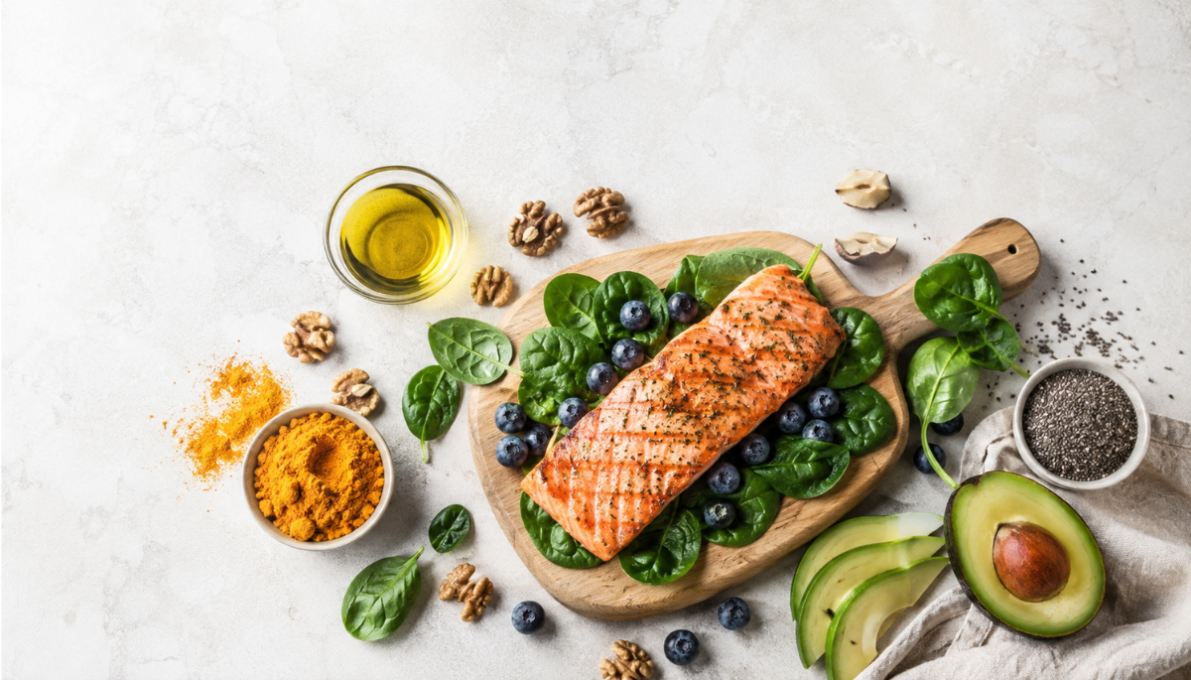
- Beef and other red meat
- Poultry
- Fish
- Shellfish
- Liver and other organ meats
Organ meats contain concentrated amounts of iron but may not be appropriate in large amounts during pregnancy because of their high vitamin A content.
Non-heme iron sources
Non-heme iron is found in:
- Lentils
- Beans
- Chickpeas
- Tofu and other soy foods
- Fortified breakfast cereals
- Whole grains
- Pumpkin seeds
- Sesame seeds and tahini
- Spinach and other leafy greens
- Dried fruit
Absorption of non-heme iron can improve when meals include vitamin C. For example, lentils with tomatoes, tofu with bell peppers, or beans with citrus-based salsa may provide a more absorption-friendly combination.
Foods and drinks that can reduce absorption
Some foods and beverages can interfere with non-heme iron absorption when consumed at the same time:
- Tea
- Coffee
- Large amounts of calcium
- Some high-phytate foods, depending on preparation
This does not mean these foods must be eliminated. Separating them from iron-focused meals or supplements may be sufficient.
Daily iron requirements
Iron needs vary by age, sex, pregnancy status, and life stage. The NIH iron fact sheet lists recommended dietary allowances and food sources for different groups.
Food alone may not correct established iron deficiency anemia quickly enough, particularly when blood loss or malabsorption is present. Diet is usually part of prevention and maintenance, while supplements may be needed for treatment.
Iron Deficiency Anemia in Pregnancy
Pregnancy increases the body’s demand for iron. Iron is needed for maternal red blood cell expansion, placental development, and fetal growth.
Possible effects of untreated anemia during pregnancy include reduced energy and exercise tolerance. More severe anemia is associated with adverse maternal and birth outcomes, which is why prenatal care commonly includes anemia screening.
Iron supplementation during pregnancy should be individualized. Taking high-dose iron without confirmed need can cause side effects and may complicate the interpretation of symptoms. Prenatal vitamins often contain iron, but their amount may not be enough to treat diagnosed anemia.
The World Health Organization guidance on iron and folic acid supplementation provides recommendations for pregnancy and public-health settings.
Iron Deficiency Anemia in Children
Children may develop iron deficiency because of rapid growth, limited diets, prematurity, or excessive cow’s milk intake.
Too much cow’s milk can displace iron-rich foods and may contribute to intestinal blood loss in some young children. Pediatric nutritional needs change with age, so milk intake and supplementation should follow age-appropriate guidance.
Possible signs in children include:
- Tiredness or weakness
- Pale skin
- Irritability
- Reduced appetite
- Poor attention
- Slower developmental progress
- Eating non-food substances
Iron supplements should never be given to a child without appropriate dosing guidance. Adult iron tablets can be toxic in small amounts.
Prevention Strategies
Prevention depends on the underlying reason for iron loss or low absorption.
Build meals around iron-rich foods
Include a regular source of iron at meals. Combining plant-based iron with vitamin C can improve absorption without requiring a complicated diet.
Monitor heavy menstrual bleeding
Heavy periods should not be accepted as something that must simply be endured, especially when they cause fatigue, dizziness, or repeated low iron results. Tracking bleeding patterns can help identify changes and support an accurate evaluation.
Use supplements appropriately
Iron supplements are useful when indicated but are not harmless wellness products. Excess iron can cause gastrointestinal injury, organ damage, and poisoning, particularly in children.
Pay attention to recurring deficiency
If iron deficiency anemia returns after apparently successful treatment, the next step is usually to reassess the cause rather than repeatedly taking iron without investigation.
Support iron intake during high-demand periods
Pregnancy, adolescence, recovery after blood loss, and frequent blood donation may require additional attention to dietary iron and laboratory monitoring.
Common Myths and Misunderstandings
“Fatigue automatically means iron deficiency.”
Fatigue has many possible causes, including sleep disorders, thyroid disease, infections, depression, medication effects, and other forms of anemia. Iron deficiency is confirmed through appropriate testing, not symptoms alone.
“A normal hemoglobin result rules out low iron.”
Not necessarily. Iron stores can be depleted before anemia develops. A person with fatigue, heavy bleeding, or another risk factor may have low ferritin despite a normal hemoglobin level.
“Spinach is the best treatment.”
Spinach contains iron, but its absorption is limited by oxalates. Beans, lentils, fortified grains, tofu, meat, seafood, and other foods can make meaningful contributions. Established anemia often requires more than dietary changes alone.
“More iron is always better.”
Excess iron does not improve energy in people who are not deficient and can be harmful. Supplementation should match a documented need and an appropriate dose.
“Dark stools always mean gastrointestinal bleeding.”
Iron supplements commonly make stools dark or greenish-black. However, tarry, sticky stools with a strong unusual odor—or stools accompanied by weakness, abdominal pain, or visible blood—can indicate bleeding and require prompt evaluation.
Read also: “How to Lower Blood Pressure: Natural Methods and Lifestyle Changes“
A Practical Checklist
When iron deficiency anemia is suspected or confirmed, the following checklist can help organize the next steps:
- Review the CBC, ferritin, and other iron studies.
- Identify possible blood loss.
- Consider menstrual, pregnancy, dietary, medication, and digestive factors.
- Ask whether an absorption problem is possible.
- Choose an iron replacement plan that can be followed consistently.
- Monitor side effects and response.
- Repeat laboratory testing as recommended.
- Continue treatment long enough to restore iron stores.
- Reassess the cause if anemia returns.
Iron deficiency anemia develops when iron stores are insufficient to support normal hemoglobin production. The most common contributors include chronic blood loss, pregnancy, rapid growth, low dietary intake, and impaired absorption.
Symptoms such as fatigue, weakness, breathlessness, headaches, restless legs, pica, and reduced concentration can provide clues, but blood tests are needed for diagnosis. Effective treatment combines iron replacement with investigation and management of the underlying cause.
A balanced diet supports prevention, while oral or intravenous iron may be necessary to correct established deficiency. Recurring anemia deserves renewed evaluation rather than repeated self-treatment. Understanding the cause makes long-term recovery much more likely.
Important disclaimers
The information in this article is provided exclusively for educational and informational purposes and does not replace evaluation or guidance from a qualified healthcare professional. Always seek medical advice before making decisions about diagnosis, supplements, medication, or treatment.
Frequently Asked Questions
What is the main cause of iron deficiency anemia?
The main causes are chronic blood loss, increased iron requirements, insufficient dietary iron, and poor absorption. In menstruating adults, heavy menstrual bleeding is common; in men and postmenopausal women, unexplained gastrointestinal blood loss requires particular attention.
What are the first symptoms of iron deficiency anemia?
Early symptoms may include tiredness, reduced stamina, headaches, difficulty concentrating, weakness, feeling cold, and shortness of breath during activity. Some people also develop ice cravings, restless legs, brittle nails, or hair shedding.
How is iron deficiency anemia diagnosed?
Diagnosis usually involves a complete blood count, ferritin, and additional iron studies such as transferrin saturation. Medical history and further testing help identify blood loss, dietary insufficiency, or malabsorption.
How long does it take to recover from iron deficiency anemia?
Symptoms may improve within weeks after effective treatment, but restoring hemoglobin and replenishing iron stores often takes longer. Treatment may continue after hemoglobin normalizes, depending on the severity of deficiency and its cause.
Can a vegetarian or vegan diet cause iron deficiency anemia?
A vegetarian or vegan diet does not automatically cause anemia, but it requires reliable sources of non-heme iron. Beans, lentils, tofu, fortified grains, seeds, nuts, and vitamin C-rich foods can support iron intake, while laboratory monitoring may be appropriate for people at higher risk.
Can iron deficiency anemia be treated with food alone?
Mild iron deficiency may improve with dietary changes, but established anemia often requires iron supplementation, especially when blood loss or malabsorption is present. Food remains important for long-term maintenance and prevention.
Is it safe to take iron supplements without a blood test?
Routine high-dose iron supplementation without confirming deficiency is not recommended. Excess iron can cause toxicity, worsen certain medical conditions, and delay diagnosis of the real cause of fatigue or anemia.

My relationship with health and wellness began on a personal level, looking for practical ways to improve my own routine: more movement, more mindful eating, and basic oral care habits that, over time, made a real difference in my quality of life. It was this ongoing process of learning — testing, researching, and adjusting — that motivated me to share what I learn with others on the same journey.