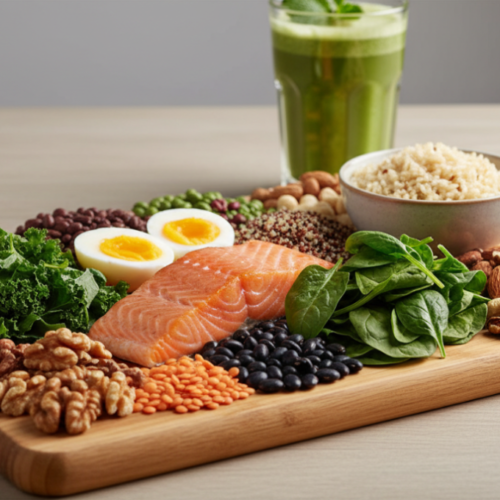
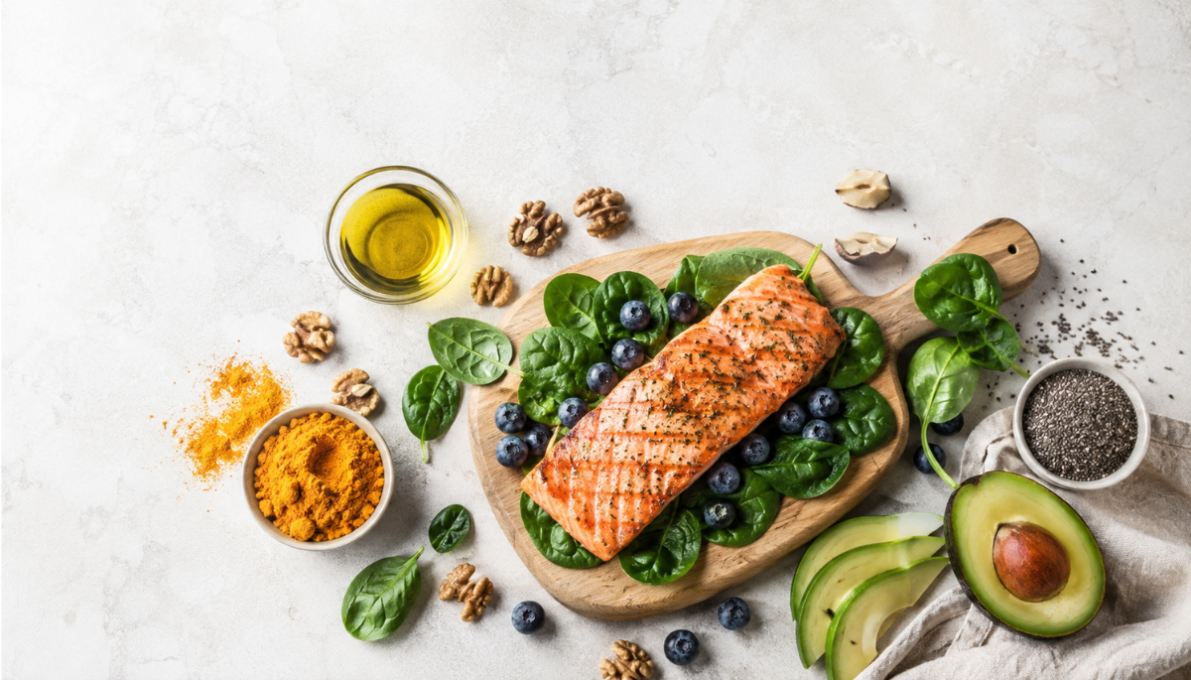
Anti-inflammatory foods are whole foods rich in antioxidants, omega-3 fatty acids, polyphenols, and fiber that help lower markers of chronic inflammation in the body. Fatty fish, leafy greens, berries, nuts, and olive oil are among the most studied examples. Building meals around these foods, while limiting ultra-processed products, is one of the most practical dietary strategies for long-term health.
Chronic inflammation rarely announces itself with obvious symptoms. It shows up quietly, as persistent fatigue, joint stiffness, brain fog, or skin that just won’t calm down, and by the time most people notice a pattern, it has often been building for years. Unlike the acute inflammation that helps a cut heal or fights off a cold, low-grade chronic inflammation lingers in the background and has been linked to heart disease, type 2 diabetes, and certain cancers, according to the National Institutes of Health.
The encouraging part is that diet is one of the few levers people can pull daily. Research published by Harvard T.H. Chan School of Public Health shows that dietary patterns rich in vegetables, fruits, whole grains, and healthy fats are consistently associated with lower levels of inflammatory markers like C-reactive protein (CRP). This article breaks down which foods actually move the needle, how to structure meals around them, and which common inflammatory triggers are worth cutting back on.
What Causes Chronic Inflammation in the First Place
Chronic low-grade inflammation develops when the immune system stays mildly activated over months or years instead of switching off after doing its job. Diet plays a central role here. Diets high in refined sugars, trans fats, and ultra-processed foods have been shown to raise inflammatory markers, while diets rich in fiber, omega-3s, and polyphenols tend to lower them.
Other contributors compound the effect: chronic stress, poor sleep, excess body fat (particularly visceral fat), smoking, and sedentary behavior all feed into the same inflammatory pathway. Diet alone won’t override a chaotic sleep schedule or unmanaged stress, but it remains one of the most controllable and consistently studied variables.
A 2023 review in the Journal of Clinical Medicine found that adherence to an anti-inflammatory dietary pattern was associated with a measurable reduction in CRP levels within 8 to 12 weeks in adults with elevated baseline inflammation. That timeline matters, because it tells you this isn’t an overnight fix, but it also isn’t a multi-year commitment before you see anything.
Read also: “Magnesium Deficiency: Signs You Need More of This Mineral“
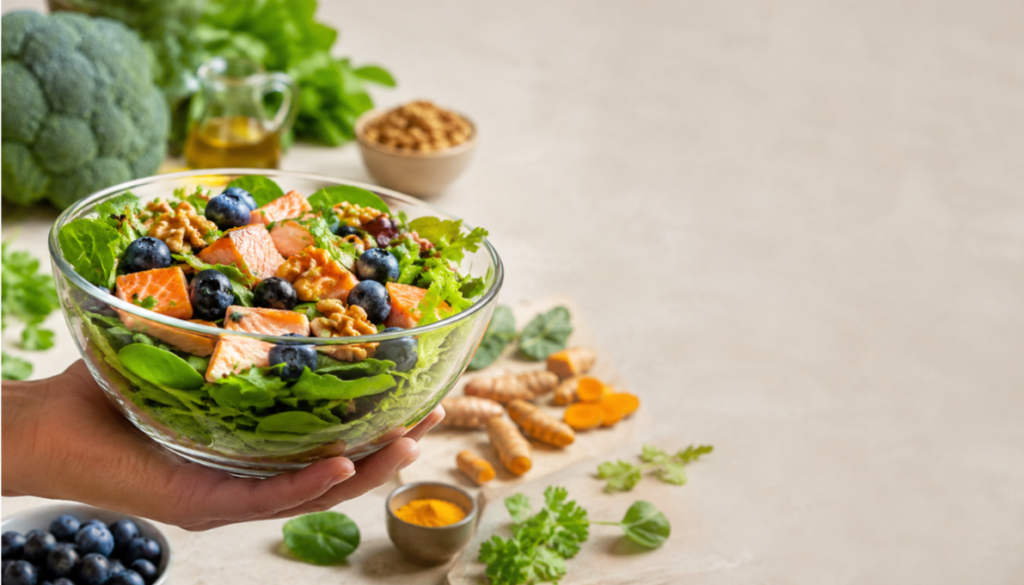
The Core Anti-Inflammatory Foods Worth Prioritizing
Some foods have a disproportionately large body of evidence behind them. These aren’t trendy superfoods with marketing budgets behind the claims, they’re ingredients that show up repeatedly in peer-reviewed nutrition research.
Fatty Fish and Omega-3 Sources
Salmon, mackerel, sardines, and anchovies are rich in EPA and DHA, two omega-3 fatty acids that directly compete with the inflammatory pathways triggered by omega-6 fatty acids. The American Heart Association recommends at least two servings of fatty fish per week for cardiovascular and anti-inflammatory benefits.
For people who don’t eat fish, algae-based omega-3 supplements or ground flaxseed and walnuts offer partial alternatives, though the conversion rate of plant-based ALA to usable EPA/DHA in the body is notably inefficient, often below 10%.
Leafy Greens and Cruciferous Vegetables
Spinach, kale, broccoli, and Brussels sprouts contain sulforaphane and other plant compounds that have been shown in laboratory studies to inhibit inflammatory signaling pathways. They’re also dense in vitamin K, which plays a role separate from but complementary to their antioxidant content.
Berries and Polyphenol-Rich Fruits
Blueberries, strawberries, and cherries owe much of their anti-inflammatory reputation to anthocyanins, the pigments responsible for their color. A study cited by the Mayo Clinic found that regular berry consumption was associated with reduced inflammatory markers in adults with metabolic syndrome.
Extra Virgin Olive Oil
Extra virgin olive oil contains oleocanthal, a compound that has an anti-inflammatory mechanism similar in structure to ibuprofen, though far milder in effect. It forms the fat backbone of the Mediterranean diet, which remains the most extensively studied anti-inflammatory eating pattern in existence.
Nuts and Seeds
Walnuts, almonds, chia seeds, and flaxseeds combine healthy fats, fiber, and plant compounds in one package. Walnuts specifically stand out for their alpha-linolenic acid content, an omega-3 precursor rarely found in this concentration in other nuts.
Anti-Inflammatory Foods vs. Pro-Inflammatory Foods
Understanding what to add only tells half the story. Knowing what tends to work against you helps clarify why some diets feel like they’re fighting an uphill battle.
| Category | Anti-Inflammatory Choices | Pro-Inflammatory Choices |
|---|---|---|
| Fats | Olive oil, avocado, fatty fish | Trans fats, hydrogenated oils |
| Carbohydrates | Whole grains, legumes | Refined sugar, white flour |
| Protein | Fish, legumes, poultry | Processed and cured meats |
| Beverages | Green tea, water | Sugar-sweetened sodas |
| Snacks | Nuts, berries, dark chocolate | Packaged chips, pastries |
This comparison isn’t about eliminating an entire category overnight. It’s a framework for making better swaps most of the time, which compounds meaningfully over months.
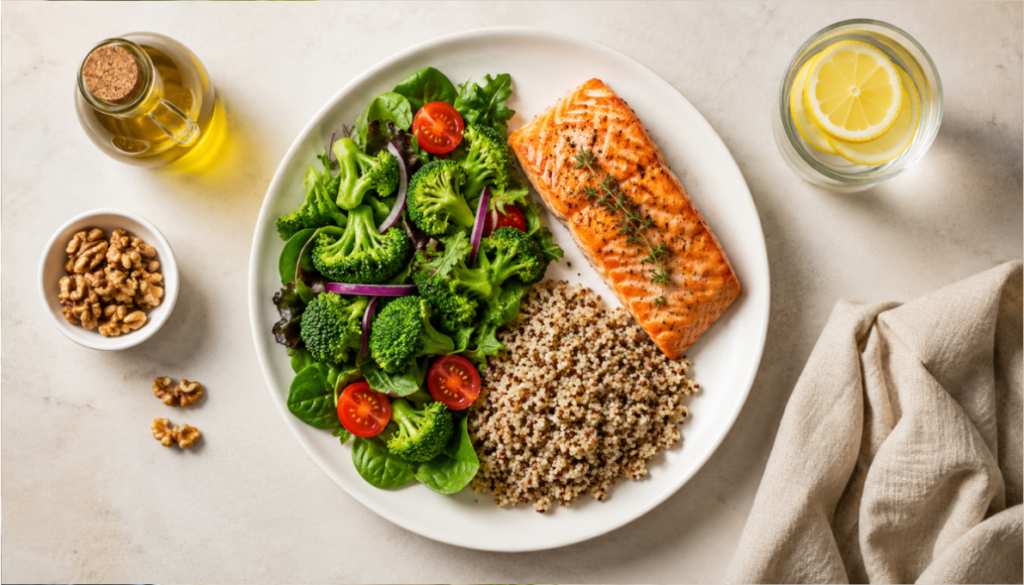
Building an Anti-Inflammatory Plate: A Practical Approach
Rather than memorizing individual foods, it helps to think in terms of plate composition. This is the approach used in most Mediterranean-diet-based clinical trials, and it translates well to everyday meal planning.
- Fill half the plate with vegetables, prioritizing color variety, dark leafy greens, and cruciferous options several times a week.
- Choose a fatty fish or plant-based protein as the primary protein source at least three to four times weekly.
- Use olive oil as the primary cooking fat, replacing butter or vegetable oils high in omega-6s where practical.
- Add a handful of nuts or seeds daily, either in meals or as a standalone snack.
- Swap refined grains for whole grains, choosing oats, quinoa, or brown rice over white bread and white pasta.
- Limit added sugar to under 25 grams per day, aligning with guidance from the American Heart Association for most adults.
Following this structure consistently tends to matter more than any single “miracle” ingredient. An anti-inflammatory diet is less about perfection and more about the ratio of choices made across a week.
Foods and Habits That Actively Work Against You
Certain dietary patterns have been consistently linked to elevated inflammatory markers in observational studies. Sugar-sweetened beverages, refined carbohydrates, and foods high in trans fats top that list. According to research summarized by PubMed, diets high in these categories are associated with elevated CRP and IL-6, two of the most commonly measured inflammatory biomarkers.
Processed and cured meats deserve a specific mention. Beyond their saturated fat content, compounds formed during curing and high-heat cooking, including advanced glycation end products, have been implicated in promoting oxidative stress, a close cousin of inflammation.
Alcohol occupies a gray zone. Moderate red wine consumption has occasionally been associated with polyphenol intake benefits, but the overall evidence on alcohol and inflammation skews toward caution, particularly at higher intake levels.
Common Myths About Anti-Inflammatory Eating
A few misconceptions circulate widely enough to be worth addressing directly. Not all fats are equal, despite decades of blanket “low-fat” messaging; omega-3 fats from fish and plant sources behave very differently in the body than trans fats or excess omega-6 oils. Another persistent myth is that a single “superfood,” whether turmeric, ginger, or any trending ingredient, can meaningfully offset an otherwise poor diet. No single food functions as a fix when the overall dietary pattern remains inflammatory.
There’s also confusion between anti-inflammatory eating and elimination diets. Unlike diets designed to identify food sensitivities, an anti-inflammatory approach isn’t inherently restrictive, it’s additive, built around increasing intake of beneficial foods rather than fearing entire categories.
Read also: “Probiotics Benefits: How Gut Health Transforms Your Life“
How Long Before You Notice a Difference
Timelines vary based on baseline inflammation levels, consistency, and individual metabolic factors. Clinical studies measuring CRP reduction after dietary changes typically show measurable shifts within 8 to 12 weeks of consistent adherence. Subjective improvements, such as reduced joint stiffness or better energy, are sometimes reported earlier, though these self-reported outcomes are harder to standardize across research.
Patience matters here. Chronic inflammation didn’t develop overnight, and dietary changes work on a similar timescale in reverse.
Adopting anti-inflammatory foods isn’t about chasing a trend or eliminating entire food groups overnight. It’s a gradual shift toward more vegetables, healthy fats, and whole foods, paired with less reliance on refined sugar and processed products. The research consistently points to the same conclusion: consistency in an anti-inflammatory dietary pattern, more than any single ingredient, is what drives measurable results over time. Small, sustainable swaps made most days of the week tend to outperform occasional perfect meals. If this breakdown helped clarify where to start, consider exploring related nutrition topics or sharing it with someone building better eating habits.
IMPORTANT DISCLAIMERS
The information in this article is intended for informational and educational purposes only and does not replace the assessment or guidance of a qualified healthcare professional. Always consult a doctor before making any decisions regarding your treatment or diagnosis.
FAQ
What are the top 5 anti-inflammatory foods?
Fatty fish (salmon, sardines), leafy greens (spinach, kale), berries, extra virgin olive oil, and nuts (especially walnuts) are the five foods most consistently linked to reduced inflammatory markers in nutrition research.
Can an anti-inflammatory diet reduce joint pain?
Many people with inflammatory joint conditions report reduced stiffness after adopting anti-inflammatory eating patterns rich in omega-3s and antioxidants, though individual results vary and it should complement, not replace, medical treatment.
Is dairy inflammatory or anti-inflammatory?
Dairy’s effect depends on the individual and product type; fermented dairy like yogurt and kefir may have mild anti-inflammatory properties, while full-fat, highly processed dairy products show more mixed evidence.
How quickly can you lower inflammation through diet?
Clinical studies typically show measurable reductions in inflammatory markers like CRP within 8 to 12 weeks of consistently following an anti-inflammatory eating pattern.
Is coffee inflammatory or anti-inflammatory?
Coffee contains polyphenols with antioxidant properties, and most research associates moderate coffee consumption with neutral or slightly anti-inflammatory effects, though added sugar and cream can offset these benefits.
What foods should you avoid on an anti-inflammatory diet?
Refined sugar, trans fats, processed and cured meats, and refined carbohydrates like white bread and pastries are the primary categories linked to increased inflammatory markers.
Does turmeric really reduce inflammation?
Turmeric contains curcumin, which has demonstrated anti-inflammatory properties in laboratory studies, but its low natural bioavailability means dietary amounts alone typically produce a modest effect compared to concentrated supplements.