

Teeth sensitivity treatment typically starts with desensitizing toothpaste containing potassium nitrate or stannic fluoride, which block pain signals from reaching the nerve. For more severe cases, dentists apply fluoride varnish, bonding agents, or perform procedures like gum grafts. The right approach depends on what’s causing the sensitivity in the first place.
Why Your Teeth Suddenly Hurt When You Drink Something Cold
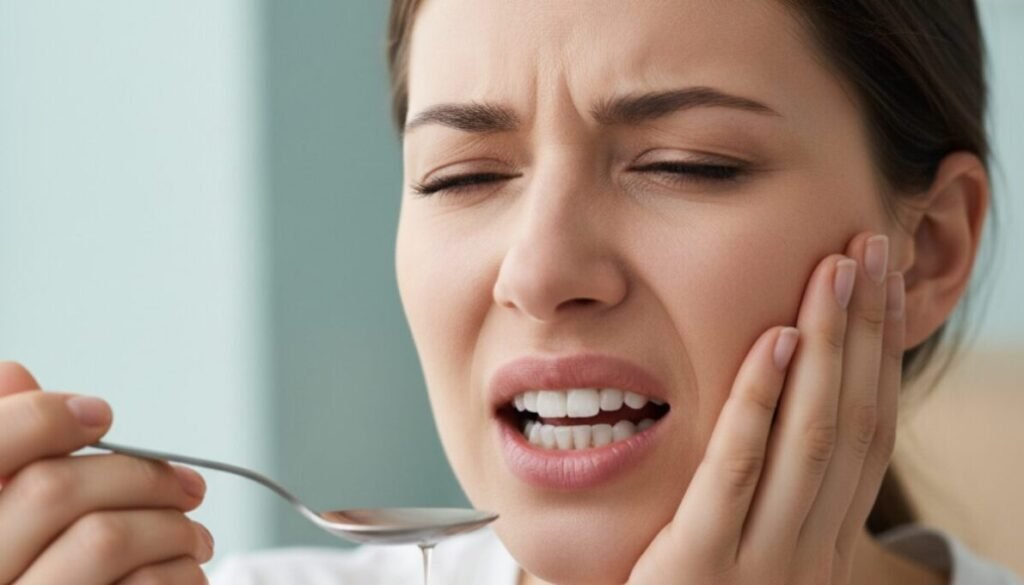
That sharp, electric jolt after a sip of iced coffee is one of the most common dental complaints in the United States. Roughly 1 in 8 adults experiences some degree of tooth sensitivity, and for many, it shows up out of nowhere — one week you’re eating ice cream fine, the next you’re wincing.
The mechanism behind this is fairly well understood. Underneath the hard enamel and root-covering cementum sits a layer called dentin, which is riddled with microscopic tubules that lead straight to the tooth’s nerve. When enamel wears down or gums recede, those tubules are exposed, and temperature changes, sugar, or even a rush of air can trigger pain almost instantly.
This article walks through what actually causes sensitivity, which treatments work and why, and when it’s worth taking the problem to a professional rather than just switching toothpaste brands and hoping for the best.
What Causes Teeth Sensitivity
Sensitivity isn’t a single condition — it’s a symptom with several possible root causes, and identifying the right one matters because the fix is different in each case.
Enamel erosion from acidic foods, sodas, citrus, or wine gradually thins the protective outer layer of the tooth. According to the American Dental Association, frequent exposure to acidic beverages is one of the leading contributors to sensitivity in adults under 40.
Gum recession exposes the root surface, which has no enamel at all — just a thin layer of cementum sitting directly over dentin. This is why sensitivity often develops with age or after aggressive brushing habits.
Brushing too hard with a stiff-bristled brush wears away both enamel and gum tissue over time. It’s a habit many people don’t realize is a problem until the damage is already visible.
Teeth grinding (bruxism) mechanically wears down enamel, especially at the biting surfaces, and often worsens sensitivity while someone sleeps without realizing it.
Cracked teeth or old fillings create direct pathways to the dentin or pulp, producing sensitivity localized to a single tooth rather than the whole mouth.
Recent dental work, including whitening treatments, cleanings, or fillings, can cause temporary sensitivity that typically resolves within a few days to two weeks.
In practice, patients who report sensitivity in a single tooth almost always have a localized issue — a crack, a failing filling, or decay — rather than generalized enamel wear, which tends to affect multiple teeth at once.
Read also: “Bad Breath Causes: Why It Happens and How to Fix It“
How Dentists Diagnose the Cause
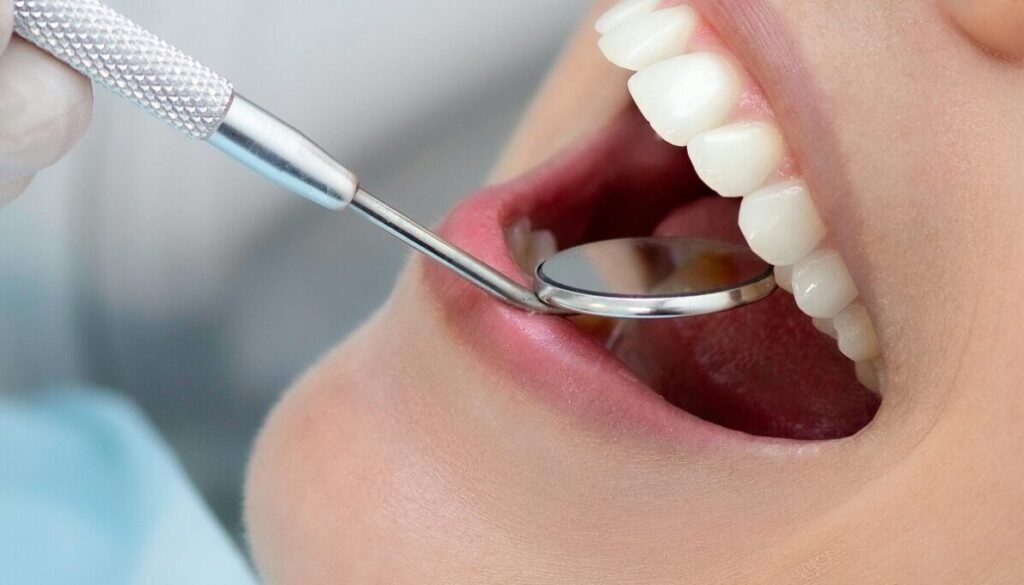
A dentist evaluating sensitivity typically checks for visible enamel wear, gum recession, exposed root surfaces, and signs of grinding such as flattened cusps. Cold air tests, biting pressure tests, and X-rays help rule out cracks or decay that wouldn’t be visible during a routine exam.
This diagnostic step matters more than most people assume. Treating suspected enamel erosion with desensitizing toothpaste won’t help if the actual problem is a cracked molar — and delaying proper diagnosis in that case can lead to the tooth eventually needing a root canal.
Effective Treatment Options for Teeth Sensitivity
Treatment for teeth sensitivity ranges from simple over-the-counter products to in-office procedures, depending on severity and underlying cause. Below is a comparison of the most common options.
| Treatment | Best For | How It Works | Typical Timeline |
|---|---|---|---|
| Desensitizing toothpaste | Mild, generalized sensitivity | Blocks nerve signals via potassium nitrate | 2-4 weeks of consistent use |
| Fluoride varnish (in-office) | Moderate enamel erosion | Strengthens enamel, reduces tubule permeability | Immediate to a few days |
| Dental bonding | Exposed root surfaces | Covers exposed dentin with resin | Single visit |
| Gum graft | Significant gum recession | Covers exposed roots with tissue | Surgical, weeks to heal |
| Night guard | Sensitivity from grinding | Prevents further enamel wear during sleep | Ongoing use |
| Root canal | Severe, persistent pain from nerve exposure | Removes damaged nerve tissue | 1-2 visits |
Over-the-Counter Solutions
Desensitizing toothpastes remain the first line of defense for most people, and they genuinely work — but not overnight. The active ingredients, usually potassium nitrate or stannous fluoride, need repeated application to build up a protective effect around nerve endings. Most people notice improvement within two to four weeks of twice-daily use, not after the first brush.
A soft-bristled toothbrush paired with a gentle, non-abrasive toothpaste also makes a measurable difference, particularly for people whose sensitivity stems from brushing technique rather than an underlying dental issue.
Professional In-Office Treatments
When over-the-counter products aren’t enough, a dentist has several tools available. Fluoride varnish applied directly to sensitive areas can reduce symptoms within days by remineralizing weakened enamel. For exposed root surfaces, bonding agents or dentin sealants physically cover the exposed tubules, often eliminating sensitivity in a single visit.
Gum grafting is reserved for more advanced recession, where tissue from elsewhere in the mouth (or a donor source) is used to cover exposed roots surgically. It’s a more involved procedure, but it addresses the structural problem rather than just masking symptoms.
Sensitivity that persists for more than two weeks despite consistent use of desensitizing toothpaste usually indicates the need for a professional evaluation rather than continued self-treatment.
Addressing the Underlying Cause
Treating symptoms without addressing the cause tends to produce short-lived relief. Someone with bruxism who uses desensitizing toothpaste alone will likely see the sensitivity return, because the enamel keeps wearing down every night. A properly fitted night guard, by contrast, stops the mechanical damage at its source.
Similarly, correcting an overly aggressive brushing technique — shorter strokes, softer bristles, less pressure — prevents new damage from accumulating even while existing sensitivity is being treated.
Practical Steps to Manage Sensitivity Day to Day
- Switch to a soft-bristled toothbrush and use light pressure — let the bristles do the work, not your arm.
- Use a desensitizing toothpaste consistently for at least two to four weeks before judging its effectiveness.
- Limit acidic foods and drinks, or use a straw for acidic beverages to reduce contact with front teeth.
- Avoid brushing immediately after acidic meals — waiting about 30 minutes allows enamel to reharden first.
- Wear a night guard if grinding is suspected, especially if you wake up with jaw soreness or notice flattened tooth surfaces.
- Schedule a dental exam if sensitivity is localized to one tooth or persists beyond a few weeks.
Read also: “Gum Disease Treatment: Complete Guide to Healthy Gums“
When to See a Dentist
Generalized, mild sensitivity that responds to toothpaste and lifestyle changes rarely requires urgent attention. But certain patterns warrant a professional visit sooner rather than later.
Pain that’s sharp, lingers well after the trigger is removed, or is isolated to a single tooth often points to a cavity, cracked tooth, or nerve involvement — none of which resolve with desensitizing products. The National Institute of Dental and Craniofacial Research notes that untreated dental decay can progress from mild sensitivity to significant pain and infection if left unaddressed.
Sensitivity that appears alongside visible gum recession, bleeding gums, or loose teeth also suggests a periodontal issue that’s better caught early, since gum disease tends to progress quietly before symptoms become obvious.
Teeth sensitivity treatment works best when it targets the actual cause rather than just numbing the discomfort. For many people, a desensitizing toothpaste and a gentler brushing routine are enough to make cold drinks and sweets comfortable again within a few weeks. For others — particularly those with gum recession, cracked teeth, or grinding habits — professional treatment addresses the structural problem directly instead of offering temporary relief. If sensitivity lingers, worsens, or concentrates in a single tooth, that’s the clearest sign it’s time to get it checked rather than wait it out.
IMPORTANT DISCLAIMERS
The information in this article is for informational and educational purposes only and does not replace evaluation or guidance from a qualified dental or medical professional. Always consult a dentist or periodontist before making any decisions about diagnosis or treatment for gum disease.
Frequently Asked Questions
What is the fastest way to relieve teeth sensitivity?
Applying desensitizing toothpaste directly to the sensitive area with a finger or cotton swab and leaving it overnight can provide faster relief than regular brushing alone. For immediate but temporary relief, avoiding extreme temperatures and acidic foods reduces triggering the pain.
Can teeth sensitivity go away on its own?
Mild, temporary sensitivity — such as after a dental cleaning or whitening treatment — often resolves within a few days to two weeks without intervention. Sensitivity caused by enamel erosion, gum recession, or a cracked tooth typically will not resolve without treatment.
Is teeth sensitivity a sign of a cavity?
Sensitivity can indicate a cavity, especially when it’s isolated to one tooth or triggered by sweets specifically. However, sensitivity is also commonly caused by enamel wear, gum recession, or grinding, so a dental exam is needed to confirm the cause.
What toothpaste ingredient helps with sensitive teeth?
Potassium nitrate and stannous fluoride are the two most common active ingredients in desensitizing toothpastes. Both work by blocking pain signal transmission through the dentin tubules to the tooth’s nerve.
Why are my teeth suddenly sensitive after years of no problems?
Sudden sensitivity often results from recent enamel erosion, new gum recession, a cracked tooth, or a change in brushing habits or diet. It can also follow recent dental treatments like whitening or a new filling.
Does teeth sensitivity mean I need a root canal?
Not necessarily. Most sensitivity is caused by exposed dentin from enamel wear or gum recession and responds to desensitizing treatments. A root canal is only needed when the nerve itself is significantly damaged or infected, which a dentist can determine through examination and X-rays.
Can whitening toothpaste make sensitivity worse?
Yes, whitening toothpastes often contain abrasive agents or peroxide that can increase sensitivity, particularly with frequent use. Switching to a whitening formula specifically designed for sensitive teeth, or alternating with a desensitizing toothpaste, can help minimize this effect.