The best meditation apps in 2026 include Calm, Headspace, Insight Timer, and Balance, each designed for stress relief, anxiety management, or better sleep. Sleep-focused users often prefer Calm’s Sleep Stories, while beginners tend to gravitate toward Headspace’s structured courses. Most top apps offer a free trial before requiring a paid subscription.
Stress doesn’t wait for a convenient time to show up. It creeps in during a crowded commute, a sleepless 2 a.m. scroll session, or a work deadline that arrived faster than expected. For millions of Americans, a meditation app has become the first line of defense — a pocket-sized tool that turns five spare minutes into a moment of calm. According to the National Center for Complementary and Integrative Health, meditation use among U.S. adults rose sharply over the past decade, reflecting a broader shift toward accessible, app-based mental wellness tools.
This guide breaks down the seven best meditation apps for stress relief and sleep in 2026, what makes each one worth downloading, and how to pick the right fit based on your goals, budget, and lifestyle.
What to Look for in a Meditation App
Not every meditation app serves the same purpose, and the “best” one depends heavily on what you’re trying to solve.
A meditation app is a mobile application that guides users through structured mindfulness, breathing, or relaxation exercises using audio, video, or text prompts. That simple definition covers a huge range of tools, from clinical mindfulness-based stress reduction programs to casual sleep-sound generators.
Content Variety and Session Length
A strong app offers sessions ranging from two-minute breathing resets to 45-minute deep-focus meditations. Variety matters because stress doesn’t follow a fixed schedule — sometimes you need a quick reset between meetings, other times a longer wind-down before bed.
Sleep-Specific Features
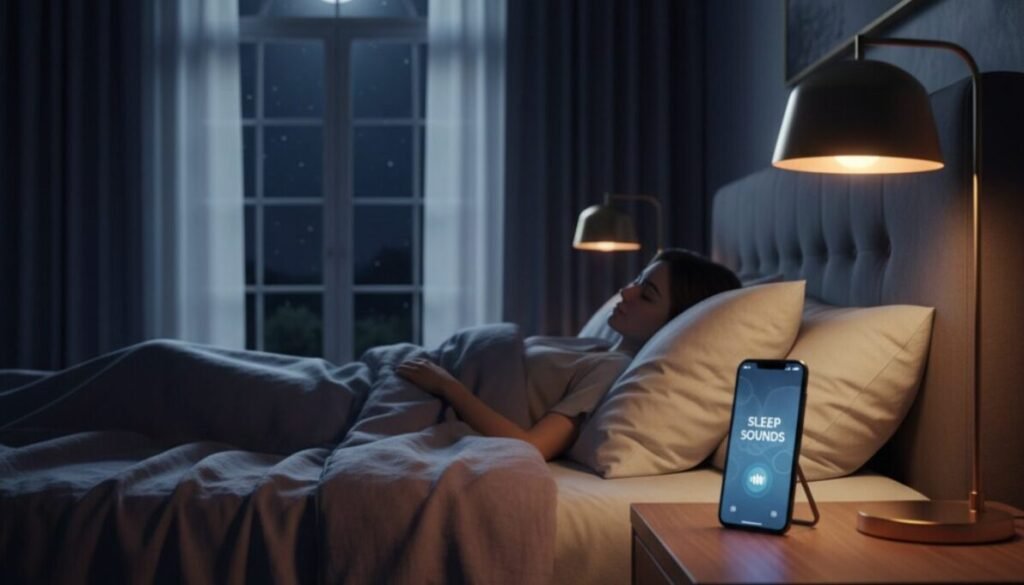
If insomnia or restless nights are the main concern, look for apps with dedicated sleep content: sleep stories, ambient soundscapes, or sleep tracking. The Sleep Foundation notes that pre-sleep relaxation routines, including guided meditation, can help reduce the time it takes to fall asleep by calming physiological arousal before bed.
Instructor Quality and Personalization
Apps that adapt to your mood, stress level, or experience adds real value over static content libraries. Personalization engines that recommend sessions based on check-ins tend to keep users more engaged long term.
Price and Free Trial Terms
Subscription costs vary widely, from fully free libraries to premium tiers near $100 per year. Always check whether a free trial requires payment details upfront, since auto-renewal is standard across the category.
Read also: “Morning Routine for Productivity: 10 Habits to Transform Your Da“
Top 7 Meditation Apps for Stress Relief and Sleep in 2026
1. Calm
Calm remains one of the most recognized names in the category, largely thanks to its Sleep Stories narrated by well-known voices. Beyond sleep content, it offers guided meditations for anxiety, focus, and daily stress, plus breathing exercises and soothing background sounds. It’s a strong fit for people who want a polished, all-in-one wellness app rather than a bare-bones meditation timer.
2. Headspace
Headspace built its reputation on structured, course-based learning. Instead of dropping users into a random session, it walks beginners through progressive modules that build meditation skills over weeks. This makes it especially useful for people who’ve tried meditation before and struggled with consistency.
3. Insight Timer
Insight Timer stands out for sheer volume: a free library with tens of thousands of sessions from thousands of teachers worldwide. For users who don’t want to commit to a subscription immediately, it’s the most cost-effective way to sample different meditation styles, from Buddhist-inspired practices to secular mindfulness.
4. Balance
Balance uses a personalized approach, adjusting meditation plans based on daily check-ins about mood, energy, and goals. It notably offered a full year free for new users at launch, a pricing strategy that made it one of the fastest-growing apps in the space.
5. Ten Percent Happier
Built around the idea that meditation should be practical rather than mystical, Ten Percent Happier appeals to skeptics who want evidence-based explanations alongside guided practice. Its content leans conversational, often featuring interviews with neuroscientists and meditation teachers discussing the “why” behind each technique.
6. Waking Up
Created by neuroscientist and philosopher Sam Harris, Waking Up blends traditional meditation instruction with deeper philosophical exploration of consciousness. It’s a better match for users who want intellectual depth alongside their practice, rather than a purely relaxation-focused app.
7. BetterSleep
As the name suggests, BetterSleep narrows its focus almost entirely on nighttime routines: sleep sounds, guided sleep meditations, and basic sleep tracking. For users whose primary goal is falling asleep faster rather than daytime stress management, it’s a more targeted alternative to broader wellness apps.
Tip: Most of these apps allow you to download sessions for offline use. This is worth activating before a flight, a camping trip, or anywhere with unreliable service — exactly when a moment of calm tends to matter most.
Comparing the Best Meditation Apps at a Glance
| App | Best For | Free Trial | Standout Feature |
|---|---|---|---|
| Calm | Sleep and relaxation | Yes | Celebrity-narrated Sleep Stories |
| Headspace | Structured beginners’ courses | Yes | Progressive skill-building modules |
| Insight Timer | Free, wide-ranging content | Free library | Thousands of teachers and traditions |
| Balance | Personalized plans | Extended free access at launch | Adaptive daily check-ins |
| Ten Percent Happier | Skeptics and science-minded users | Yes | Neuroscience-based explanations |
| Waking Up | Philosophical depth | Limited free content | Consciousness-focused teaching |
| BetterSleep | Sleep-specific routines | Yes | Sleep sounds and basic tracking |
Pricing and trial terms change frequently across app stores, so treat this table as a starting point for comparison rather than a final quote.
Read also: “Green Tea Benefits: Boost Your Health Naturally
How to Choose the Right Meditation App for You
Picking among the best meditation apps comes down to matching features to your actual routine, not just downloading the most popular option.
- Identify your primary goal — stress relief, sleep, focus, or anxiety management — since most apps specialize in one area even if they offer broader content.
- Test the free tier or trial before committing to an annual plan, paying attention to whether the teaching style feels natural to you.
- Check how the app handles short sessions, since consistency matters more than session length for most beginners.
- Confirm sleep-specific content quality if insomnia is your main concern, rather than assuming all apps handle sleep equally well.
- Review cancellation terms before starting a free trial to avoid unexpected charges.
Tips for Getting the Most Out of a Meditation App
A meditation app only works as well as the habit built around it. The American Psychological Association points to consistency, rather than session length, as the stronger predictor of lasting stress-reduction benefits from mindfulness practice.
Setting a fixed time each day, even just five minutes after waking up, tends to produce better results than sporadic 30-minute sessions. Pairing meditation with an existing habit, like brewing coffee or brushing teeth, also helps the practice stick without relying on willpower alone.
Common Myths About Meditation Apps
A few misconceptions keep people from getting real value out of these tools.
One common myth is that meditation requires clearing the mind completely. In practice, wandering thoughts are normal and expected; the skill being built is noticing distraction and gently returning attention, not achieving total mental silence.
Another myth is that free apps are inherently lower quality than paid ones. Insight Timer’s free library, for example, includes sessions from credentialed teachers and researchers, showing that price doesn’t automatically correlate with depth or expertise.
Finally, some assume meditation apps work identically to prescription treatment for anxiety or depression. The Mayo Clinic describes meditation as a complementary relaxation technique that can reduce stress symptoms, not a replacement for clinical mental health treatment when that level of care is needed.
Choosing among the best meditation apps in 2026 really comes down to your specific need: Calm and BetterSleep for winding down at night, Headspace and Ten Percent Happier for building a structured beginner’s practice, Insight Timer for free variety, and Balance or Waking Up for a more personalized or philosophical experience. None of these apps require perfection — just a few consistent minutes a day to start noticing a difference in how you handle stress. If you’ve tried one of these apps before, it’s worth revisiting it with a fresh perspective, since most platforms have expanded their libraries significantly over the past year.
Important Disclaimer
The information in this article is intended for general informational and educational purposes only and does not replace the guidance of a qualified mental health or medical professional. If you’re experiencing persistent anxiety, insomnia, or symptoms of a mental health condition, consult a licensed healthcare provider before relying on a meditation app as your primary form of support.
Frequently Asked Questions
What is the best meditation app for beginners?
Headspace is widely considered the strongest option for beginners because it uses structured, progressive courses that teach core techniques step by step rather than dropping new users into random sessions.
Are meditation apps effective for anxiety and stress?
Research on mindfulness-based practices supports meditation as a complementary tool for reducing stress symptoms, though it works best alongside, not instead of, professional mental health care for diagnosed conditions.
Which meditation app is best for sleep?
Calm and BetterSleep are the top choices for sleep, offering dedicated sleep stories, calming soundscapes, and features specifically designed to help users fall asleep faster.
How long should I meditate each day as a beginner?
Five to ten minutes a day is a realistic starting point. Consistency matters more than session length, especially in the first few weeks of building the habit.
Can meditation apps replace therapy?
No. Meditation apps are a complementary relaxation tool, not a substitute for therapy or medical treatment when a diagnosed mental health condition requires professional care.
What’s the difference between Calm and Headspace?
Calm focuses heavily on sleep content and ambient relaxation, while Headspace emphasizes structured, course-based learning aimed at building meditation skills progressively over time.

My relationship with health and wellness began on a personal level, looking for practical ways to improve my own routine: more movement, more mindful eating, and basic oral care habits that, over time, made a real difference in my quality of life. It was this ongoing process of learning — testing, researching, and adjusting — that motivated me to share what I learn with others on the same journey.