Gum disease treatment options range from professional deep cleaning (scaling and root planing) and antibiotic therapy for early-stage gingivitis to surgical procedures like flap surgery or bone grafts for advanced periodontitis. Treatment choice depends on disease severity, and pairing professional care with consistent at-home hygiene typically produces the best long-term results.
Bleeding gums after brushing, persistent bad breath, or gums that seem to be pulling away from your teeth are easy to dismiss — until the damage becomes harder to reverse. Gum disease treatment options exist precisely because catching the condition early changes everything about the outcome.
According to the CDC, nearly half of adults aged 30 and older in the United States show some form of periodontal disease, and the rate climbs sharply after age 65. That statistic matters because early gum disease, known as gingivitis, is fully reversible with the right care. Left untreated, it progresses into periodontitis, a condition that damages the bone and connective tissue holding teeth in place.
This guide walks through every stage of gum disease, the professional treatments available at each stage, what recovery actually looks like, and the daily habits that keep results from unraveling. By the end, you’ll understand not just what your dentist might recommend, but why.
What Is Gum Disease and Why It Needs Treatment
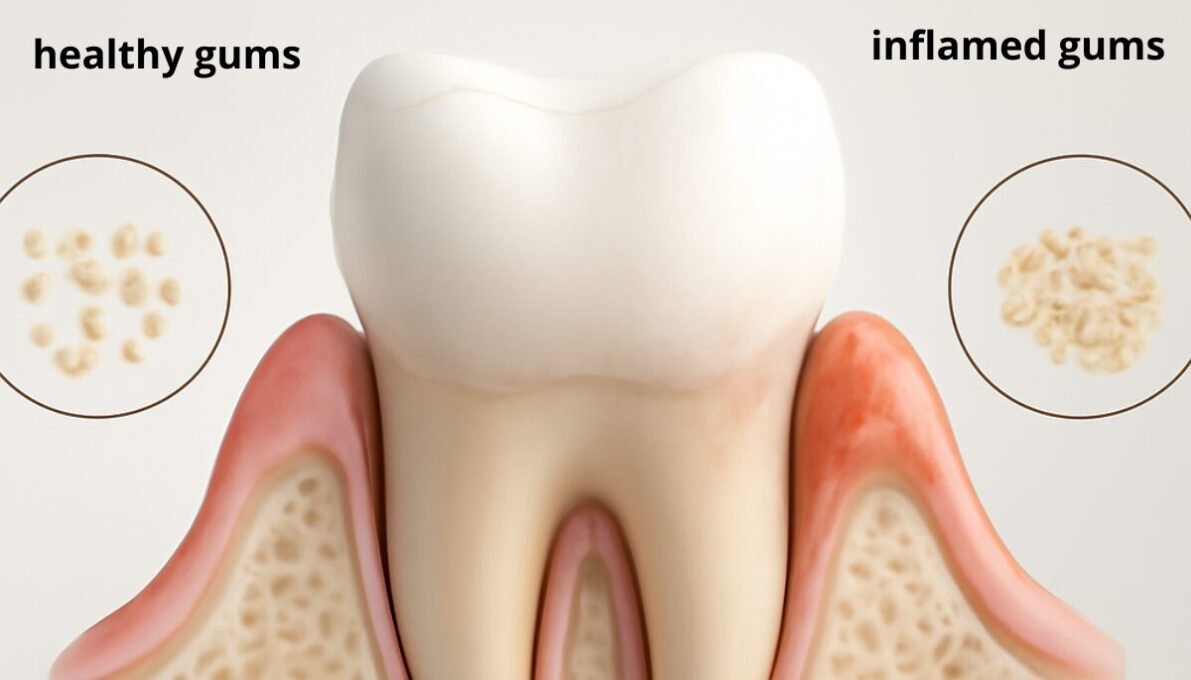
Gum disease starts with plaque, a sticky film of bacteria that forms on teeth constantly, even a few hours after brushing. When plaque isn’t removed, it hardens into tartar (calculus), a substance that only professional cleaning can remove. The bacteria in that buildup trigger an inflammatory response in the gum tissue.
The National Institute of Dental and Craniofacial Research explains that this inflammation is the body’s own immune reaction to bacterial toxins — not damage from the bacteria alone. That distinction matters clinically, because it means treatment has two jobs: removing the bacterial source and calming an immune response that, left unchecked, starts breaking down the very tissue it’s supposed to protect.
Untreated gum disease doesn’t stay contained to the mouth. Research has linked chronic periodontal inflammation to increased risks for cardiovascular disease, poorly controlled diabetes, and complications during pregnancy. That’s part of why gum disease treatment isn’t just cosmetic — it’s a factor in overall systemic health.
Gingivitis is inflammation limited to the gum tissue itself, with no bone involvement — this stage is fully reversible with proper cleaning and hygiene. That’s the core distinction that determines which treatment path applies to you.
Read also: “Safe Teeth Whitening at Home: Methods That Actually Work“
Recognizing the Stages: Gingivitis vs. Periodontitis
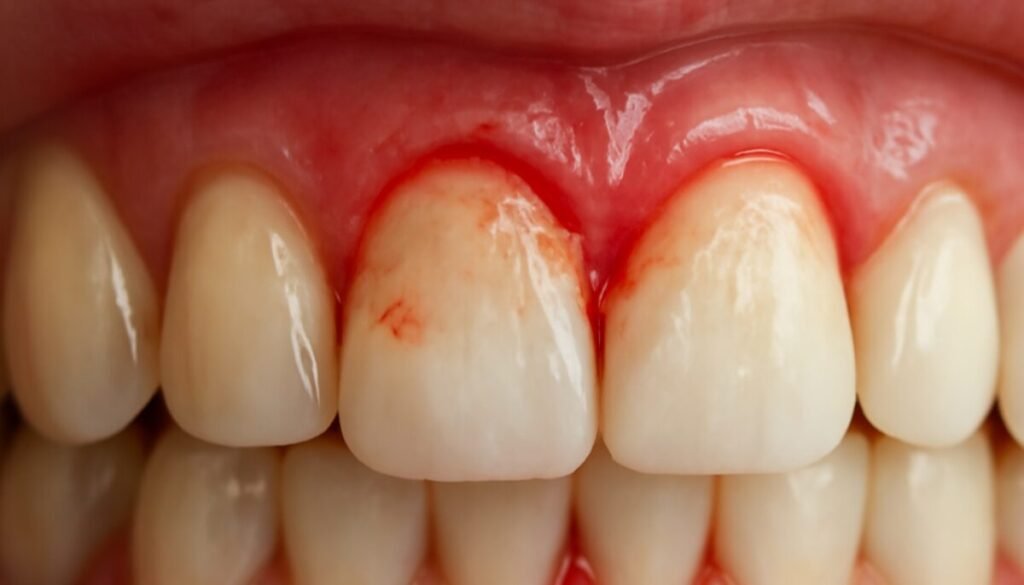
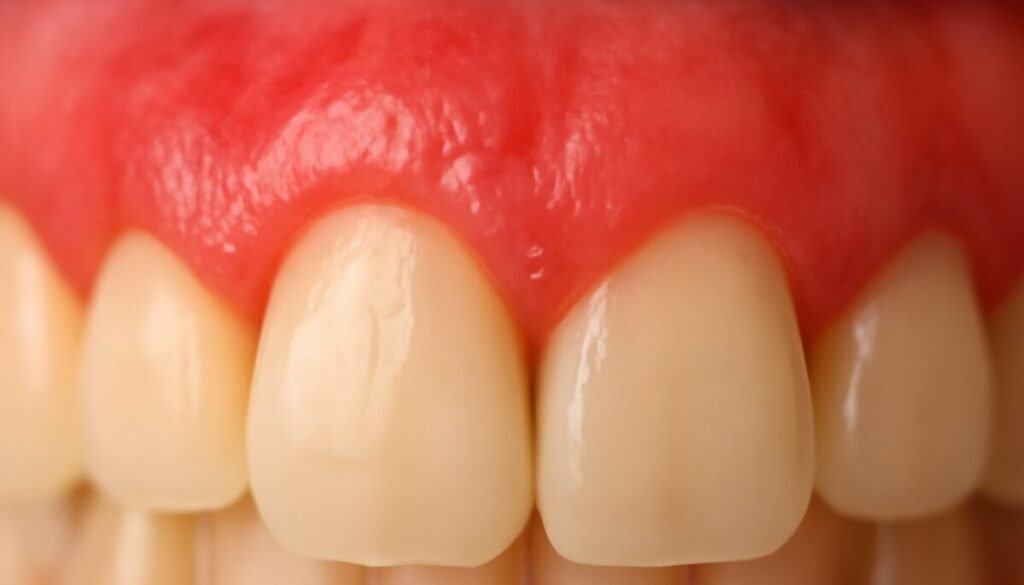
Not all gum disease looks the same, and the stage you’re in dictates which treatments are realistic options. Gingivitis produces red, swollen gums that bleed easily during brushing or flossing, but the teeth remain firmly anchored. Periodontitis goes further: the inflammation spreads below the gumline, forming pockets between teeth and gums where bacteria thrive undisturbed, and the bone that supports the teeth begins to erode.
| Stage | Key Symptoms | Bone/Tissue Damage | Reversible? | Typical Treatment |
|---|---|---|---|---|
| Gingivitis | Redness, swelling, bleeding gums | None | Yes | Professional cleaning, improved hygiene |
| Early Periodontitis | Slight gum recession, mild pocket depth (4-5mm) | Minimal bone loss | No, but manageable | Scaling and root planing |
| Moderate Periodontitis | Deeper pockets (5-6mm), loose teeth beginning | Moderate bone loss | No | Deep cleaning + antibiotics, possible laser therapy |
| Advanced Periodontitis | Significant gum recession, tooth mobility, pus | Severe bone loss | No | Flap surgery, bone/tissue grafts, possible extraction |
A dentist or periodontist measures pocket depth with a small probe during a periodontal exam, and that measurement — more than symptoms alone — determines the stage and the appropriate treatment plan.
Professional Gum Disease Treatment Options
Once a dentist confirms the stage of disease, treatment moves from home care alone into procedures designed to physically remove bacteria, reduce pocket depth, and in advanced cases, rebuild lost structure.
Scaling and Root Planing (Deep Cleaning)
Scaling and root planing is the foundation of periodontal treatment and the first step for most patients diagnosed beyond simple gingivitis. Scaling removes plaque and tartar from the tooth surface and below the gumline, while root planing smooths the root surface so gum tissue can reattach more easily and bacteria have fewer places to hide.
The procedure is typically done under local anesthesia over one or two visits, depending on how many quadrants of the mouth are affected. According to Mayo Clinic, most patients experience noticeable improvement in gum firmness and reduced bleeding within one to two weeks of the procedure.
Antibiotic and Antimicrobial Therapy
Antibiotics are rarely used alone but often support scaling and root planing. Options include topical antibiotic gels or microspheres placed directly into periodontal pockets, oral antibiotics for more widespread infection, and antimicrobial mouth rinses containing chlorhexidine for short-term use.
This layered approach targets bacteria that mechanical cleaning alone might miss, particularly in deep pockets where instruments have limited reach.
Laser Periodontal Therapy
Laser-assisted treatment uses focused light energy to remove diseased tissue and reduce bacterial load with less bleeding and discomfort than traditional surgical methods. It’s often used as an adjunct to scaling and root planing in moderate cases, and some patients prefer it for the shorter recovery window it typically allows compared to scalpel-based procedures.
Flap Surgery (Pocket Reduction Surgery)
When pockets remain deep despite non-surgical treatment, a periodontist may recommend flap surgery. The gum tissue is lifted back so tartar can be removed from deeper areas, and the tissue is then sutured back into place, fitting more snugly around the tooth to reduce pocket depth going forward.
Bone Grafts and Guided Tissue Regeneration
In cases where periodontitis has destroyed bone supporting the teeth, bone grafting introduces material — synthetic, donor, or the patient’s own bone — to encourage regrowth. Guided tissue regeneration pairs this with a small mesh-like membrane that prevents gum tissue from growing into the space too quickly, giving bone a chance to regenerate first.
Soft Tissue (Gum) Grafts
When gum recession has exposed tooth roots, a soft tissue graft takes tissue from another part of the mouth (often the palate) and attaches it to the affected area. This isn’t just cosmetic — exposed roots are more vulnerable to decay and sensitivity, so grafting protects the tooth as much as it restores appearance.
At-Home Care That Supports Professional Treatment
Professional treatment resets the baseline, but daily habits determine whether results hold. Gum disease treatment options only work long-term when paired with consistent home care.
- Brush twice daily with a soft-bristled brush, angling bristles toward the gumline at roughly 45 degrees
- Clean between teeth daily with floss, interdental brushes, or a water flosser, since brushing alone misses up to 40% of tooth surfaces
- Use an antimicrobial or fluoride mouth rinse recommended by your dentist, especially in the weeks following a procedure
- Avoid tobacco products, which the CDC identifies as one of the strongest risk factors for both developing and worsening periodontal disease
- Limit sugary and starchy foods that feed plaque-forming bacteria
- Stay consistent with professional cleanings, typically every three to four months for patients with a history of periodontitis, rather than the standard six-month interval
Quick tip: An electric toothbrush with a pressure sensor can reduce the risk of aggressive brushing, which paradoxically irritates gums further and can worsen recession over time.
What to Expect: Recovery and Maintenance After Treatment
Recovery timelines vary by procedure, but most patients follow a similar general path after non-surgical treatments like scaling and root planing.
- Days 1-3: Mild soreness and sensitivity to hot or cold are common; gums may look slightly swollen as they begin healing
- Days 4-7: Bleeding during brushing typically decreases noticeably; a soft-food diet is often recommended during this window
- Weeks 2-4: Gum tissue tightens around teeth as inflammation subsides; a follow-up visit usually checks pocket depth
- Months 1-3: Full healing is generally complete; maintenance cleanings begin on a more frequent schedule than standard checkups
Surgical procedures like flap surgery or grafting involve longer recovery, often two to four weeks before tissue is considered fully healed, with sutures removed within one to two weeks depending on the technique used.
How to Prevent Gum Disease From Returning
Periodontitis doesn’t have a cure in the sense of full reversal once bone is lost, but it can be effectively managed to prevent further progression. The American Dental Association recommends regular periodontal maintenance visits as the single most reliable factor in preventing recurrence after treatment.
Beyond professional visits, managing underlying conditions matters just as much as brushing technique. Diabetes, for example, creates a two-way relationship with gum disease: uncontrolled blood sugar worsens periodontal inflammation, and periodontal inflammation can make blood sugar harder to control. Stress, certain medications that cause dry mouth, and hormonal changes during pregnancy or menopause also increase susceptibility and deserve attention during dental visits.
Read also: “10 Common Brushing Mistakes That Are Ruining Your Smile (And How to Fix Them)“
Warning Signs You Shouldn’t Ignore
Some symptoms signal that gum disease has progressed to a point requiring prompt evaluation rather than routine monitoring.
- Gums that bleed spontaneously, not just during brushing
- Teeth that feel loose or shift position
- Persistent bad breath that doesn’t improve with brushing
- Visible pus between teeth and gums
- Gum recession severe enough to expose tooth roots
- Changes in how teeth fit together when biting down
Any of these warrants a dental evaluation sooner rather than later, since periodontitis accelerates once bone loss begins.
Gum disease treatment isn’t a one-time fix — it’s a spectrum of interventions matched to how far the condition has progressed, followed by a maintenance routine that keeps it from advancing further. Catching gingivitis early means a simple cleaning and better brushing habits can fully reverse the problem. Once periodontitis sets in, treatment shifts toward managing the disease and protecting the bone and teeth that remain. The through-line across every option, from deep cleaning to bone grafts, is that consistency — in professional visits and daily care — determines whether results last. If you’ve noticed any of the warning signs above, scheduling a periodontal evaluation is the most useful next step toward healthier gums.
Important Disclaimer
The information in this article is for informational and educational purposes only and does not replace evaluation or guidance from a qualified dental or medical professional. Always consult a dentist or periodontist before making any decisions about diagnosis or treatment for gum disease.
Frequently Asked Questions
Can gum disease be reversed without professional treatment?
Gingivitis, the earliest stage of gum disease, can sometimes improve with diligent brushing and flossing alone, but professional cleaning removes hardened tartar that home care cannot. Periodontitis, the more advanced stage involving bone loss, cannot be reversed without professional intervention.
How painful is scaling and root planing?
The procedure is performed under local anesthesia, so patients typically feel little to no pain during treatment. Mild soreness and sensitivity for a few days afterward is common and usually manageable with over-the-counter pain relief.
How much does gum disease treatment typically cost?
Costs vary widely based on severity, location, and whether insurance covers periodontal care, ranging from routine cleaning costs for gingivitis to significantly higher fees for surgical procedures like grafting. Many dental insurance plans cover a portion of non-surgical periodontal treatment, so checking coverage before treatment is recommended.
Is periodontitis contagious?
The bacteria that cause periodontitis can be transferred through saliva, such as sharing utensils or close contact, but developing the disease also depends on individual immune response and oral hygiene habits. Simply being exposed to the bacteria doesn’t guarantee someone will develop gum disease.
How often should I get dental cleanings if I’ve had gum disease?
Patients with a history of periodontitis are typically advised to schedule maintenance cleanings every three to four months, compared to the standard six-month interval for people with healthy gums. This more frequent schedule helps catch bacterial buildup before it triggers renewed inflammation.
Can gum disease affect overall health beyond the mouth?
Yes, chronic periodontal inflammation has been associated with increased risks for cardiovascular disease, poorly controlled diabetes, and pregnancy complications. The connection is thought to involve bacteria and inflammatory markers entering the bloodstream through inflamed gum tissue.
What’s the difference between a dentist and a periodontist for gum treatment?
A general dentist can diagnose and treat early-stage gum disease, including scaling and root planing. A periodontist is a specialist with additional training in treating advanced periodontitis, performing surgical procedures like flap surgery, bone grafts, and complex gum recession cases.