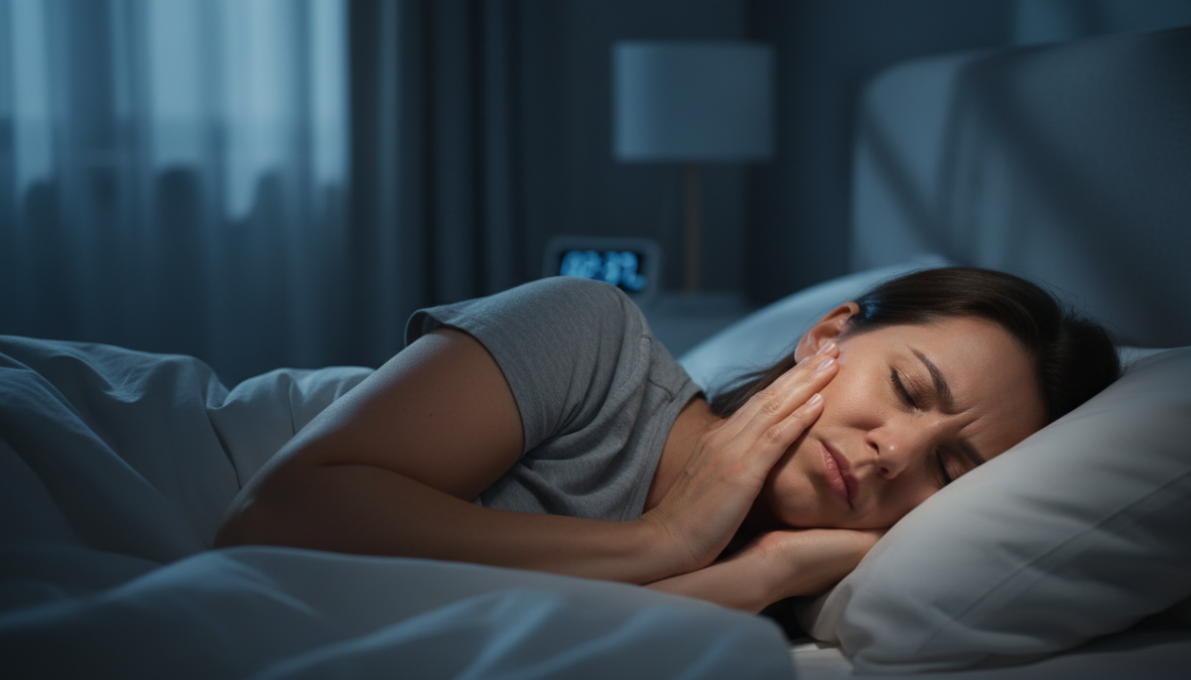
Teeth whitening at home works by using peroxide-based gels, strips, or trays to break down surface stains on enamel, typically producing a visible difference within one to three weeks of consistent use. The safest options rely on American Dental Association–accepted hydrogen or carbamide peroxide formulas rather than abrasive DIY mixtures. Results depend heavily on stain type, application method, and how well enamel is protected during the process.
A discolored smile bothers more people than most realize. According to a well-known survey by the American Academy of Cosmetic Dentistry, the majority of adults believe an unattractive smile can hurt someone’s chances in both social and professional settings. That pressure sends a lot of people straight to the whitening aisle, or to their kitchen cabinet, looking for a fast fix.
The problem is that not every method sold as “teeth whitening at home” actually does what it promises, and some can quietly damage enamel if used incorrectly. Charcoal powders, lemon juice, and baking soda scrubs are everywhere on social media, but dentists have raised real concerns about their long-term effects on tooth structure.
This guide breaks down which at-home whitening methods have actual clinical backing, how to use them without hurting your teeth, and which viral “natural” remedies are more risk than reward.
How Teeth Whitening Actually Works
Tooth discoloration happens in two layers. Surface stains sit on the enamel and come from coffee, wine, tobacco, or certain foods. Deeper stains form inside the dentin, the layer beneath enamel, often from aging, certain medications, or trauma to the tooth.
Whitening products use peroxide, either hydrogen peroxide or carbamide peroxide, which breaks down into oxygen molecules. Those molecules penetrate enamel and dentin, breaking apart the chemical bonds responsible for staining. This is an oxidation reaction, not a bleaching process in the laundry sense, though the effect looks similar: teeth appear several shades lighter.
Enamel erosion happens when acidic or overly abrasive substances wear away the outer protective layer of the tooth, exposing the yellowish dentin underneath. This is the core risk behind most whitening mistakes, and it’s why concentration and contact time matter more than most people assume.
The Mayo Clinic notes that peroxide-based products are generally safe for enamel when used at the concentrations found in over-the-counter kits, which typically range from 3% to 10% hydrogen peroxide, well below the levels used in professional in-office treatments.
Read also: “Best Electric Toothbrush 2026: Top 5 Models for Optimal Dental Care“
Types of At-Home Whitening Products Compared
Not all products work the same way, and choosing the wrong one for your stain type or sensitivity level is one of the most common reasons people feel disappointed with their results.
| Method | Active Ingredient | Time to Visible Results | Average Cost | Best For |
|---|---|---|---|---|
| Whitening strips | Hydrogen peroxide (5-14%) | 3-7 days | $20-$55 | Mild to moderate surface stains |
| Whitening trays/gel | Carbamide peroxide (10-22%) | 1-2 weeks | $25-$100 | Moderate stains, uneven coverage |
| LED whitening kits | Peroxide gel + light activation | 1-2 weeks | $30-$90 | Faster surface results |
| Whitening toothpaste | Mild abrasives, low peroxide | 2-6 weeks | $5-$15 | Maintenance, light staining |
| Charcoal/DIY remedies | Abrasive particles, acids | Rarely consistent | $5-$20 | Not clinically recommended |
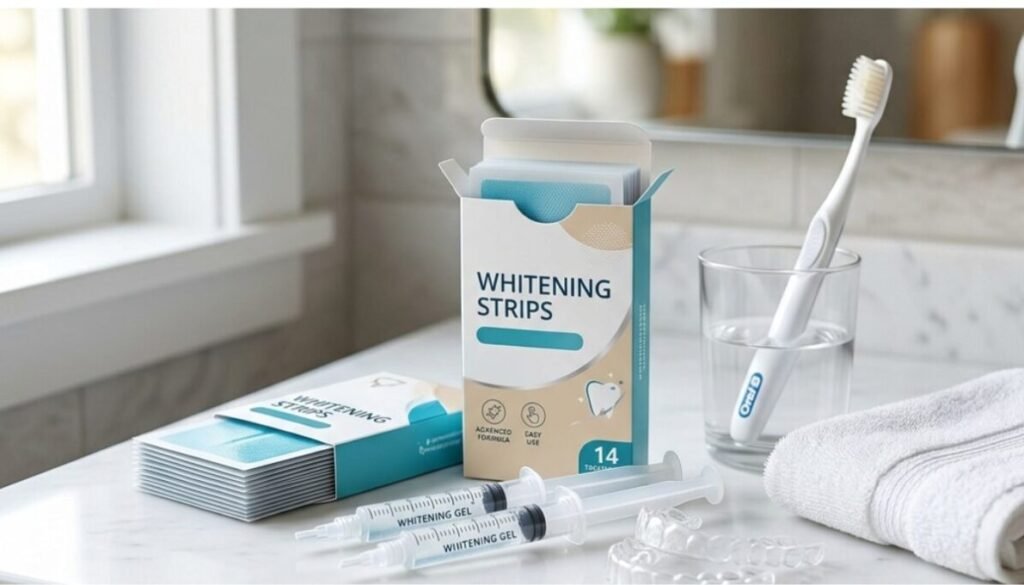
Whitening strips remain the most tested and widely used option for good reason: they deliver consistent peroxide contact with enamel and are backed by multiple clinical studies indexed on PubMed. Trays offer more customized coverage, especially for people with gaps or crowding, but they demand more discipline with wear time.
Step-by-Step: How to Whiten Teeth Safely at Home
Following the right sequence matters as much as choosing the right product. Skipping steps is where most sensitivity and enamel complaints come from.
- Get a dental cleaning first. Plaque and tartar block peroxide from reaching the tooth surface evenly, which causes patchy results.
- Choose an ADA-accepted product. Look for the American Dental Association Seal of Acceptance on strips, gels, or trays before buying.
- Follow the exact contact time on the label. Leaving strips or gel on longer than instructed increases sensitivity without improving whitening.
- Avoid staining foods and drinks for 48 hours after each session. Enamel is temporarily more porous right after peroxide exposure, so coffee, wine, and berries can re-stain faster.
- Space out treatment cycles. Most kits recommend a break of several weeks after a full cycle to let enamel and gum tissue recover.
- Use a desensitizing toothpaste if needed. Formulas with potassium nitrate can reduce the mild tingling sensation common in the first few days.
Common Mistakes That Damage Enamel or Waste Your Money
A lot of disappointing results trace back to a handful of repeated errors. Overusing whitening trays “for faster results” is the most frequent one, since more peroxide exposure doesn’t speed up the chemical reaction, it just irritates gum tissue and increases sensitivity.
Mixing baking soda with lemon juice is another common at-home trend that does real harm. The citric acid softens enamel on contact, and the abrasive baking soda then scrubs away that weakened surface layer. Once enamel is worn down this way, it does not regenerate, since enamel has no living cells capable of repair.
Skipping the patch test is a smaller but still common mistake. Applying a new whitening gel across all teeth at once, without checking for an allergic reaction on gums first, occasionally leads to irritation that could have been avoided.
Quick tip: If a whitening product causes sharp, lingering pain rather than mild tingling, stop use immediately. That level of sensitivity usually signals enamel thinning or an exposed nerve, not a normal side effect.
Natural Teeth Whitening Remedies: What Actually Works
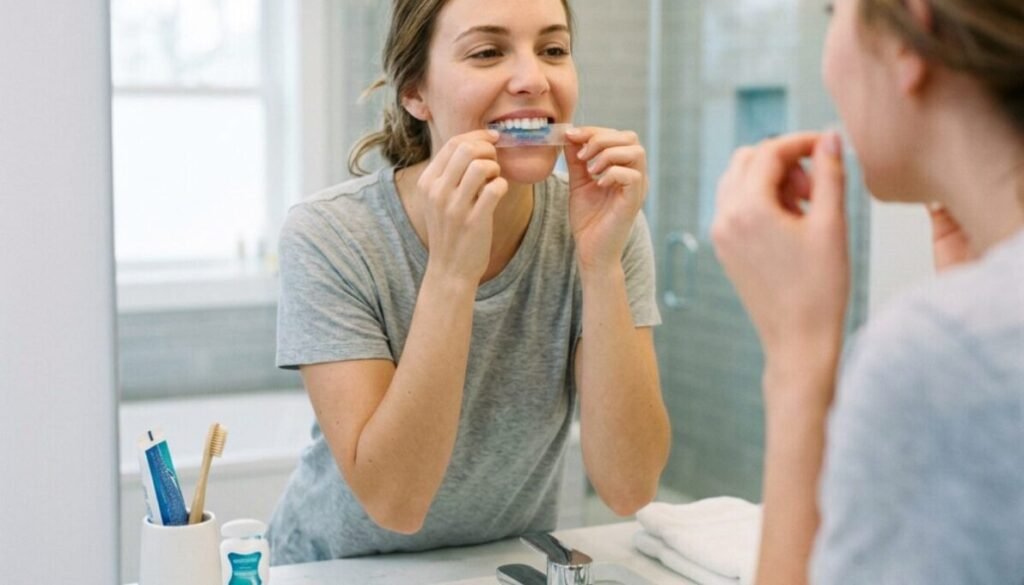
Search trends are full of natural whitening hacks, but the evidence behind most of them is thin. Oil pulling, the practice of swishing coconut or sesame oil in the mouth, has no clinical evidence supporting a whitening effect, though it may offer minor benefits for gum health according to limited studies.
Activated charcoal is marketed heavily as a natural whitener, but its abrasiveness is exactly the problem. Research reviewed by dental researchers has found no proof that charcoal safely removes deep stains, and repeated use has been linked to enamel abrasion over time.
Strawberry and baking soda pastes fall into the same category as lemon-based scrubs: the acidity does more damage than the mild whitening effect is worth. If a natural approach is preferred, the only method with reasonable support is simply reducing intake of staining foods and drinks combined with consistent brushing, which won’t dramatically whiten teeth but does prevent new surface stains from building up.
Read also: “10 Common Brushing Mistakes That Are Ruining Your Smile (And How to Fix Them)“
How to Maintain Your Results After Whitening
Whitening isn’t permanent, and most people notice some color regression within six months to a year depending on diet and habits. Using a straw for coffee, tea, and dark sodas reduces direct contact between staining liquids and front teeth.
Touch-up treatments every few months, using the same product at a lower frequency, tend to maintain results better than waiting for stains to fully return before starting over. Rinsing with water after meals and drinks also helps limit how long staining compounds sit on enamel.
When At-Home Whitening Isn’t Enough
Some discoloration simply doesn’t respond to peroxide-based products. Stains caused by certain antibiotics taken during childhood, or by trauma to a tooth’s nerve, sit deep in the dentin and usually require professional treatment like veneers or in-office bleaching at higher concentrations.
Persistent tooth sensitivity that doesn’t improve after stopping whitening products, visible gum recession, or uneven graying rather than yellowing are all signs worth having evaluated by a dentist rather than treated with another round of over-the-counter product.
Teeth whitening at home can deliver real, visible results when the right products and timing are used, but it isn’t a one-size-fits-all fix. Strips and trays with ADA-accepted peroxide levels remain the most reliable options, while viral natural remedies like charcoal or lemon scrubs tend to cause more harm than benefit. Paying attention to contact time, spacing out treatments, and watching for warning signs of enamel damage makes the difference between a brighter smile and a damaged one. If your results stall or sensitivity lingers, that’s usually the signal to get a professional opinion rather than push harder with more product.
Important Notice
The information in this article is for educational purposes only and does not replace professional dental evaluation or advice. Always consult a licensed dentist before starting any teeth whitening treatment, especially if you have existing dental work, gum disease, or persistent tooth sensitivity.
Frequently Asked Questions
How long does at-home teeth whitening take to show results?
Most whitening strips and gels show a visible difference within three to seven days of daily use, with full results typically appearing after one to two weeks of a complete treatment cycle.
Is teeth whitening bad for enamel?
ADA-accepted, peroxide-based products are generally safe for enamel when used as directed. Damage usually comes from misuse, such as leaving products on too long or using abrasive DIY mixtures like baking soda and lemon juice.
Can I whiten teeth naturally without chemicals?
There is no natural remedy with strong clinical evidence for significantly whitening teeth. Reducing staining foods and drinks, combined with consistent brushing, helps prevent new stains but won’t reverse existing discoloration the way peroxide-based products do.
How often can I safely whiten my teeth at home?
Most manufacturers recommend one full treatment cycle followed by several weeks of rest before repeating. Whitening more frequently than instructed increases the risk of gum irritation and tooth sensitivity without improving results.
Why do my teeth hurt after whitening?
Mild, temporary sensitivity is a normal response to peroxide penetrating enamel to reach dentin. Sharp or lasting pain, however, may indicate enamel thinning or gum irritation and should prompt a pause in treatment.
What’s the difference between whitening strips and whitening trays?
Strips are pre-shaped and easier to use but may not reach every tooth surface evenly, especially in crowded or gapped smiles. Trays conform more closely to individual tooth shape, often giving more even coverage but requiring more consistent daily use.
Do whitening toothpastes actually work?
Whitening toothpastes primarily remove surface stains through mild abrasives and low peroxide levels, making them useful for maintenance rather than dramatic color change. They won’t produce the same shade improvement as strips, trays, or professional treatments.

My relationship with health and wellness began on a personal level, looking for practical ways to improve my own routine: more movement, more mindful eating, and basic oral care habits that, over time, made a real difference in my quality of life. It was this ongoing process of learning — testing, researching, and adjusting — that motivated me to share what I learn with others on the same journey.