
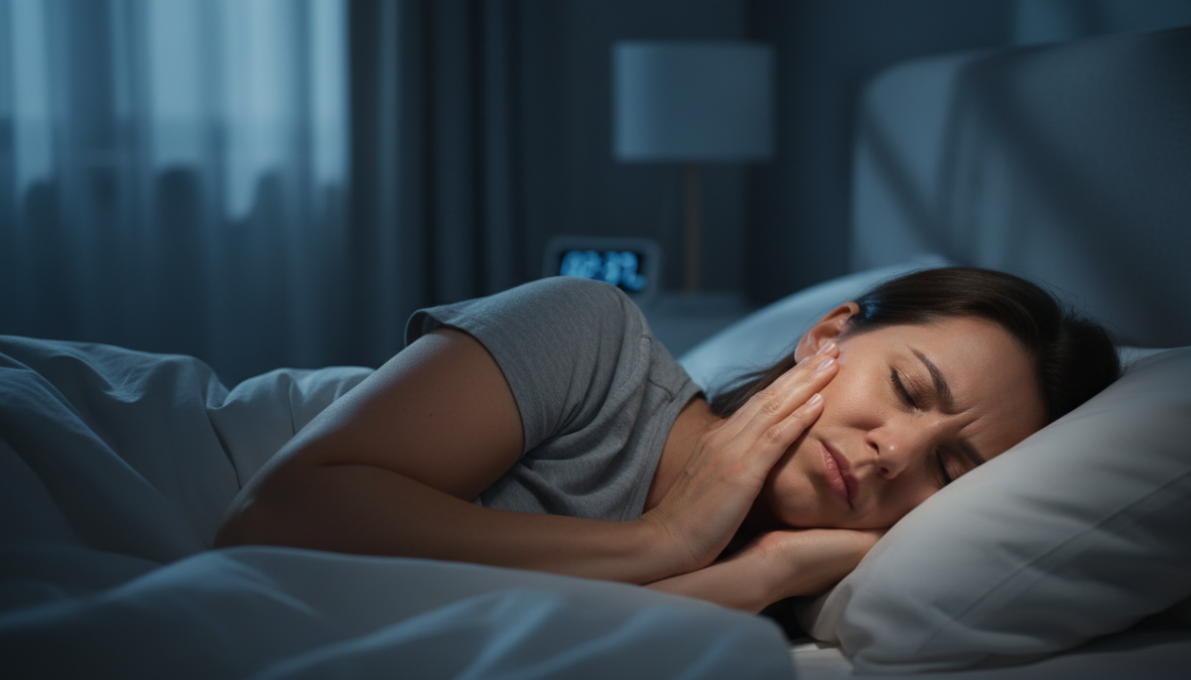
Teeth grinding solutions typically combine protective devices, stress management, and correction of underlying dental or sleep issues. Bruxism, the medical term for teeth grinding or clenching, most often occurs during sleep and can wear down enamel, trigger jaw pain, and disrupt rest. Understanding what drives it makes it far easier to find a solution that actually works.
If you wake up with a sore jaw, dull headaches, or a partner who complains about grinding noises at night, you’re not imagining things. Sleep bruxism affects a meaningful share of adults, with sleep medicine researchers estimating that somewhere between 8% and 16% of the adult population grinds their teeth during sleep, and the rate is even higher among children. Left unaddressed, chronic grinding can lead to cracked teeth, gum recession, and long-term jaw joint damage. The encouraging part is that teeth grinding solutions exist for nearly every underlying cause, from simple lifestyle adjustments to custom-fitted dental devices. This article breaks down why bruxism happens, how to recognize it, and which treatments dentists and sleep specialists actually recommend.
What Causes Teeth Grinding at Night?
Sleep bruxism rarely has a single cause. It’s usually the result of overlapping factors that increase muscle activity in the jaw during sleep.
Stress and anxiety are the most commonly cited triggers. When the nervous system stays activated even during rest, the muscles controlling the jaw can contract involuntarily, producing grinding or clenching episodes throughout the night. People going through high-pressure periods at work or major life transitions often notice their grinding gets worse during those stretches, then eases once the stressor resolves.
Sleep disorders also play a significant role. Obstructive sleep apnea, in particular, has a well-documented association with bruxism — some researchers believe grinding may actually be a protective reflex that helps reopen a partially blocked airway. Anyone diagnosed with sleep apnea who also grinds their teeth should mention both conditions to their doctor, since treating the apnea sometimes reduces the grinding as a side effect.
Other contributing factors include:
- Misaligned teeth or an abnormal bite (malocclusion)
- Certain medications, particularly some antidepressants (SSRIs)
- High caffeine or alcohol intake, especially close to bedtime
- Smoking, which studies link to a higher incidence of nighttime grinding
- Genetics — bruxism tends to run in families
Read also: “Dental Implants: Complete Guide to Cost, Benefits, and Care“
Recognizing the Symptoms of Bruxism
Sleep bruxism is a condition where a person grinds or clenches their teeth unconsciously during sleep, often without realizing it until a dentist spots the wear pattern or a partner reports the noise. Because it happens while you’re unconscious, many people go years without a diagnosis.
Common warning signs include:
- Flattened, chipped, or loose teeth
- Increased tooth sensitivity to hot or cold
- A dull, persistent headache upon waking, usually at the temples
- Jaw soreness, tightness, or a clicking sound when opening the mouth
- Facial pain that mimics an earache
- Disrupted sleep, either for the person grinding or their partner
If several of these apply to you, it’s worth bringing them up at your next dental visit rather than waiting for the damage to become obvious on an X-ray.
How Dentists Diagnose Bruxism
Diagnosis usually starts with a routine dental exam. Dentists look for telltale signs — flattened cusps, enamel loss, small fractures, and indentations on the tongue or inner cheek caused by clenching. They’ll also ask about jaw pain, morning headaches, and any awareness of grinding sounds reported by a partner.
In cases where sleep apnea is suspected as an underlying trigger, a doctor may recommend a polysomnography (sleep study), which records muscle activity, breathing patterns, and brain waves overnight. This helps distinguish sleep bruxism from other causes of jaw pain, such as temporomandibular joint (TMJ) disorders that aren’t related to grinding at all.
Sleep Bruxism vs. Awake Bruxism
Not all teeth grinding happens at night. Awake bruxism tends to involve clenching rather than the rhythmic grinding seen during sleep, and it’s usually tied more directly to stress or concentration than to sleep architecture.
| Feature | Sleep Bruxism | Awake Bruxism |
|---|---|---|
| When it occurs | During sleep, often unconsciously | While awake, during stress or focus |
| Typical trigger | Sleep disorders, genetics, stress | Anxiety, concentration, emotional tension |
| Movement type | Grinding and clenching | Mostly clenching |
| Awareness | Usually unaware unless told by others | Often self-aware once pointed out |
| Common treatment | Night guard, addressing sleep disorders | Behavioral awareness, stress techniques |
Knowing which type you have matters because the treatment approach differs. Awake bruxism responds well to habit-awareness techniques, while sleep bruxism generally requires a physical barrier like a night guard plus, if applicable, treatment of an underlying sleep disorder.
Read also: “Orthodontic Treatment Options: Braces vs Invisalign“
Effective Teeth Grinding Solutions
There isn’t a single fix that works for everyone, which is why treatment usually combines a few approaches based on the root cause.
| Solution | How It Helps | Best For |
|---|---|---|
| Custom night guard | Cushions teeth, prevents enamel wear | Nearly all sleep bruxism cases |
| Stress management (therapy, CBT) | Reduces nervous system overactivation | Stress-triggered grinding |
| Dental correction (orthodontics) | Fixes bite misalignment | Malocclusion-related bruxism |
| Sleep apnea treatment (CPAP) | Addresses airway obstruction | Bruxism linked to sleep apnea |
| Botox injections | Relaxes overactive jaw muscles | Severe, treatment-resistant cases |
| Medication review | Removes or adjusts triggering drugs | Medication-induced bruxism |
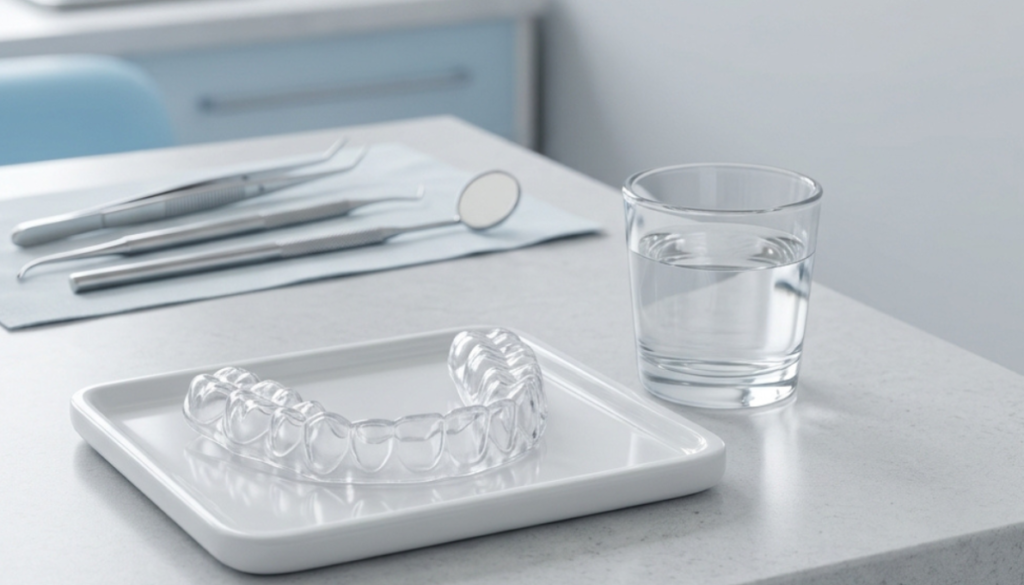
A custom-fitted night guard, made by a dentist rather than bought over the counter, is the most widely recommended first step because it directly protects teeth from wear while other underlying causes are being investigated. Over-the-counter options exist, but they tend to fit less precisely and can shift during the night.
For people whose grinding is clearly tied to stress, cognitive behavioral therapy (CBT) and relaxation techniques such as progressive muscle relaxation or guided breathing before bed have shown real benefit in reducing nighttime muscle activity. This isn’t a placebo effect — lowering baseline muscle tension genuinely reduces the frequency of grinding episodes for many patients.
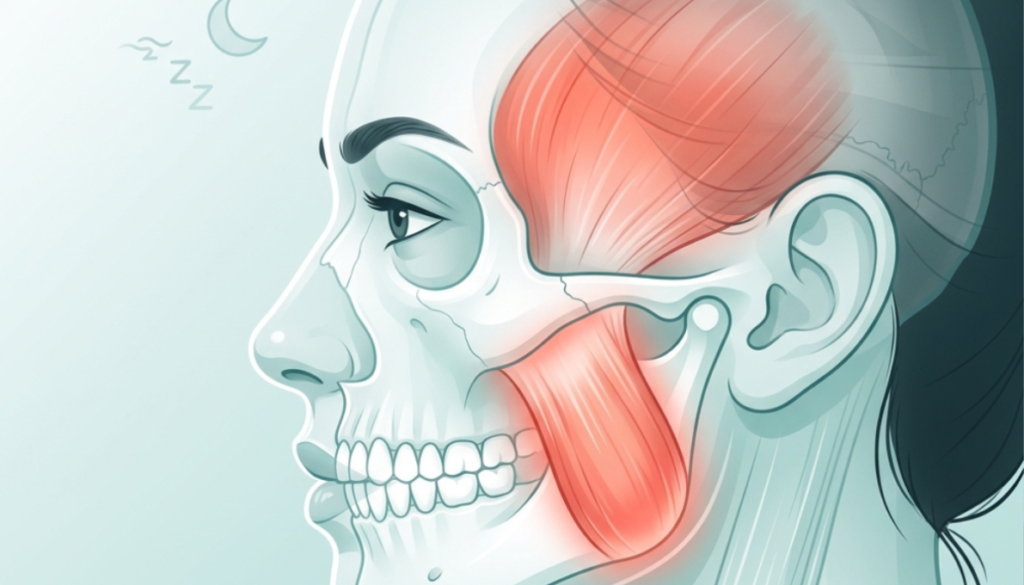
In cases where standard approaches don’t bring enough relief, some dentists and specialists turn to Botox injections in the jaw muscles (masseter), which temporarily reduce the force of clenching. This is typically reserved for more severe or resistant cases rather than a first-line treatment.
Lifestyle Changes That Reduce Nighttime Grinding
Alongside professional treatment, daily habits make a measurable difference for many people managing bruxism:
- Cut back on caffeine and alcohol, especially in the hours before bed, since both are known to increase muscle activity during sleep.
- Establish a wind-down routine — dimming lights, avoiding screens, or light stretching — to lower overall tension before sleep.
- Apply a warm compress to the jaw before bed to relax the muscles that control clenching.
- Practice conscious jaw relaxation during the day; simply noticing and releasing clenching when awake can reduce the habit at night too.
- Stay consistent with sleep schedule, since irregular sleep patterns are linked to more fragmented, tension-heavy sleep.
None of these replace a night guard if enamel wear is already present, but they address the underlying tension that often drives the grinding in the first place.
Quick tip: If you wake up with jaw soreness only on certain mornings, keep a brief sleep and stress journal for two weeks. Many people find a clear pattern linking grinding nights to specific stressors, late caffeine, or poor sleep quality — information that’s genuinely useful to bring to a dentist.
When to See a Dentist or Doctor
Occasional mild grinding usually isn’t an emergency, but certain signs warrant a professional evaluation sooner rather than later: visible tooth damage, jaw pain that doesn’t improve, frequent morning headaches, or a partner reporting loud, consistent grinding. A dentist can assess enamel wear directly, and if sleep apnea is suspected, a referral to a sleep specialist is the appropriate next step.
Final Thoughts
Teeth grinding at night is common, but it isn’t something to simply live with. Between custom night guards, stress management, and treatment of underlying conditions like sleep apnea or bite misalignment, most people find meaningful relief once the actual cause is identified. The first real step is talking to a dentist about the wear pattern on your teeth — from there, matching the right teeth grinding solution to your specific trigger becomes far more straightforward than it sounds.
Important disclaimers
The information in this article is for informational and educational purposes only and does not replace evaluation or guidance from a qualified healthcare or dental professional. Always consult a dentist or doctor before making decisions about diagnosis or treatment for bruxism or related conditions.
Frequently Asked Questions
Is teeth grinding at night dangerous?
Untreated chronic grinding can wear down enamel, crack teeth, and strain the jaw joint over time. It’s rarely an emergency on its own, but persistent grinding should be evaluated by a dentist to prevent long-term damage.
Can teeth grinding go away on its own?
Yes, in some cases, especially when it’s tied to a temporary stressor. Once the stress resolves, grinding frequency often decreases. However, if it’s linked to sleep apnea, bite issues, or genetics, it usually needs active treatment.
Do mouthguards actually stop teeth grinding?
Night guards don’t stop the underlying muscle activity, but they protect teeth from the physical damage caused by grinding, which is the main concern for most patients.
Is bruxism linked to anxiety?
Yes, stress and anxiety are among the most common triggers for both sleep and awake bruxism, since heightened nervous system activity increases involuntary jaw muscle contractions.
Can children grind their teeth too?
Yes, bruxism is common in children and often resolves on its own as their bite develops and adult teeth come in, though a dentist should still monitor it.
What’s the difference between clenching and grinding?
Clenching involves pressing the upper and lower teeth together without movement, while grinding involves a lateral, rhythmic motion. Both fall under the umbrella of bruxism and can cause similar damage.
Should I be worried if my partner says I grind my teeth?
It’s worth mentioning to a dentist at your next visit, especially if you also notice jaw soreness or headaches. Not every case requires treatment, but a professional can check for early enamel wear.