
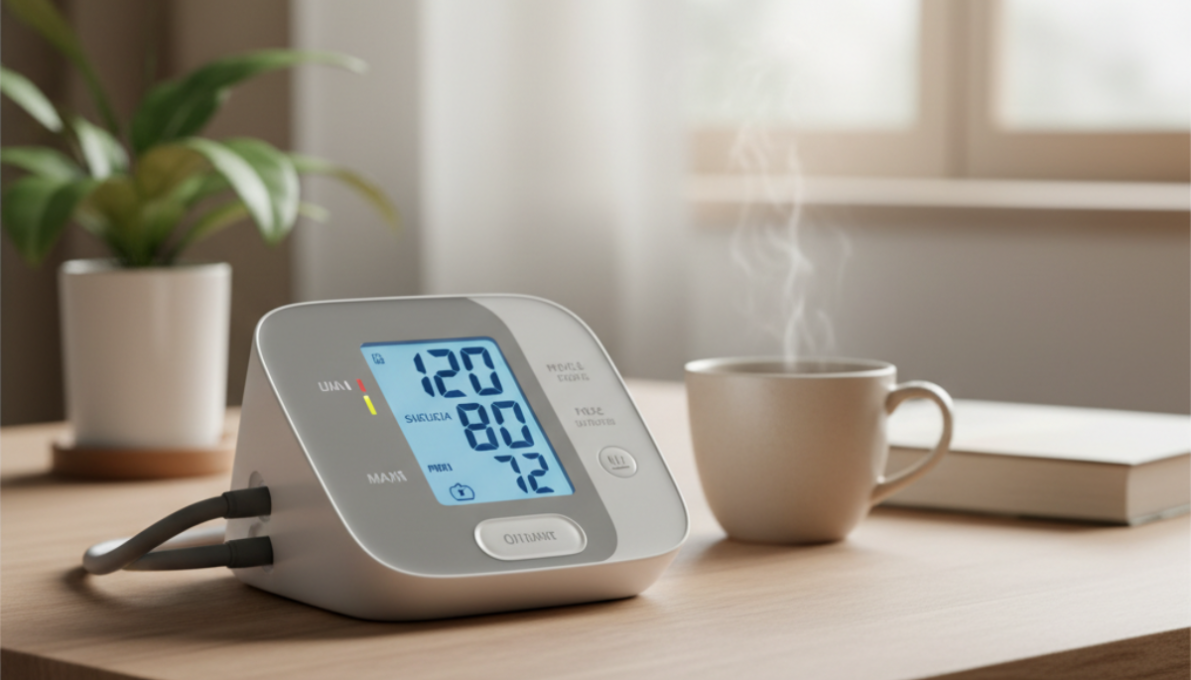
Blood pressure management relies on consistent lifestyle habits: reducing sodium, increasing potassium-rich foods, exercising regularly, managing stress, and maintaining a healthy weight. Research shows combined lifestyle changes can lower systolic blood pressure by 10-20 mmHg, an effect comparable to a single antihypertensive medication in mild cases. Small, sustained changes produce the most durable results.
Why Small Changes Add Up
If you’ve recently seen a higher-than-expected number on a home monitor or at a checkup, you’re not alone. Nearly half of American adults live with blood pressure readings above the healthy range, and many don’t feel any symptoms at all — which is exactly why hypertension earned the nickname “the silent condition.” The encouraging part is that blood pressure management doesn’t always start with a prescription. For many people, especially those in the earlier stages, food choices, movement, sleep quality, and stress habits move the needle in a meaningful way.
This guide walks through the lifestyle strategies with the strongest track record: what to eat, how to move, how to manage stress, and how to track progress at home. Each section explains not just what to do, but why it works physiologically, so the changes make sense rather than feeling arbitrary.
Understanding Blood Pressure: What the Numbers Mean
Blood pressure is recorded as two numbers: systolic (pressure when the heart beats) over diastolic (pressure when the heart rests between beats). A reading below 120/80 mmHg is generally considered normal for most adults. Numbers consistently at or above 130/80 mmHg fall into elevated or hypertensive ranges, according to current American Heart Association guidelines.
Elevated pressure forces the heart and blood vessels to work harder over time, gradually damaging artery walls and increasing the risk of heart attack, stroke, and kidney disease. The good news is that blood pressure is remarkably responsive to behavior — unlike some chronic conditions, meaningful drops can appear within weeks of consistent changes.
Read also: “Anti-Inflammatory Foods: Eat to Reduce Chronic Inflammation“
Dietary Approaches That Lower Blood Pressure
Diet is often the single most impactful lever in blood pressure management. Two eating patterns stand out in clinical research: the DASH diet (Dietary Approaches to Stop Hypertension) and the Mediterranean diet. Both emphasize whole foods, but they differ slightly in structure and emphasis.
DASH diet is the approach to blood pressure management with the largest body of controlled clinical evidence. It focuses on fruits, vegetables, whole grains, and low-fat dairy while sharply limiting sodium, red meat, and added sugar. Clinical trials have shown DASH can lower systolic pressure by roughly 8-14 mmHg within two weeks of adoption.
| Dietary Pattern | Core Focus | Typical Systolic Reduction | Best For |
|---|---|---|---|
| DASH Diet | Low sodium, high potassium, low-fat dairy | 8-14 mmHg | Structured, measurable results |
| Mediterranean Diet | Healthy fats, fish, legumes, moderate wine | 4-8 mmHg | Long-term sustainability, heart health |
| General Low-Sodium Diet | Sodium reduction only (<1,500-2,300 mg/day) | 2-8 mmHg | Simple first step |
Sodium reduction deserves particular attention. The average American consumes far more sodium than the recommended daily limit of 2,300 mg (about one teaspoon of salt), with much of it hidden in processed foods, bread, and restaurant meals rather than added at the table. Cutting back to 1,500 mg per day — the amount recommended for people with existing hypertension — produces even greater benefit.
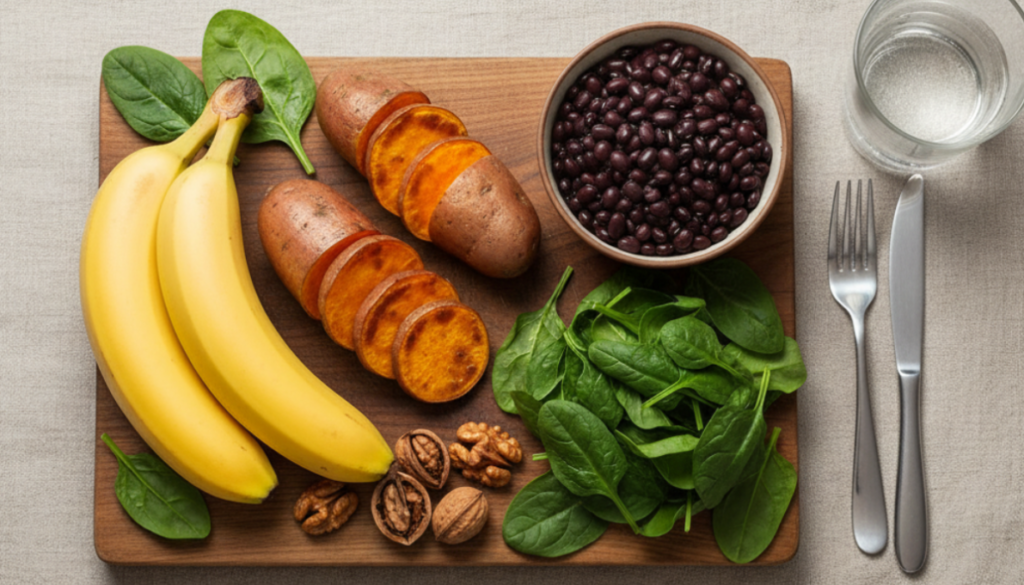
Potassium works as sodium’s counterbalance: it helps the kidneys excrete excess sodium and relaxes blood vessel walls. Foods naturally rich in potassium include bananas, sweet potatoes, spinach, beans, and yogurt. Most adults benefit from increasing potassium intake through food rather than supplements unless a doctor recommends otherwise, since certain kidney conditions make potassium supplementation risky.

Physical Activity and Blood Pressure Management
Exercise lowers blood pressure through several mechanisms: it strengthens the heart muscle so it pumps more efficiently, improves blood vessel elasticity, and helps regulate stress hormones that constrict arteries. The effect isn’t just theoretical — regular aerobic exercise can lower systolic pressure by 4-9 mmHg, an effect similar to some blood pressure medications.
The routines with the strongest evidence base for blood pressure management include:
- Brisk walking for 30 minutes, five days a week — the most accessible starting point for most people.
- Moderate-intensity cycling or swimming, three to four sessions weekly, building toward 150 minutes total.
- Resistance training twice a week, targeting major muscle groups, which complements aerobic work rather than replacing it.
- Interval walking (alternating brisk and relaxed pace) for those who find steady-state cardio monotonous.
Consistency matters more than intensity. A person who walks briskly most days of the week typically sees better long-term blood pressure control than someone who does occasional intense workouts.
Stress Management Techniques
Chronic stress triggers repeated surges of cortisol and adrenaline, both of which temporarily constrict blood vessels and raise heart rate. Over months and years, these repeated spikes contribute to sustained hypertension, even in people who eat well and exercise.
Practices with demonstrated benefit for blood pressure management include slow diaphragmatic breathing (six breaths per minute for ten minutes, shown in several studies to produce measurable drops during the session itself), mindfulness meditation, and progressive muscle relaxation. Even brief daily practice — five to ten minutes — appears to have a cumulative calming effect on the nervous system’s blood pressure response over weeks.
A quick fact worth remembering: blood pressure naturally fluctuates throughout the day and can spike temporarily due to stress, caffeine, or physical activity — a single high reading isn’t a diagnosis, but a consistent pattern across multiple readings is what matters clinically.
Sleep, Alcohol, and Smoking
Poor sleep quality, particularly sleep apnea, is one of the most overlooked contributors to hypertension. During apnea episodes, oxygen drops trigger stress responses that raise blood pressure repeatedly through the night, and this pattern often persists into waking hours. Adults who consistently sleep less than six hours per night show measurably higher rates of hypertension compared to those getting seven to eight hours.
Alcohol has a dose-dependent relationship with blood pressure: moderate drinking may have a neutral or even mildly beneficial cardiovascular profile for some individuals, but consumption above one drink daily for women or two for men is associated with rising blood pressure over time. Smoking causes an immediate, sharp spike in blood pressure with each cigarette due to nicotine’s effect on blood vessels, and chronic use stiffens artery walls permanently over years.
Weight Management
Excess body weight, particularly around the abdomen, is strongly linked to elevated blood pressure through several pathways: increased blood volume, hormonal changes affecting the kidneys, and greater strain on the cardiovascular system. Research consistently shows that losing even 5-10% of body weight can lower systolic blood pressure by 5-10 mmHg in people who are overweight.
This doesn’t require dramatic transformation — a gradual, sustainable rate of loss (roughly one to two pounds per week) tends to produce more lasting blood pressure improvement than rapid weight loss, which can trigger compensatory stress responses in the body.
Monitoring Your Blood Pressure at Home
Home monitoring gives a more accurate picture than occasional clinic visits, since some people experience “white coat syndrome” — elevated readings specifically in medical settings due to anxiety. To get reliable readings:
- Sit quietly for five minutes before measuring, with feet flat on the floor and back supported.
- Keep the arm at heart level, supported on a table rather than hanging.
- Avoid caffeine, exercise, and smoking for 30 minutes beforehand.
- Take two readings, one minute apart, and record the average.
- Measure at roughly the same times each day for consistent tracking.
Tracking readings over two to four weeks, rather than reacting to a single number, gives both you and your healthcare provider a much clearer picture of true blood pressure management progress.
Read also: “Magnesium Deficiency: Signs You Need More of This Mineral“
When Lifestyle Changes Aren’t Enough
For some people, particularly those with more advanced hypertension, family history, or additional risk factors like diabetes, lifestyle changes alone may not bring numbers into a healthy range. This isn’t a failure of effort — blood pressure regulation involves genetics, kidney function, and hormonal factors that diet and exercise can influence but not always fully control. In these cases, medication combined with continued lifestyle habits typically produces the best outcomes, since the two approaches work through complementary mechanisms rather than competing ones.
Bringing It All Together
Blood pressure management works best as a combination of habits rather than a single fix: reducing sodium while increasing potassium-rich foods, moving your body most days of the week, managing stress through breathing or mindfulness practices, protecting sleep quality, and maintaining a healthy weight. None of these changes need to happen overnight — even adopting one or two consistently often produces a measurable shift within a few weeks. Track your numbers, notice what’s working, and treat this as an ongoing practice rather than a temporary fix.
Important disclaimers
The information in this article is intended for educational and informational purposes only and does not replace evaluation or guidance from a qualified healthcare professional. Always consult a doctor before making decisions about your treatment, diagnosis, or medication.
Frequently Asked Questions
How quickly can lifestyle changes lower blood pressure?
Noticeable changes often appear within two to four weeks of consistent dietary and exercise changes, though individual results vary based on starting blood pressure, weight, and adherence to the new habits.
Can I lower my blood pressure without medication?
Many people with mildly elevated blood pressure can achieve meaningful reductions through diet, exercise, and stress management alone, but those with moderate to severe hypertension often need medication alongside lifestyle changes for full control.
What foods should I avoid for blood pressure management?
Processed and packaged foods, deli meats, canned soups, and restaurant meals tend to be the largest sources of excess sodium, along with added sugars found in sodas and packaged snacks.
Does caffeine raise blood pressure?
Caffeine can cause a temporary spike in blood pressure lasting a few hours, particularly in people who don’t consume it regularly, though habitual coffee drinkers often develop some tolerance to this effect.
How much salt is too much per day?
Health authorities generally recommend limiting sodium to 2,300 mg per day for most adults, with 1,500 mg recommended for those who already have high blood pressure.
Is walking enough exercise to lower blood pressure?
Yes, brisk walking for 30 minutes most days of the week is one of the most well-supported forms of exercise for blood pressure management, producing measurable reductions comparable to more intense workout routines.
Can stress alone cause high blood pressure?
Chronic, ongoing stress can contribute to sustained high blood pressure over time through repeated hormonal surges, though occasional acute stress typically causes only temporary spikes rather than lasting hypertension.