Hydration importance refers to maintaining enough body water for normal temperature control, circulation, digestion, physical performance, and brain function. Daily needs vary with body size, food intake, weather, activity, pregnancy, and health. For most people, thirst plus regular fluid intake provides a practical starting point.
Many people look for a single “eight glasses a day” rule, but hydration is more personal than that. Your water needs can shift noticeably from one day to the next: a sedentary day in a cool office is very different from a humid afternoon walk, a demanding workout, or a day with fever or stomach upset.
Understanding hydration importance helps you move beyond arbitrary bottle targets. It means learning how your body gets water, recognizing when your needs rise, and using simple signs—such as thirst and urine color—to adjust your intake without turning drinking water into a full-time job.
The U.S. National Academies estimates that average total water intake—from drinks and food combined—is about 3.7 liters daily for men and 2.7 liters for women, though individual needs differ substantially. Their guidance also notes that food contributes roughly 20% of water intake for many people. The useful goal is not perfection; it is consistent, appropriate hydration.
Hydration Importance: Why Water Matters Every Day
Water is involved in nearly every major process that keeps the body functioning. It helps transport nutrients, supports blood volume, lubricates joints, aids digestion, removes waste through urine, and helps regulate internal temperature through sweating.
Even modest fluid losses can affect how you feel. A 2019 review in Nutrients reported that mild dehydration may be associated with changes in mood, alertness, and perceived effort, although effects vary across people and settings. That is why a mid-afternoon headache, unusual fatigue, or difficulty concentrating can sometimes have a very simple contributor: you may not have had enough to drink.
The hydration importance of water is not about drinking the largest possible amount. It is about replacing the fluid your body loses through breathing, sweat, urine, and digestion so your body can perform routine functions efficiently.
Daily water balance is dynamic. You lose water overnight, through breathing and skin evaporation, during exercise, and when using the bathroom. You replace it through plain water, other beverages, and water-rich foods such as fruit, vegetables, soups, yogurt, and oatmeal.
Hydration supports physical performance
Sweating is essential for cooling the body, especially in warm conditions or during exercise. But sweat loss also reduces body water. When fluid losses are not replaced, exercise can feel harder and heat-related illness risk rises—particularly during long, intense, or outdoor activity.
The practical takeaway is straightforward: do not wait until you feel severely thirsty after a hard workout. Begin exercise reasonably hydrated, drink according to thirst during most routine sessions, and deliberately replace fluids afterward.
Hydration and mental clarity
Hydration does not instantly transform concentration into superpowers—sadly, no glass of water can replace sleep—but inadequate fluid intake can make normal tasks feel more difficult. Research on mild dehydration has found potential changes in attention, fatigue, and mood in some adults.
If your focus repeatedly dips, consider the broader picture: sleep, meals, stress, caffeine, screen time, and fluid intake all matter. Hydration is one useful foundation, not a magic fix.
Read also: “Meal Prep for Weight Loss: Simple Recipes and Strategies“
How Much Water Do You Need Daily?
There is no universal number of glasses that fits every adult. A more accurate approach begins with population-level estimates and then adjusts for your life.
The National Academies’ adequate intake levels for total water include water from beverages and food:
| Group | Average daily total water intake | What this includes |
|---|---|---|
| Adult women | About 2.7 L (91 oz) | Drinks and moisture from foods |
| Adult men | About 3.7 L (125 oz) | Drinks and moisture from foods |
| Pregnant women | About 3.0 L (101 oz) | Drinks and moisture from foods |
| Breastfeeding women | About 3.8 L (128 oz) | Drinks and moisture from foods |
These are reference estimates, not mandatory targets for every person. They are also not instructions to drink that exact amount of plain water. Food often supplies a meaningful share, especially when meals include produce, soups, dairy, and other high-moisture foods.
European Food Safety Authority guidance uses different reference values—around 2.0 liters of total water per day for women and 2.5 liters for men—illustrating an important point: authoritative organizations provide population estimates, but personal needs remain variable.
The U.S. National Academies estimates that average total water intake—from drinks and food combined—is about 3.7 liters daily for men and 2.7 liters for women.
A practical way to estimate your needs
Instead of forcing a fixed number, use a three-part method:
- Start with regular fluid intake across the day. Keep water available at meals and between them rather than trying to “catch up” with a huge amount at night.
- Use body signals. Thirst is useful for most healthy adults in everyday situations. Pale yellow urine often suggests adequate hydration, while consistently dark yellow urine may suggest you need more fluids.
- Adjust for circumstances. Add fluids when you exercise, spend time in heat, have a fever, experience vomiting or diarrhea, or are at higher altitude.
This approach is more sustainable than rigid rules because it responds to what your day actually demands.
Practical hydration tip: Aim for regular drinking opportunities, not water “challenges.” A glass with meals, a refillable bottle during work, and a drink after activity usually work better than trying to consume several liters in a short period.
What Changes Your Daily Water Needs?
The question “How much water should I drink?” has an honest but slightly inconvenient answer: it depends. Several variables can increase or decrease your needs.
Activity level and sweat rate
Exercise increases fluid loss through sweat, but the amount can vary widely. A person doing gentle yoga indoors may need little adjustment. Someone running for an hour in high heat may lose substantially more fluid.
For longer or more demanding training sessions, weighing yourself before and after exercise can offer a personal estimate of sweat loss. A lower post-exercise body weight generally indicates fluid loss; the goal afterward is to restore fluids gradually, ideally alongside a normal meal or snack.
Heat, humidity, and altitude
Hot conditions increase sweating. Humidity can make sweating less effective at cooling you because sweat evaporates more slowly, which can increase strain during activity.
At higher altitude, dry air and increased breathing can also increase water loss. Travelers may notice dry mouth or more frequent urination. Carrying water and drinking consistently can help, especially during hikes or active sightseeing.
Diet and beverages
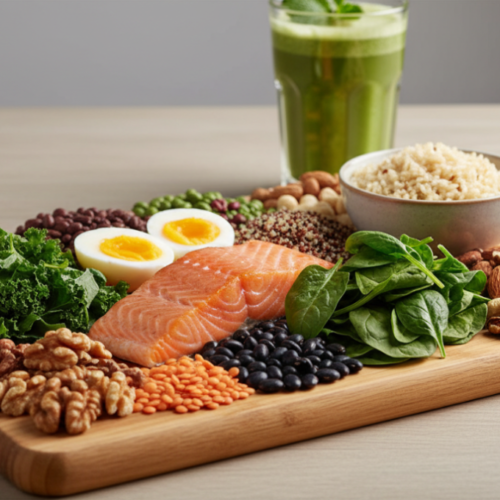
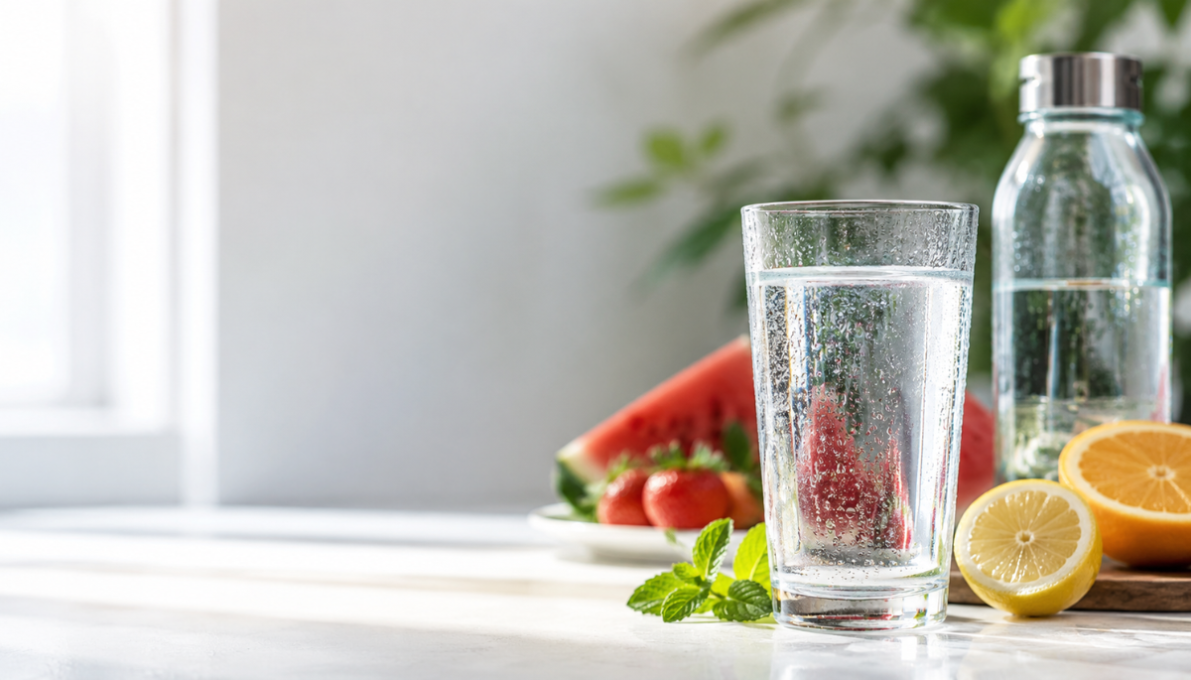
Food is part of hydration. Watermelon, oranges, strawberries, cucumbers, tomatoes, soups, and milk all contribute fluid. Coffee and tea also contribute to total fluid intake; for most regular consumers, moderate caffeinated drinks do not automatically cause dehydration.
Alcohol is different. It can increase urine production and may contribute to dehydration, particularly when consumed in larger amounts or in hot settings. Alternating alcoholic drinks with water is a sensible habit.
Pregnancy, breastfeeding, and aging
Pregnancy and breastfeeding increase fluid requirements. Breastfeeding especially raises total water needs because milk production requires water.
Older adults may be more vulnerable to dehydration because thirst sensation can become less reliable with age, mobility may be limited, or certain medications can influence fluid balance. Regular drinks with meals and medications can create a helpful routine.
Illness and medication
Fever, vomiting, diarrhea, and some medications can shift fluid and electrolyte needs quickly. Severe or persistent symptoms deserve prompt attention because dehydration can become more serious than a typical “I forgot my water bottle” situation.
Read also: “Yoga for Flexibility: Poses for Beginners and Advanced“
Signs You May Need More Fluids
Thirst is a useful signal, but it is not the only one. Consider your pattern throughout the day rather than interpreting one isolated symptom.
Common signs that may be associated with inadequate fluid intake include:
- Feeling thirsty or having a dry mouth
- Urine that is consistently dark yellow or strong-smelling
- Urinating less often than usual
- Headache, tiredness, or lightheadedness
- Constipation, especially alongside low fluid and fiber intake
- Declining exercise tolerance in heat
These signs are not specific to dehydration. Headaches, fatigue, dizziness, and dark urine can have other causes. Persistent, severe, or worsening symptoms should not be self-diagnosed solely as a hydration problem.
A simple hydration check is to notice thirst, urine color, frequency of urination, and how you feel during normal activity. Pale-yellow urine and regular urination commonly indicate adequate hydration, while persistent dark urine and thirst can signal that fluid intake needs attention.
According to MedlinePlus, dehydration can occur when the body loses more fluids than it takes in, with symptoms that may include thirst, dry mouth, fatigue, dizziness, and reduced urination.
Can You Drink Too Much Water?
Yes. Hydration importance includes avoiding both too little and too much water.
Drinking extreme amounts of plain water in a short period can dilute sodium in the blood, causing a dangerous condition called hyponatremia. It is uncommon in ordinary daily life but can occur during endurance events, heat exposure, certain medical conditions, or when someone forces excessive water intake.
Avoid treating water consumption like a competition. More is not always better.
For most healthy people, spreading fluids through the day and drinking in response to thirst works well. During prolonged, high-sweat exercise, especially if you are drinking heavily, electrolytes from food or an appropriate sports drink may sometimes be relevant—not because everyone needs specialty beverages, but because sweat contains sodium as well as water.
Seek urgent medical care for confusion, fainting, seizures, severe weakness, or severe vomiting. These can be signs of serious illness and require assessment beyond everyday hydration strategies.
The American College of Sports Medicine notes that fluid needs during exercise vary according to sweat rate, duration, intensity, clothing, and environmental conditions.
Everyday Habits That Make Hydration Easier
The best hydration plan is the one you can repeat without overthinking it. These habits fit naturally into most routines:
- Drink something with each meal. Water is an easy choice, but milk, unsweetened tea, and other beverages can contribute too.
- Keep water visible. A bottle on your desk, in your bag, or in the car removes friction. Convenience is an underrated health strategy.
- Pair drinking with existing habits. Take a few sips after brushing your teeth, before coffee, after bathroom breaks, or when returning from a walk.
- Make water more appealing. Add lemon, mint, berries, cucumber, or a splash of 100% fruit juice if plain water feels boring.
- Plan ahead for heat and exercise. Start with a filled bottle, take breaks, and avoid relying on thirst alone once you are already overheated.
- Choose water-rich foods more often. A bowl of soup, a piece of fruit, or yogurt can support total fluid intake while adding nutrients.
A useful real-life example: someone who dislikes drinking large volumes at once may do better with a glass at breakfast, a bottle during work, a drink with lunch, fluids around exercise, and a glass with dinner. Small, repeated choices add up.
Hydration Importance for Children and Active Adults
Children are often busy enough to ignore thirst, especially during school, sports, and play. They benefit from easy access to water and regular opportunities to drink rather than waiting until they are very thirsty.
For active adults, hydration planning becomes more relevant as exercise duration, intensity, and temperature rise. Short, low-intensity sessions usually do not require complicated calculations. Longer events, intense training, and hot-weather activities benefit from a more deliberate approach to fluids, recovery, and electrolytes.
The Centers for Disease Control and Prevention highlights water as a calorie-free way to support hydration and encourages access to drinking water in schools and other settings. Replacing sugary drinks with water more often can support hydration while reducing added-sugar intake.
The Centers for Disease Control and Prevention identifies water as a calorie-free drink that supports hydration and can help reduce the intake of sugary beverages.
Common Hydration Myths, Corrected
“Everyone needs exactly eight glasses of water”
Eight glasses can be a convenient reminder, but it is not a universal medical requirement. Needs vary, and total water includes food and other beverages.
“Coffee always dehydrates you”
Moderate coffee and tea intake generally contributes to fluid intake for people accustomed to caffeine. Very high caffeine intake may cause unpleasant effects for some people, but a morning coffee does not erase your hydration status.
“Clear urine is always the goal”
Constantly clear urine can mean you are drinking more than necessary. Pale yellow is generally a more practical day-to-day benchmark.
“Only plain water counts”
Plain water is an excellent choice, but it is not the only contributor. Fruits, vegetables, milk, soups, tea, and coffee can all add to total water intake.
The real value of understanding hydration importance is learning to respond to your body and circumstances rather than following a rigid water rule. General daily intake estimates offer a useful reference, but activity, climate, diet, illness, age, and life stage all affect what is right for you.
Build simple habits: drink regularly, include water-rich foods, bring fluids when you will be active, and pay attention to thirst and urine color. Hydration does not need to be complicated to be effective. Share this guide with someone who still thinks coffee “doesn’t count,” and explore more practical wellness habits that fit everyday life.
Important disclaimers
The information in this article is for informational and educational purposes only and does not replace assessment or guidance from a healthcare professional. Always consult a physician before making decisions about your treatment or diagnosis.
FAQ: Hydration Importance and Daily Water Intake
How much water should I drink each day?
Many adults need several liters of total water per day, including water from beverages and foods. A common reference estimate is about 2.7 liters daily for women and 3.7 liters for men, but your personal need can be higher or lower depending on activity, heat, diet, and health.
Does coffee count toward daily hydration?
Yes, coffee generally contributes to daily fluid intake, particularly when consumed in moderate amounts. Although caffeine can have a mild diuretic effect, regular coffee drinkers usually still retain fluid from the beverage.
How can I tell if I am dehydrated?
Common signs include thirst, dry mouth, dark yellow urine, less frequent urination, headache, tiredness, and lightheadedness. These symptoms can also have other causes, so persistent or severe symptoms need medical evaluation.
Is drinking water during meals healthy?
Yes. Drinking water with meals is a practical way to support daily hydration. It may also help some people eat more slowly and can make high-fiber meals easier to tolerate.
Can drinking too much water be dangerous?
Yes. Drinking excessive amounts of water rapidly can lower blood sodium levels, a potentially serious condition called hyponatremia. Spread fluids throughout the day rather than forcing very large amounts in a short period.
Do fruits and vegetables help with hydration?
Yes. Foods with high water content, including watermelon, oranges, cucumbers, tomatoes, berries, soups, and yogurt, contribute to total daily fluid intake. They also provide nutrients that plain water does not.
Do I need sports drinks after every workout?
No. Water is usually sufficient for short or moderate workouts. Sports drinks may be more useful during prolonged, high-intensity exercise, heavy sweating, or activity in hot conditions, especially when electrolyte replacement is needed.

My relationship with health and wellness began on a personal level, looking for practical ways to improve my own routine: more movement, more mindful eating, and basic oral care habits that, over time, made a real difference in my quality of life. It was this ongoing process of learning — testing, researching, and adjusting — that motivated me to share what I learn with others on the same journey.