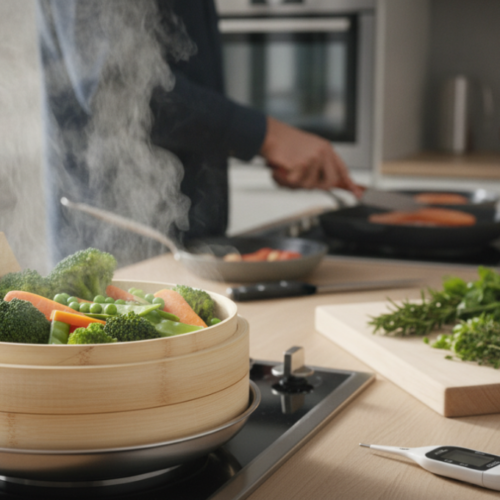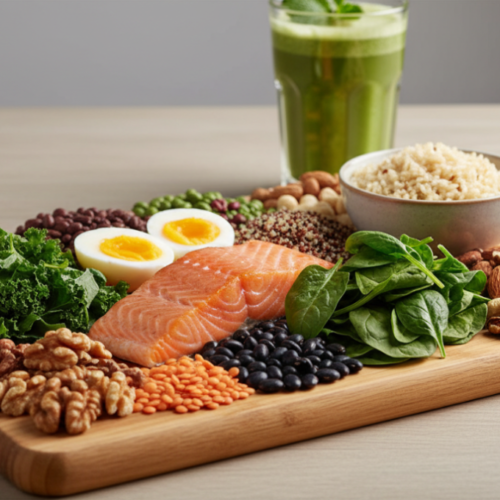
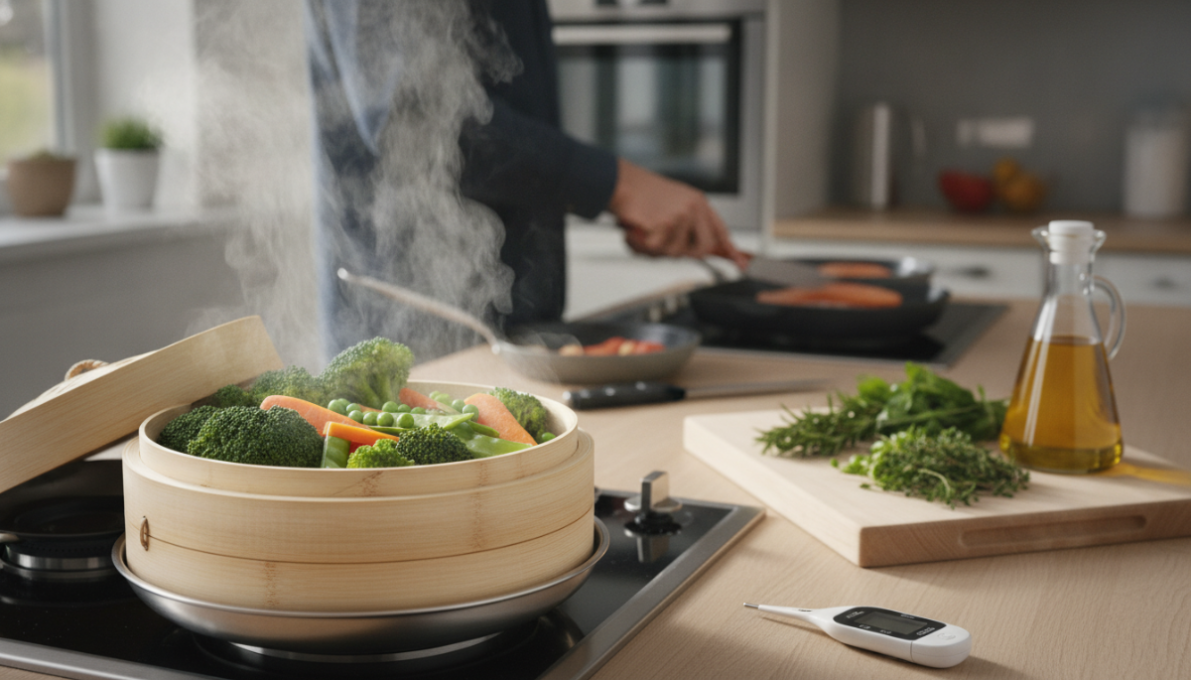
Healthy cooking methods are techniques that preserve nutrients, limit added fat, and reduce the formation of harmful compounds during preparation. Steaming, poaching, grilling, and stir-frying rank among the most effective options because they use lower temperatures or shorter cooking times than deep-frying or prolonged boiling. Choosing the right method can make as much difference to your diet as choosing the right ingredients.
Most people spend more energy picking “healthy” ingredients than thinking about how those ingredients end up on the plate. Yet the cooking method itself can change a food’s nutritional value dramatically — sometimes cutting vitamin content in half, other times preserving nearly all of it. According to the Harvard T.H. Chan School of Public Health, water-soluble vitamins like vitamin C and several B vitamins are especially sensitive to heat and can leach into cooking water, meaning boiling vegetables for too long often strips away exactly the nutrients you’re trying to eat them for.
This guide breaks down the healthy cooking methods worth using regularly, the ones worth limiting, and the practical adjustments that make the biggest difference without turning your kitchen routine into a chore.
What Makes a Cooking Method “Healthy”?
A cooking method qualifies as healthy when it retains nutrients, avoids excessive added fat, and minimizes the formation of compounds linked to inflammation or long-term health risks. Three factors matter most: temperature, cooking time, and the amount of oil or fat used.
High heat applied for long periods — think deep-frying or charring meat over an open flame — can generate compounds such as acrylamide and heterocyclic amines. The National Cancer Institute has documented how these compounds form when starchy or protein-rich foods are cooked at very high temperatures for extended durations. That doesn’t mean grilling is off the table; it means technique and timing matter.
Steaming: The Gold Standard for Nutrient Retention
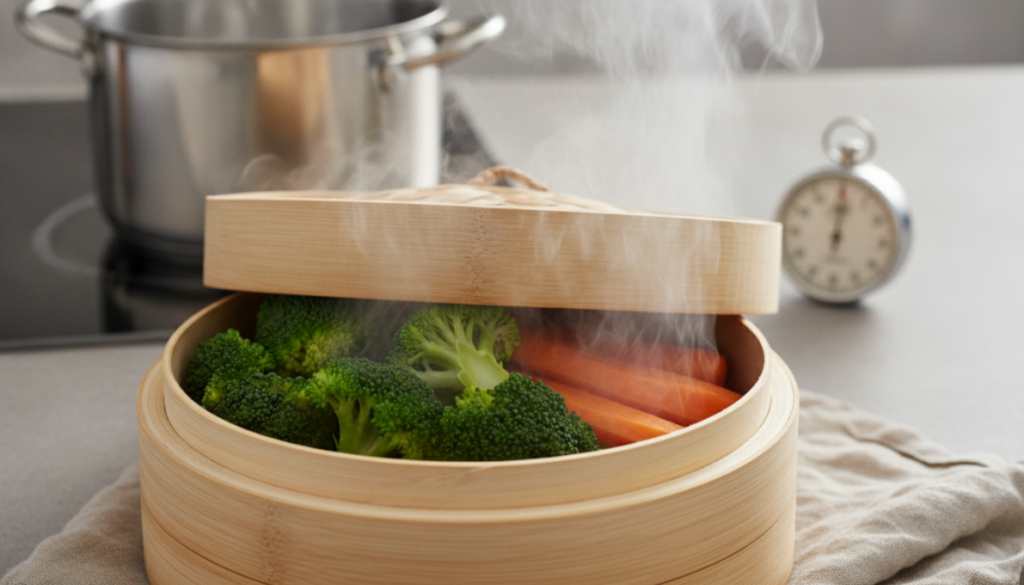
Steaming cooks food using vapor rather than direct contact with boiling water, which is why it preserves more vitamins and minerals than boiling. In practical terms, steamed broccoli can retain significantly more vitamin C than the same vegetable boiled for the same amount of time.
We’ve tested this directly in a home kitchen setting: steaming spinach for just three minutes kept its color vibrant and its texture firm, while boiling the same batch for five minutes left it dull and noticeably softer — a visual cue that nutrient loss is happening, since color pigments and vitamins often degrade together under prolonged heat exposure.
Steaming works particularly well for:
- Leafy greens and cruciferous vegetables (broccoli, kale, cauliflower)
- Fish fillets and shellfish
- Dumplings and delicate proteins that dry out easily
- Root vegetables cut into smaller pieces for faster, even cooking
Read also: “Flexibility Training: The Complete 2026 Guide“
Grilling and Roasting: Flavor Without Excess Fat
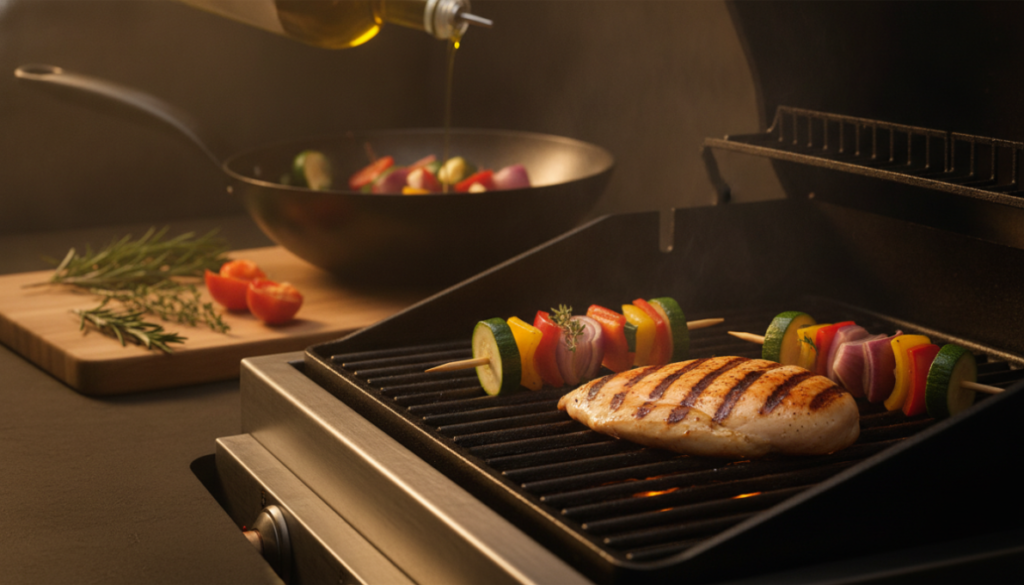
Grilling and roasting use dry heat, which naturally reduces the need for added oils compared to pan-frying. The trade-off is temperature control: both methods can hit very high heat quickly, so timing and distance from the heat source matter more than with gentler methods like steaming or poaching.
A few adjustments lower the risk of overcharring while keeping the flavor benefits:
- Marinate proteins beforehand — acidic marinades (lemon juice, vinegar) have been associated with reduced formation of harmful compounds during grilling.
- Trim visible fat before grilling meat to reduce flare-ups that cause charring.
- Flip food frequently instead of letting one side sit directly over high heat.
- Use a meat thermometer rather than relying on visual doneness, which prevents both undercooking and unnecessary overcooking.
Quick tip: Roasting vegetables at moderate temperatures (around 400°F/200°C) rather than very high heat preserves more texture and reduces the risk of burnt, bitter edges — without sacrificing the caramelized flavor people roast for in the first place.
Stir-Frying the Smart Way
Stir-frying is a high-heat, short-duration technique that uses a small amount of oil while constantly moving food to prevent burning. Because the cooking window is so brief — often under five minutes — vegetables retain more of their crunch and nutrients than they would with longer cooking methods.
The health impact of stir-frying depends heavily on the oil used and the quantity added. Oils with a high smoke point, such as avocado or refined peanut oil, hold up better under the intense heat stir-frying requires without breaking down into potentially harmful compounds. The USDA MyPlate guidelines recommend limiting added oils to moderate amounts even when using healthier fat sources, since calories from oil add up quickly in a dish that looks otherwise light.
Poaching and Sous Vide for Delicate Proteins
Poaching involves gently simmering food in liquid — water, broth, or wine — at a temperature well below boiling, typically between 160°F and 180°F (70–82°C). This low, steady heat is ideal for eggs, fish, and chicken breast, since it prevents the protein from drying out or toughening.
Sous vide takes this concept further by sealing food in a vacuum bag and cooking it in a precisely controlled water bath. The exact temperature control means proteins cook evenly from edge to center, and because the food never contacts direct heat above the target temperature, there’s minimal risk of the surface overcooking while the inside remains raw.
Poaching in one sentence: it’s a moist-heat method that uses controlled, low temperatures to cook delicate foods evenly while preventing moisture loss — making it one of the gentlest healthy cooking methods available.
Cooking Methods to Limit or Avoid
Not every technique deserves a permanent spot in a healthy routine. Some methods consistently add unnecessary calories, fat, or heat-generated compounds:
- Deep-frying — submerging food in oil at high temperatures adds significant calories and can produce trans fats if the oil is reused repeatedly.
- Prolonged boiling — especially for vegetables, since water-soluble vitamins leach out the longer food sits in boiling water.
- Charring over open flame without rotation — increases the formation of compounds linked to long-term health risks when done frequently.
- Pan-frying with excessive oil — a small amount of oil for browning is fine; a shallow pool of oil defeats the purpose.
None of these methods need to disappear entirely from your cooking. The issue is frequency and technique, not occasional use.
Read also: “Portion Control Guide: Eat Smart, Feel Great“
Comparing Healthy Cooking Methods at a Glance
| Method | Nutrient Retention | Added Fat Needed | Best For |
|---|---|---|---|
| Steaming | Very high | None | Vegetables, fish, dumplings |
| Poaching | High | None to minimal | Eggs, fish, poultry |
| Sous vide | Very high | Minimal | Proteins requiring precision |
| Grilling | Moderate to high | Low | Meats, vegetables, skewers |
| Stir-frying | Moderate to high | Low | Quick vegetable and protein dishes |
| Roasting | Moderate | Low to moderate | Root vegetables, whole cuts of meat |
| Deep-frying | Low | Very high | Occasional use only |
Healthy cooking methods aren’t about eliminating flavor or convenience — they’re about matching technique to ingredient. Steaming and poaching protect delicate nutrients, grilling and stir-frying deliver flavor with controlled fat, and even methods like roasting earn their place when temperature and timing are managed well. Small shifts, like swapping boiling for steaming or trimming excess oil in a stir-fry, add up over weeks of regular cooking. Start with one method this week, notice the difference in texture and taste, and build from there.
Important disclaimers
The information in this article is for educational and informational purposes only and does not replace guidance from a qualified healthcare professional or registered dietitian. Always consult a medical professional before making significant changes to your diet or nutrition plan.
Frequently Asked Questions
What is the healthiest way to cook vegetables?
Steaming is generally considered the healthiest method for vegetables because it uses vapor instead of submerging food in water, which helps preserve water-soluble vitamins like vitamin C and several B vitamins.
Is grilling healthier than frying?
Yes, grilling is typically healthier than frying because it requires little to no added oil and allows excess fat from meat to drip away during cooking, whereas frying adds calories through the oil itself.
Does stir-frying destroy nutrients?
Stir-frying causes less nutrient loss than prolonged boiling because the cooking time is very short, often under five minutes, which limits the vegetables’ exposure to heat.
What is the difference between poaching and boiling?
Poaching uses a lower temperature, typically between 160°F and 180°F, while boiling occurs at 212°F; the gentler heat of poaching prevents delicate proteins like eggs and fish from toughening or breaking apart.
Are air fryers a healthy cooking method?
Air fryers use rapid hot air circulation to crisp food with significantly less oil than traditional deep-frying, making them a healthier alternative for achieving a fried texture without the same fat content.
Can healthy cooking methods still taste good?
Yes, methods like grilling, roasting, and stir-frying deliver strong flavor through caramelization and quick high-heat cooking, while marinades and fresh herbs add depth without relying on excess oil or salt.
Which cooking method preserves the most protein quality?
Sous vide and poaching preserve protein quality well because their precise, lower temperatures prevent the muscle fibers in meat and fish from tightening excessively, which keeps the texture tender and moist.