Joint pain relief comes from treating the cause of the pain: calming inflammation, strengthening the muscles that support the joint, and reducing the load placed on it. Most people improve by combining low-impact exercise, weight management, heat or cold therapy, and appropriate medication. This guide explains how each piece works.
Anyone who has hesitated before climbing a flight of stairs, or woken with fingers too stiff to close around a coffee mug, knows joint pain is more than a minor nuisance. It quietly reshapes the day: which errands feel worth the effort, which hobbies get dropped, how well you sleep.
The scale of the problem is large. According to the Centers for Disease Control and Prevention, roughly 53 million US adults have doctor-diagnosed arthritis, the leading cause of chronic joint pain. Globally, the World Health Organization estimates that 528 million people were living with osteoarthritis in 2019, a 113% increase since 1990.
Despite those numbers, the advice people find online is often contradictory. One source says rest, another says push through it, and supplement ads promise far more than the research supports.
This guide separates what holds up from what does not. You will learn what causes joint pain, how to tell the main types apart, which home strategies and medical treatments have real evidence, how food and exercise fit in, and which warning signs deserve prompt attention.
What Causes Joint Pain?
Joint pain rarely has a single cause. It usually comes from mechanical wear, inflammation, or a disease process affecting the cartilage, the synovial lining, the ligaments, or the tissue around the joint.
Snippet answer: Joint pain (arthralgia) is discomfort, soreness, or stiffness in any part of a joint, including cartilage, bone, ligaments, tendons, and the synovial membrane. It is called chronic when it lasts longer than three months.
Mechanical wear: osteoarthritis
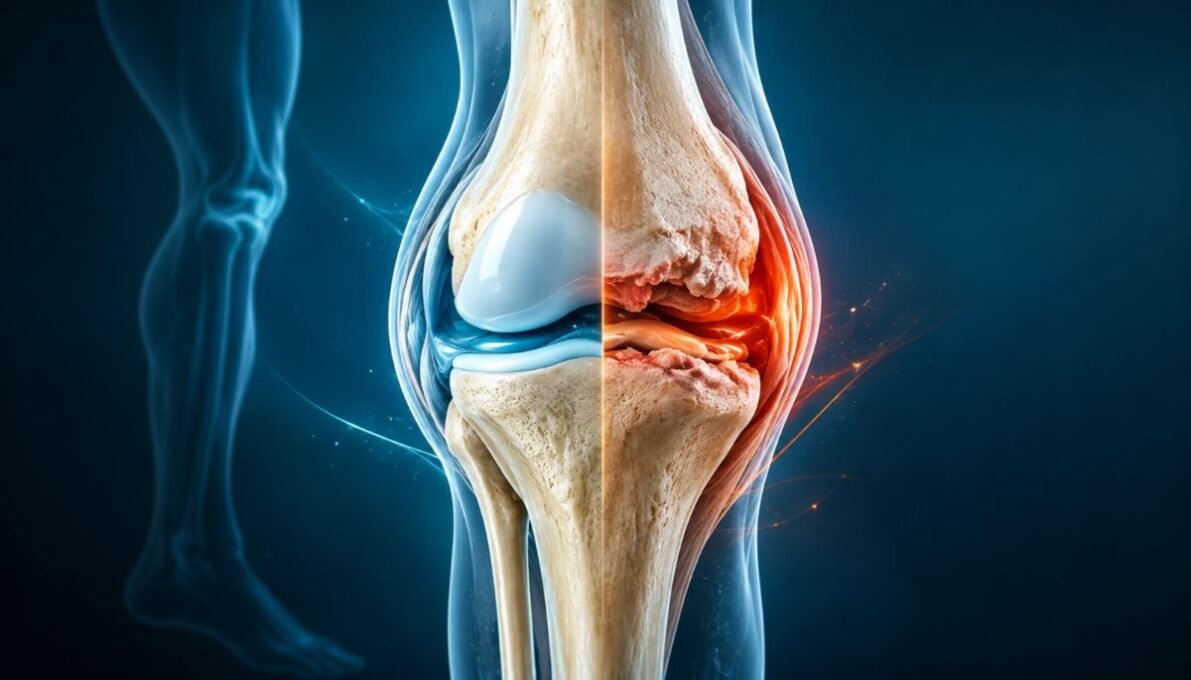
Osteoarthritis is the most common cause, particularly after age 45. The cartilage that cushions the ends of the bones thins and roughens over time. The joint then loses smooth gliding, and the surrounding tissue becomes irritated and swollen.
It develops slowly, often over years. That is why many people write off early symptoms as “just getting older” and delay changes that would help most.
Immune and metabolic causes: rheumatoid arthritis, psoriatic arthritis, and gout
Inflammatory arthritis works differently. In rheumatoid arthritis, the immune system attacks the joint lining. In gout, uric acid crystals form inside the joint and trigger intense inflammation.
These conditions often produce warmth, visible swelling, prolonged morning stiffness, and sometimes fatigue or low-grade fever. Pure mechanical wear usually does not.
Overuse, injury, and body weight
Repetitive strain, poor workstation setup, and old injuries that never fully healed can damage a joint years before age becomes a factor. Body weight matters too. Research cited by the Arthritis Foundation indicates that each pound of body weight adds roughly four pounds of load on the knee during walking. That is why weight loss is such a consistent part of knee and hip guidance.
Less obvious contributors
Several factors get less attention than they deserve:
- Muscle weakness, especially in the thighs and hips, which forces the joint to absorb forces the muscles should handle
- Poor sleep, which lowers pain thresholds and amplifies how pain is perceived
- Chronic stress, which can intensify inflammation and muscle tension
- Genetics, which influence both osteoarthritis risk and autoimmune conditions
- Previous joint injuries, such as ligament tears, which raise the risk of later arthritis in that joint
Recognizing the Main Types of Joint Pain
The type of joint pain you have largely determines which relief strategy will work. A few patterns help tell them apart.
| Type | Typical onset | Key features | Commonly affected joints |
|---|---|---|---|
| Osteoarthritis | Gradual, over years | Stiffness after rest (usually under 30 minutes), grinding sensation, pain worse with activity | Knees, hips, hands, spine |
| Rheumatoid arthritis | Weeks to months | Symmetrical swelling, morning stiffness over 30 minutes, fatigue | Hands, wrists, feet (both sides) |
| Gout | Sudden, often overnight | Severe pain, redness, heat, extreme tenderness to touch | Big toe, ankle, knee |
| Tendinitis or bursitis | Days to weeks | Pain with specific movements, tenderness at one spot | Shoulder, elbow, hip, heel |
The distinction matters because treatment differs. Osteoarthritis responds well to exercise and weight management. Rheumatoid arthritis and gout usually need medication that targets the immune or metabolic process, something stretching and topical creams cannot do alone.
The timing of stiffness is one of the most useful clues. Stiffness that eases within 30 minutes of getting moving points toward mechanical wear. Stiffness that lingers for an hour or more, especially with swollen, warm joints on both sides of the body, suggests an inflammatory cause.
Did you know? Gout attacks often strike at night. Body temperature drops during sleep, and uric acid crystallizes more readily in cooler tissue, which partly explains why the big toe, the coolest joint, is the classic target.

Home Strategies for Joint Pain Relief
Many people want joint pain relief they can start today, without a prescription. Several approaches have solid backing, though results depend on the underlying cause.
Heat and cold: choosing the right one
Heat and cold do different jobs. Heat widens blood vessels and relaxes tight muscles, which makes it better for chronic stiffness and morning rigidity. Cold narrows blood vessels and numbs nerve endings, which makes it better for acute swelling, a fresh flare, or pain after activity.
A practical routine:
- Use a warm shower, heating pad, or warm towel for 15 to 20 minutes before activity to loosen stiff joints.
- Use a cold pack wrapped in a thin cloth for 10 to 15 minutes after activity or during a flare.
- Never apply either directly to bare skin for long periods, and stop if the skin changes color or feels numb.
- Avoid heat on a joint that is visibly red, hot, and swollen, since it can add to the inflammation.
Topical treatments
Topical options act locally and carry fewer systemic risks than pills. Topical NSAIDs, such as diclofenac gel, are commonly used for knee and hand osteoarthritis because they deliver the drug close to the joint with low blood levels. Capsaicin cream works by gradually depleting a pain-signaling chemical in local nerves, so it takes several days of regular use to notice a benefit.
Menthol and camphor products create a cooling or warming sensation that distracts from pain. They do not treat the joint itself, but many people find them useful as a short-term comfort measure.
Supportive devices
External support can reduce strain on a damaged joint during daily tasks. Knee sleeves and braces can improve stability and confidence. A cane held in the hand opposite the painful hip or knee can shift meaningful load off the joint. Supportive, cushioned shoes also matter, since foot mechanics affect the knees, hips, and lower back.
Sleep and pain
Pain and poor sleep feed each other. Pain interrupts sleep, and sleep loss lowers the threshold at which pain registers. Breaking the cycle often helps as much as any single remedy. A cool, dark bedroom, a consistent bedtime, and a pillow placed between the knees for side sleepers can all reduce overnight discomfort.
Exercise and Movement: The Core of Long-Term Joint Pain Relief
The instinct to avoid moving a painful joint is understandable, but in most non-acute cases it backfires. Muscles around an inactive joint weaken within weeks. The joint then absorbs more force, which produces more pain, which leads to more avoidance.
Exercise sits at the center of professional guidance for a reason. The Mayo Clinic lists regular activity among the main ways to manage arthritis symptoms and preserve joint function, and the ACR/Arthritis Foundation osteoarthritis guideline strongly recommends exercise as a first-line treatment for knee and hip osteoarthritis.
Snippet answer: Exercise relieves joint pain by strengthening the muscles that absorb force, improving circulation of synovial fluid that lubricates the joint, and supporting weight control, which reduces load on the knees and hips.
What the adjustment period looks like
A pattern that physical therapists describe consistently: pain feels the same or slightly worse for the first one to two weeks of a new program, then begins to ease as the supporting muscles strengthen. This is where many people quit, just before the benefit appears.
Mild, short-lived soreness that settles within a day is generally part of adaptation. Sharp pain, swelling that persists, or pain that worsens day after day signals the load is too high and should be reduced.
Best types of exercise for joint pain
Different exercise types do different jobs, and a balanced week usually includes more than one.
| Exercise type | Examples | Main benefit | Joint-friendliness |
|---|---|---|---|
| Aerobic, low impact | Walking, swimming, cycling, water aerobics | Circulation, endurance, weight control | High |
| Strength training | Resistance bands, leg presses, bodyweight squats | Builds muscle that shields the joint | High when form is controlled |
| Flexibility | Gentle yoga, stretching | Range of motion, reduced stiffness | High |
| Balance and mind-body | Tai chi | Stability, fall prevention, pain reduction | Very high |
A simple progression
- Begin with 10 to 15 minutes of low-impact movement on most days, such as walking on flat ground or cycling with low resistance.
- Add two short strength sessions per week focused on the thighs, hips, and core, using light resistance and slow, controlled movements.
- Include gentle stretching or yoga after warmed-up activity, never on a cold joint.
- Increase total time or intensity by roughly 10% per week rather than making large jumps.
- Leave at least 48 hours between hard sessions for the same muscle group.
The strength connection
Stronger thigh muscles are particularly important for the knees. The quadriceps act as shock absorbers, so a weak quadriceps lets more impact pass directly into the cartilage. For hip pain, the glutes play the same protective role. This is why a targeted program often outperforms general fitness for a specific painful joint.
For overall activity targets, the World Health Organization recommends at least 150 minutes of moderate-intensity activity per week for adults. People with joint pain can build toward that gradually, using low-impact options.
Read also: “B Vitamins Importance: Why Your Body Needs Them Daily“
Diet and Supplements for Joint Pain Relief
Food does not cure joint disease, but it influences both inflammation and body weight, two factors that directly affect how joints feel.
Foods linked to lower inflammation
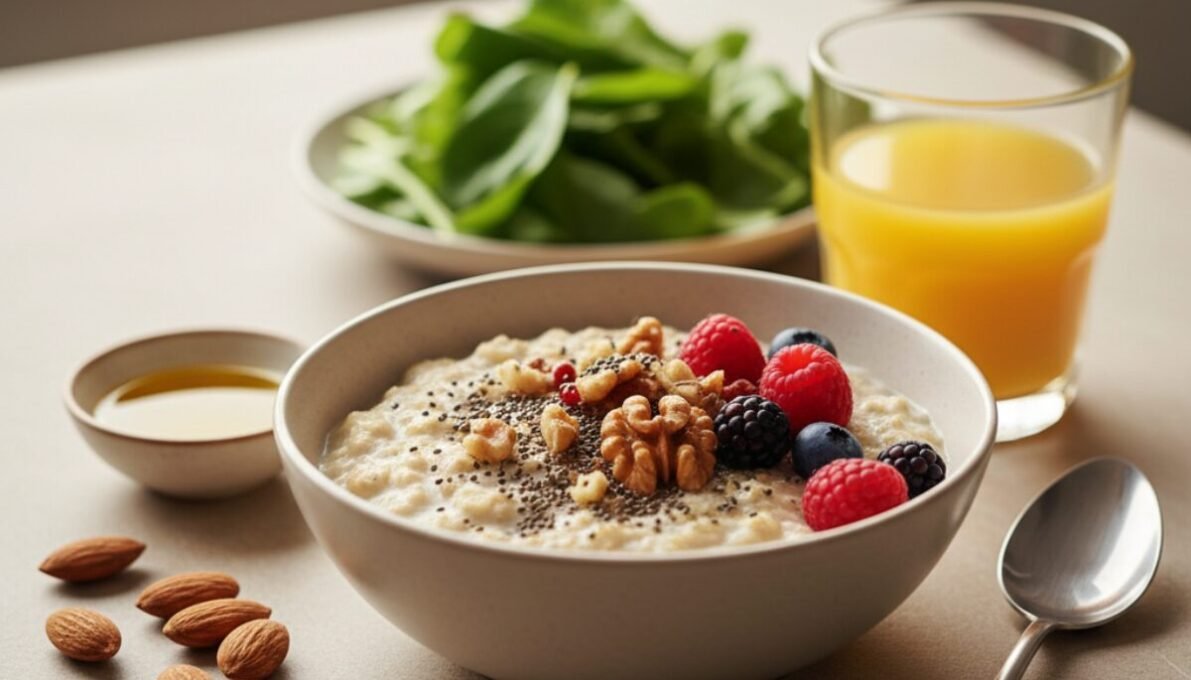
Omega-3 fatty acids, found in salmon, sardines, mackerel, walnuts, and flaxseed, help reduce the production of inflammatory compounds. Some trials in rheumatoid arthritis have shown modest reductions in joint tenderness and morning stiffness with higher omega-3 intake, though effects are generally smaller than those of prescription medication.
Vegetables, fruit, whole grains, legumes, nuts, and olive oil form the base of Mediterranean-style eating, the pattern most consistently associated with lower inflammatory markers.
What tends to worsen inflammation
| Category | Generally helpful | Best limited |
|---|---|---|
| Fats | Olive oil, fatty fish, walnuts | Fried foods, trans fats |
| Carbohydrates | Whole grains, vegetables, fruit | Refined sugar, white bread, pastries |
| Protein | Fish, legumes, poultry, eggs | Processed red meats |
| Beverages | Water, green tea, coffee in moderation | Sugary drinks, heavy alcohol use |
Gout deserves a specific note. Purine-rich foods such as organ meats, certain shellfish, and beer can raise uric acid, and sugary drinks high in fructose are also linked to higher gout risk. Diet helps, but most people with recurrent gout also need medication to keep uric acid at a safe level, because food accounts for only part of what drives it.
Snippet answer: An anti-inflammatory diet limits processed foods, added sugar, and refined carbohydrates while emphasizing vegetables, whole grains, fish, nuts, and olive oil. It does not eliminate joint pain, but it can lower overall inflammation and support healthy weight.
Supplements: what the evidence shows
Supplements are a popular route to joint pain relief, but the evidence is mixed.
- Glucosamine and chondroitin: Large trials have produced inconsistent results, and the ACR/Arthritis Foundation guideline advises against routine use for knee and hip osteoarthritis. They are generally low risk, but may not help.
- Omega-3 fish oil: Better supported for inflammatory arthritis than for osteoarthritis. High doses can interact with blood-thinning medication.
- Turmeric (curcumin): Some studies show modest pain reduction in knee osteoarthritis. Absorption is poor, and product quality varies widely.
- Vitamin D: Supports bone and muscle health. It helps mainly when someone is deficient, which is common in people who get little sun.
Because supplements are less tightly regulated than drugs, ingredient quantities can differ from the label. Choosing products with independent third-party testing reduces that risk.
Weight management as joint therapy
For people with knee or hip osteoarthritis who carry excess weight, weight loss is among the most effective interventions available. Because load scales so directly with body weight, even a modest loss, around 5 to 10% of body weight, can noticeably reduce pain and improve function for many people.
Read also: “Digestive Health Tips: Complete 2026 Guide“
Medical Treatments for Joint Pain Relief
When home strategies are not enough, medical options can help substantially. The right choice depends on the cause, severity, and how long symptoms have lasted.
Over-the-counter and prescription pain relievers
Acetaminophen can ease mild pain but has limited effect on inflammation. NSAIDs such as ibuprofen and naproxen block enzymes (COX-1 and COX-2) that produce prostaglandins, the chemical messengers behind inflammation and pain signaling.
The National Institute of Arthritis and Musculoskeletal and Skin Diseases notes that treatment for osteoarthritis typically combines medication with exercise and weight management rather than relying on drugs alone. Long-term, regular NSAID use carries gastrointestinal, kidney, and cardiovascular risks, so they are generally used at the lowest effective dose for the shortest period needed.
Disease-modifying treatment for inflammatory arthritis
Rheumatoid and psoriatic arthritis are treated differently. Disease-modifying antirheumatic drugs (DMARDs) and biologic medications suppress the immune activity that damages joints. Starting them early matters, because inflammatory joint damage can become irreversible if left uncontrolled.
For gout, long-term treatment focuses on lowering uric acid with medications such as allopurinol, while short-term flares are treated with anti-inflammatory drugs, colchicine, or corticosteroids.
Injections
Corticosteroid injections place a powerful anti-inflammatory directly into the joint. Relief often lasts from several weeks to a few months. Doctors usually limit repeated injections in the same joint because frequent use may affect cartilage over time.
Hyaluronic acid injections aim to improve joint lubrication, but studies of their benefit in knee osteoarthritis have produced mixed results, and guidelines differ in how strongly they support them.
Physical and occupational therapy
A therapist builds a program around your joint’s mechanics, correcting movement patterns, strengthening weak links, and teaching ways to perform daily tasks with less strain. This differs from generic stretching because the exercises are specific and progressive. Occupational therapists also advise on adaptive tools, such as jar openers and ergonomic handles, which protect painful hand joints.
Surgery
When cartilage damage is advanced and conservative care no longer controls pain, joint replacement becomes an option. Knee and hip replacements are among the most common orthopedic surgeries, and modern implants often last 15 to 20 years or longer. Outcomes tend to be best when the patient is as strong and mobile as possible beforehand and follows rehabilitation closely afterward.
Quick tip: Medication and injections manage symptoms, but they rarely fix the mechanical cause. Pairing them with strength and movement therapy tends to produce better long-term results than medication alone.

Warning Signs and Daily Prevention
Red flags that point beyond routine joint pain
Most mild joint discomfort improves within a few weeks of the strategies above. Some patterns suggest a different problem that needs diagnosis and specific treatment:
- A single hot, red, swollen joint with fever or chills, which can indicate a joint infection and needs same-day medical evaluation
- Severe pain after an injury, an audible pop, or inability to bear weight
- Joint pain with a new rash, unexplained weight loss, or persistent fatigue
- Symmetrical swelling and morning stiffness lasting over an hour
- Symptoms that fail to improve after about six weeks of consistent self-care
A swollen, hot joint with fever is the most time-sensitive of these. Bacterial infection in a joint can damage cartilage within days.
Prevention habits that protect joints long term
Joint pain relief is not only about treating existing pain, but also about slowing future damage. A few habits have the strongest evidence behind them:
- Keep a healthy body weight, since it directly reduces load on the knees and hips.
- Stay active every week, mixing aerobic work, strength training, and flexibility.
- Treat injuries fully, because incomplete recovery raises the risk of later arthritis in that joint.
- Set up your workspace to keep wrists, neck, and lower back in neutral positions.
- Change positions often, since long periods of sitting or standing stiffen joints.
- Wear supportive footwear that fits well and replace worn-out shoes.
- Avoid smoking, which is associated with worse outcomes in rheumatoid arthritis and poorer tissue healing.
Small habits compound. A person who adds a 20-minute daily walk, two strength sessions a week, and a modest weight reduction is often making a bigger difference than any single treatment could.
Joint pain relief works best as a combination approach rather than a single fix. Understanding whether your pain comes from mechanical wear, immune-driven inflammation, or a metabolic condition like gout shapes which treatments will actually help.
Heat, cold, topical products, and medication manage symptoms in the short term. Strength training, low-impact exercise, weight management, and anti-inflammatory eating address the underlying mechanics and inflammation over time. Spotting the warning signs early protects you from conditions that need specific treatment.
If this guide helped, share it with someone who is struggling with stiff knees or aching hands. Leave a comment with the strategy that has worked best for you, and browse our other health and wellness guides for more evidence-based approaches to joint pain relief.
IMPORTANT DISCLAIMERS
The information in this article is for educational and informational purposes only and does not replace the evaluation or guidance of a healthcare professional. Always consult a doctor before making any decision about your treatment or diagnosis.
Frequently Asked Questions
What is the fastest way to get joint pain relief?
Applying cold to a swollen joint or heat to a stiff joint usually gives the fastest short-term relief, often within 15 to 20 minutes. An over-the-counter anti-inflammatory such as ibuprofen can add relief for people who can take it safely. These methods ease symptoms but do not treat the underlying cause.
Is walking good for joint pain?
Walking is generally beneficial for most people with joint pain, especially osteoarthritis. It circulates synovial fluid, strengthens supporting muscles, and helps control weight. Walking should be reduced during acute flare-ups or after a new injury, until pain and swelling settle.
Do glucosamine and chondroitin supplements work?
Research results are mixed. Some studies show small pain reductions in knee osteoarthritis, while larger trials often show no benefit over placebo, and the ACR/Arthritis Foundation guideline advises against routine use for knee and hip osteoarthritis. They are generally low risk but should not replace proven treatments.
What foods make joint pain worse?
Foods high in refined sugar, trans fats, and heavily processed ingredients are associated with higher inflammation and may worsen symptoms. For people with gout, organ meats, certain shellfish, beer, and sugary drinks can raise uric acid and trigger flares.
Can joint pain be a sign of something serious?
Yes. Joint pain with fever, a hot and swollen joint, severe pain after injury, unexplained weight loss, or symptoms lasting more than six weeks can signal infection, inflammatory arthritis, or another condition that needs medical evaluation.
Is joint pain a normal part of aging?
Some stiffness becomes more common with age because cartilage wears over time, but persistent or worsening pain is not something to accept as inevitable. Exercise, weight management, and medical treatment can substantially improve symptoms at any age.

My relationship with health and wellness began on a personal level, looking for practical ways to improve my own routine: more movement, more mindful eating, and basic oral care habits that, over time, made a real difference in my quality of life. It was this ongoing process of learning — testing, researching, and adjusting — that motivated me to share what I learn with others on the same journey.