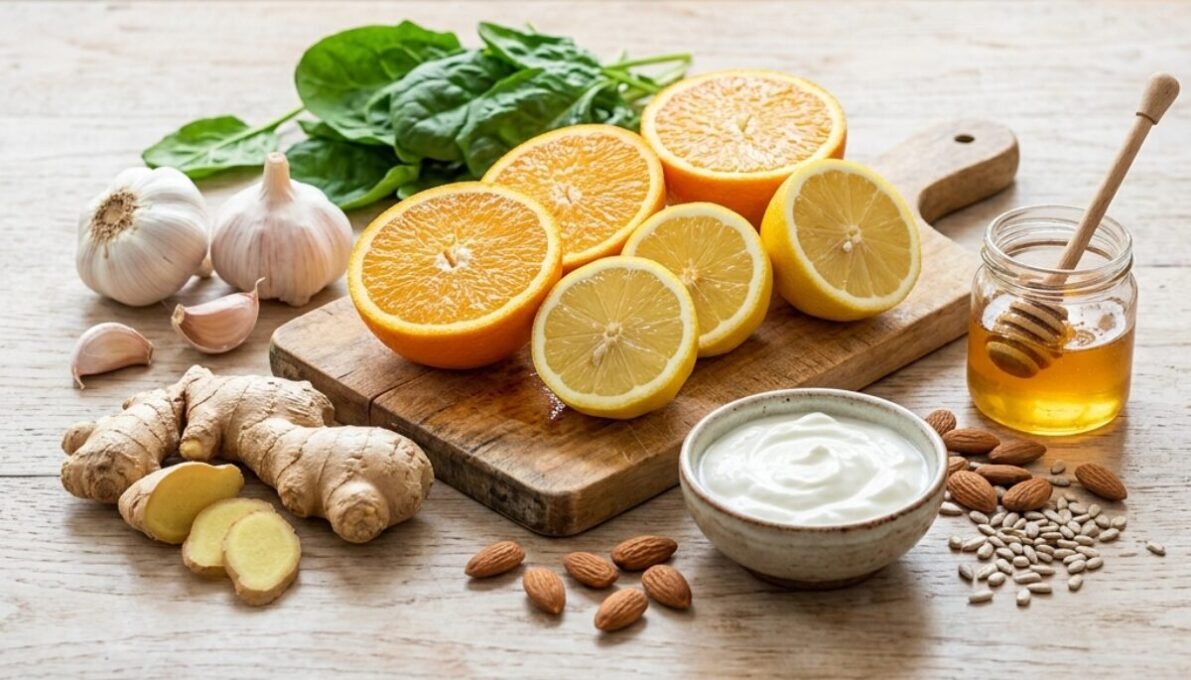
Skin health nutrition is the practice of eating foods that supply the protein, vitamins, minerals, and healthy fats your skin uses to rebuild, retain moisture, and defend itself. A varied diet of colorful produce, fish, nuts, legumes, and whole grains supports skin best. The sections below explain which nutrients matter and why.
You can spend $80 on a serum and still deal with dull, dry, or breakout-prone skin. Sometimes the missing piece is not on your bathroom shelf. It is on your plate.
Skin health nutrition matters because skin is a living organ that renews itself constantly. The outer layer turns over roughly every 28 days in young adults, and more slowly with age. Every new cell is built from the protein, fats, vitamins, and minerals you eat.
Most people fall short of the basics. The World Health Organization recommends at least 400 grams of fruits and vegetables a day, a target many adults miss. Those foods carry much of the vitamin C, carotenoids, and polyphenols that protect skin cells.
Here you will find the nutrients with the strongest evidence, the foods that deliver them, and the habits that may work against you. You will also get a practical 28-day plan built around your skin’s natural renewal cycle, plus honest notes on where the science is still thin.
How Skin Health Nutrition Works
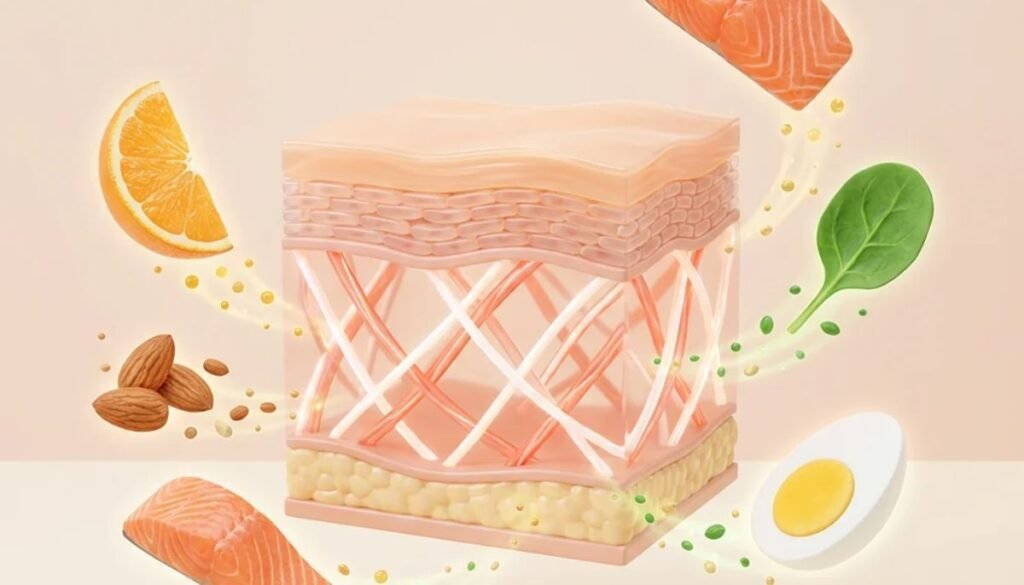
Skin is a barrier, a thermostat, and a sensor, and it needs a steady supply of raw materials to do all three. The dermis, the thick layer under the surface, relies on collagen and elastin for firmness. The epidermis, the visible layer, relies on fats and keratin to hold in moisture.
Food influences skin in three main ways. It provides building blocks, it supplies antioxidants that help neutralize damage from sunlight and pollution, and it shapes inflammation and hormone signals that may affect conditions like acne.
Collagen is the most abundant structural protein in skin. It forms a scaffold that keeps skin firm and elastic, and your body makes less of it as you age.
Nutrition has limits. It cannot reverse aging, and it does not replace sun protection. What it can do is give your skin what it needs to function well and help you avoid some preventable damage.
Good to know: Skin changes from diet are slow. Because skin renews over weeks, give any change at least four to eight weeks of consistency before judging it.

The Nutrients Behind Skin Health Nutrition
Not every nutrient carries equal weight. The table below summarizes those with the strongest links to skin structure and function, with common food sources and standard adult intake targets from US guidelines.
| Nutrient | What it does for skin | Top food sources | Adult daily target |
|---|---|---|---|
| Vitamin C | Supports collagen formation, acts as an antioxidant | Bell peppers, citrus, kiwi, strawberries | 75 mg (women), 90 mg (men) |
| Vitamin E | Protects cell membranes from oxidative damage | Almonds, sunflower seeds, spinach | 15 mg |
| Vitamin A | Supports skin cell turnover and repair | Sweet potatoes, carrots, eggs | 700 mcg RAE (women), 900 mcg RAE (men) |
| Zinc | Aids wound healing and immune defense | Oysters, beef, pumpkin seeds, lentils | 8 mg (women), 11 mg (men) |
| Omega-3 fats | Support the skin barrier, may calm inflammation | Salmon, sardines, walnuts, flaxseed | No set RDA; fish twice weekly is a common guideline |
| Protein | Supplies amino acids for collagen and keratin | Eggs, fish, poultry, legumes, tofu | At least 0.8 g per kg of body weight |
Vitamin C: The Collagen Helper
Your body cannot form stable collagen without vitamin C. The NIH Office of Dietary Supplements notes that vitamin C is required for collagen synthesis and also works as an antioxidant. Smokers need an extra 35 mg per day because smoking depletes it.
A medium orange provides roughly 70 mg, and half a cup of raw red bell pepper provides close to 95 mg. Heat destroys some vitamin C, so eating a portion of these foods raw helps.
Vitamin E and the Vitamin C Partnership
Vitamin E is a fat-soluble antioxidant that sits in cell membranes and helps limit free radical damage. One ounce of almonds delivers about half of the 15 mg adult recommendation.
The two vitamins work as a team. Vitamin C helps regenerate vitamin E after it neutralizes a free radical, which is one reason whole foods often make more sense than single-nutrient pills.
Zinc: The Repair Mineral
Zinc supports wound healing, immune function, and normal oil gland activity. The NIH fact sheet on zinc sets adult needs at 8 to 11 mg daily and the upper limit at 40 mg. Regularly exceeding that limit can interfere with copper absorption.
Vegetarians and vegans may need to pay closer attention. Legumes and whole grains contain phytates, compounds that reduce zinc absorption, so soaking or sprouting them helps.
Omega-3 Fats and Protein
Omega-3 fatty acids, especially EPA and DHA from fish, help maintain the lipid barrier that keeps water in and irritants out. Plant sources such as walnuts and flaxseed provide ALA, which the body converts to EPA and DHA only in small amounts.
Protein is easy to overlook. Collagen and keratin are both proteins, so a persistently low intake can show up as slow wound healing, brittle nails, or thinning hair.
Best Foods for Glowing Skin
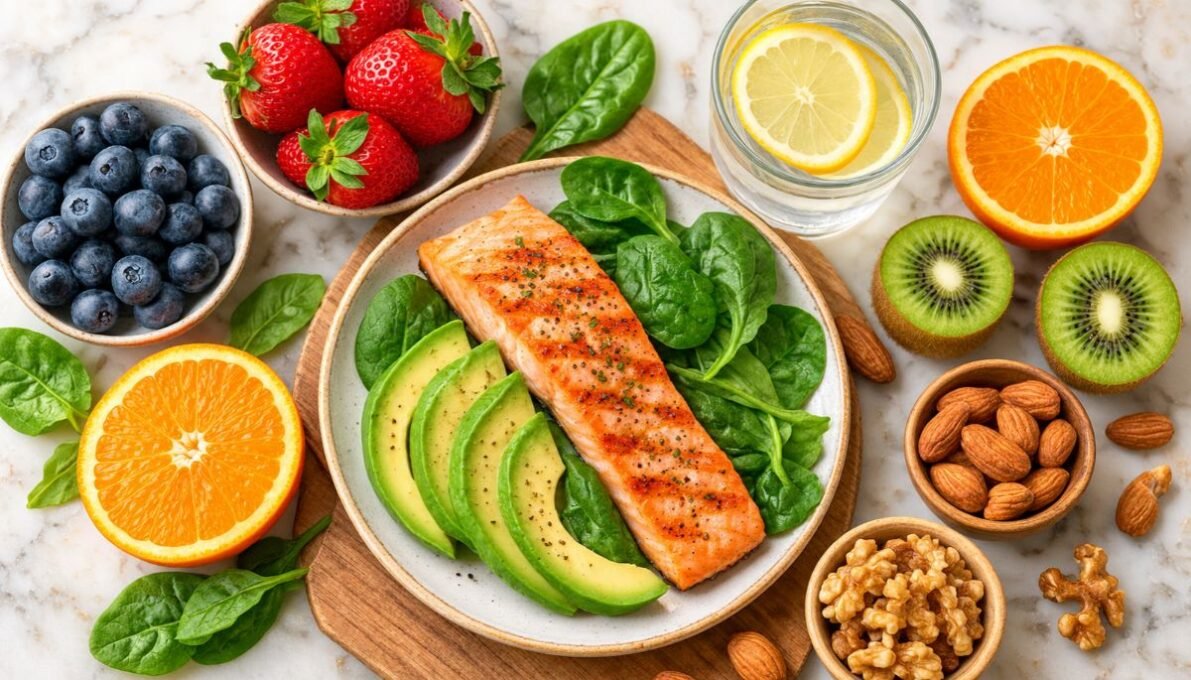
Specific foods deliver several of these nutrients at once. Building meals around them is more practical than counting milligrams.
- Fatty fish: salmon, sardines, and mackerel supply omega-3s, protein, and vitamin D.
- Colorful vegetables: carrots, tomatoes, and leafy greens provide carotenoids, vitamin C, and vitamin A precursors.
- Berries and citrus: rich in vitamin C and polyphenols.
- Nuts and seeds: a compact source of vitamin E, zinc, and healthy fats.
- Eggs and legumes: affordable protein with zinc and B vitamins.
- Olive oil: monounsaturated fat and polyphenols, central to Mediterranean-style eating.
Cooked tomatoes deserve a special mention. Heating them with a little oil makes lycopene, a carotenoid, easier to absorb. Small studies suggest carotenoid-rich diets may modestly improve skin’s resistance to sunburn, but the effect is mild and never replaces sunscreen.
Does a Mediterranean Diet Help Skin?
A Mediterranean-style pattern combines most of the foods above and is among the best-studied eating patterns for general health. Research on skin-specific outcomes is thinner. The pattern is low in refined sugar and high in antioxidants, which fits what we know about skin biology, but it should be seen as a reasonable bet rather than a proven skin treatment.
Read also: “Joint Pain Relief: Causes, Treatments & Prevention Tips“
Eating Patterns That May Work Against Your Skin
Some foods and habits show associations with skin problems, though the strength of evidence varies. Association does not prove cause, and individual responses differ.
High-glycemic foods and acne. White bread, sugary drinks, and sweets cause fast blood sugar rises, which may increase insulin and oil production. Small trials suggest low-glycemic diets may reduce acne in some people, but results are mixed.
Dairy and acne. Some observational studies link dairy, especially skim milk, to more breakouts. Findings are inconsistent, and many people notice no effect.
Excess sugar and glycation. Sugar can bind to proteins like collagen in a process called glycation, producing compounds linked to stiffer, less elastic skin over time.
Alcohol. Alcohol dehydrates the body and can trigger flushing, particularly in people with rosacea.
Quick answer: Can diet cause acne? Diet does not cause acne on its own, since genetics, hormones, and bacteria play major roles. High-glycemic foods and possibly dairy may worsen breakouts in some people.
Hydration: Useful but Oversold
Water belongs in any skin health nutrition plan, but its effect is often exaggerated. Mild dehydration can make skin look dull and feel tight, and drinking more helps in that case. In people who are already well hydrated, extra water does not appear to make skin plumper.
A practical approach is to drink when thirsty and eat water-rich foods like cucumbers, oranges, and watermelon. Pale yellow urine is a simple sign you are drinking enough.
Food vs. Supplements for Skin
Supplements are tempting because they promise results in a capsule. Most people who eat a varied diet get adequate amounts of the main skin nutrients from food.
Supplements make sense in specific situations, such as a confirmed deficiency, a restricted diet, or limited absorption. More is not better. Preformed vitamin A has an upper limit of 3,000 mcg per day for adults, and excess zinc causes its own problems.
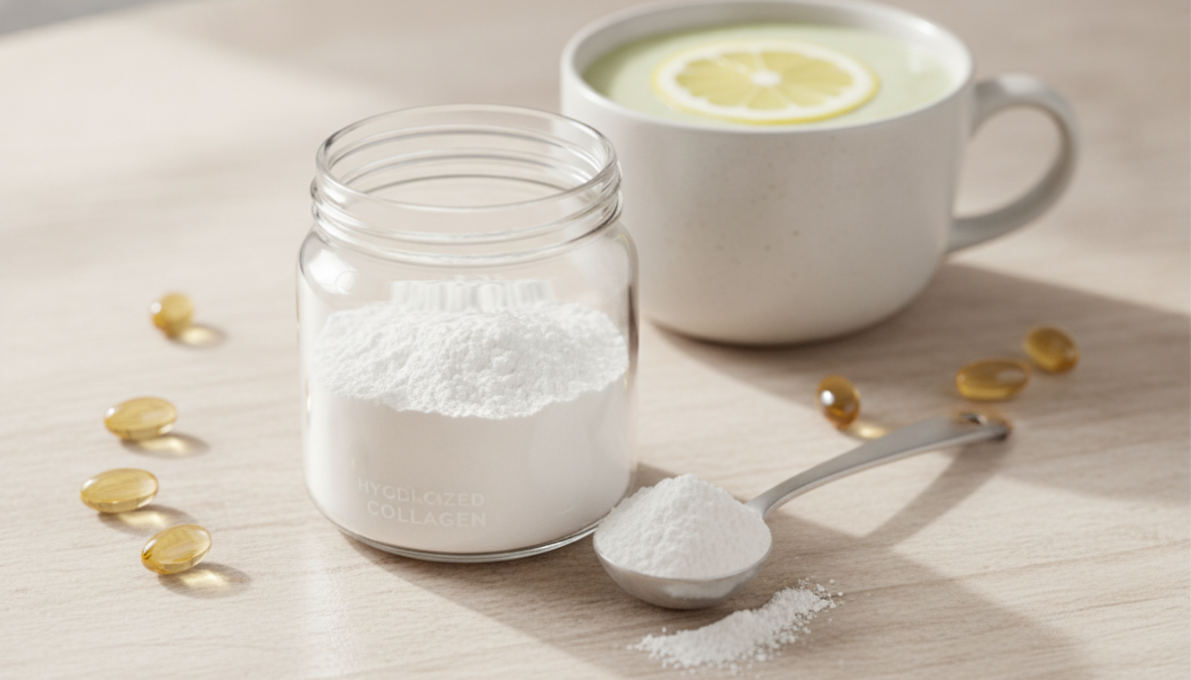
Collagen peptides are popular. Some trials report small gains in skin elasticity and hydration, but many were small or industry-funded, so the evidence is promising rather than conclusive.
| Approach | Strengths | Limitations |
|---|---|---|
| Whole foods | Provide fiber, antioxidants, and nutrients that work together | Take planning and consistency |
| Targeted supplements | Fill confirmed gaps quickly | Risk of excess, uneven quality, limited proof of skin benefits in healthy people |
The Skin Plate Method: A 28-Day Plan
Because skin renews on a roughly 28-day cycle, a four-week plan matches how your skin actually changes. The idea is to add one habit per week instead of overhauling everything at once, which is the reason most diet changes fail by day ten.
Build each meal on a simple template. Fill half your plate with colorful vegetables or fruit, a quarter with protein, and a quarter with whole grains or starchy vegetables, then add a thumb-sized portion of healthy fat such as olive oil, nuts, or avocado.
- Week 1: Protein at breakfast. Eggs, Greek yogurt, or a tofu scramble. This covers amino acids and zinc early in the day.
- Week 2: One vitamin C food daily. Kiwi, strawberries, an orange, or raw bell pepper.
- Week 3: Fatty fish twice, plus daily nuts. If you do not eat fish, use walnuts and ground flaxseed every day.
- Week 4: Cut back on sugary drinks and alcohol. Replace them with water or unsweetened tea.
Track results simply. Once a week, take a photo of your face in the same spot with the same natural light, and jot down three notes: dryness, breakouts, and how your skin feels by evening. Looking at the photos side by side at day 28 is far more reliable than judging from memory.
A sample day: oatmeal with berries and walnuts, a lentil and spinach salad with olive oil, a handful of almonds, and baked salmon with roasted sweet potato and broccoli.
Reality check: If your skin concern is persistent, painful, or worsening, nutrition is only one possible factor. Acne, eczema, and rosacea all have medical causes that food cannot fully explain.
Read also: “B Vitamins Importance: Why Your Body Needs Them Daily“
Common Myths About Skin Health Nutrition
Myth: Chocolate and greasy food cause acne. Large studies have not shown that chocolate or fried food directly causes acne. Overall dietary pattern and glycemic load appear more relevant.
Myth: You can eat your way out of sun damage. Antioxidants help, but they do not block UV rays. Sunscreen and shade remain the strongest protection.
Myth: Detox diets clear the skin. Your liver and kidneys already handle detoxification, and no solid evidence supports juice cleanses for skin.
Myth: You need expensive superfoods. Frozen berries, canned sardines, lentils, and carrots deliver the same core nutrients at a fraction of the cost.
Conclusion
Skin health nutrition comes down to consistency, not perfection. Vitamin C, vitamin E, vitamin A, zinc, omega-3 fats, and protein each play a clear role in how your skin builds, repairs, and protects itself.
Fill your plate with colorful produce, fish, nuts, and whole grains, and go easy on sugar and alcohol. Give each change a full renewal cycle before judging it. Food will not replace sunscreen or a good skincare routine, but it strengthens everything else.
If this guide helped, leave a comment with your favorite skin-friendly meal or explore more wellness articles on the blog.
Important Notice
The information in this article is for informational and educational purposes only and does not replace the evaluation or guidance of a healthcare professional. Always consult a doctor before making any decision about your treatment or diagnosis.

My relationship with health and wellness began on a personal level, looking for practical ways to improve my own routine: more movement, more mindful eating, and basic oral care habits that, over time, made a real difference in my quality of life. It was this ongoing process of learning — testing, researching, and adjusting — that motivated me to share what I learn with others on the same journey.