Probiotics benefits include improved digestion, stronger immune response, and better mental health through the gut-brain axis. These live microorganisms help balance the gut microbiome, which influences everything from nutrient absorption to inflammation levels. Understanding how probiotics work reveals why gut health has become central to overall wellness.
Most people don’t think about their gut until something goes wrong: bloating after meals, sluggish digestion, or catching every cold that goes around the office. What if the root cause of these issues lives in a community of trillions of microorganisms most of us never consider?
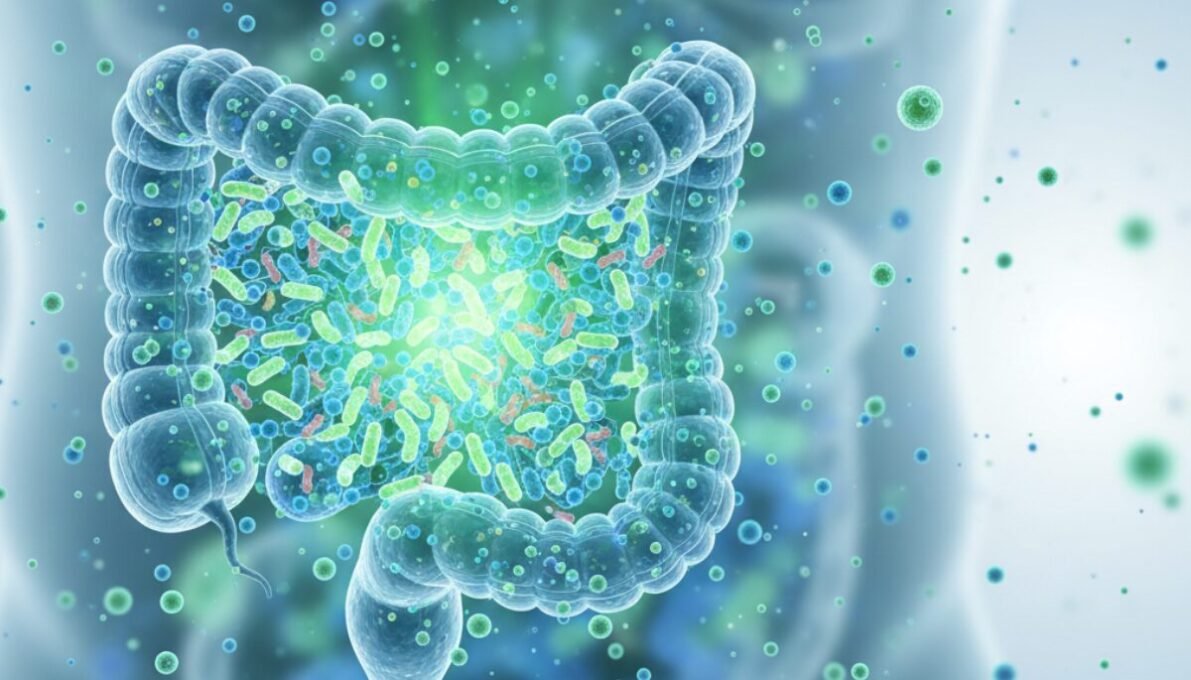
The human gut hosts an estimated 38 trillion bacterial cells, roughly equal to the number of human cells in the entire body, according to research published by the National Institutes of Health. This microscopic ecosystem, known as the gut microbiome, does far more than digest food. It manufactures vitamins, trains the immune system, and even produces neurotransmitters that affect mood.
Probiotics benefits extend into this ecosystem by introducing beneficial bacteria strains that support balance when diet, stress, or medications disrupt it. This article breaks down exactly how these organisms work, which strains matter most, and how to apply this knowledge practically without wading through marketing hype.
What Are Probiotics and How Do They Work?
Probiotics are live microorganisms, mostly bacteria and some yeasts, that provide health benefits when consumed in adequate amounts. The most common strains belong to the Lactobacillus and Bifidobacterium families, each with distinct effects on the body.
These organisms work primarily by colonizing the gut lining and competing with harmful bacteria for space and nutrients. When beneficial bacteria dominate, they crowd out pathogens, produce short-chain fatty acids that nourish intestinal cells, and reinforce the gut barrier that prevents toxins from leaking into the bloodstream.
Probiotics support health through three core mechanisms: competitive exclusion of harmful microbes, production of antimicrobial compounds, and modulation of immune signaling. This three-pronged action explains why probiotic supplementation shows measurable effects across seemingly unrelated conditions, from eczema to anxiety.
It’s worth noting the difference between probiotics and prebiotics here. Prebiotics are fiber compounds that feed existing gut bacteria, while probiotics introduce new bacterial populations. The two work best together, a combination researchers call synbiotics.
Read also: “How to Lower Cholesterol Naturally: Diet and Lifestyle Changes“
Digestive Health: The Most Established Probiotics Benefit
Digestive support remains the best-documented application of probiotic supplementation. Clinical research consistently shows that specific strains reduce symptoms of irritable bowel syndrome (IBS), antibiotic-associated diarrhea, and general bloating.
A meta-analysis published through the National Center for Biotechnology Information found that probiotic strains like Bifidobacterium infantis significantly reduced IBS symptom severity compared to placebo groups. Patients reported less abdominal pain and more regular bowel movements after eight weeks of consistent use.
The mechanism behind this effect involves gut motility regulation. Probiotics influence how quickly food moves through the intestines, which explains why the same supplement can help both constipation and diarrhea depending on the person’s baseline gut function.
On a practical level, what we observe with digestive probiotic use is that results rarely appear overnight. Most clinical trials measure outcomes after four to eight weeks, not days, because bacterial colonization takes time to stabilize.
Quick Tip: Take probiotics on an empty stomach or with a light meal. Stomach acid is lower at these times, improving bacterial survival rates through the digestive tract.
Immune System Support Through Gut Bacteria
Roughly 70% of the immune system resides in gut-associated lymphoid tissue, according to research summarized by the Cleveland Clinic. This proximity means gut bacteria constantly interact with immune cells, training them to distinguish harmless substances from genuine threats.
Probiotics benefits in this area include reduced frequency of upper respiratory infections and shorter illness duration when infections do occur. Certain strains, particularly Lactobacillus rhamnosus GG, have shown consistent results in reducing common cold incidence in both children and adults.
The immune connection also explains why gut imbalances often correlate with autoimmune conditions and chronic inflammation. When harmful bacteria dominate the microbiome, they trigger low-grade inflammatory responses that persist even without an active infection.
A healthy gut microbiome essentially functions as an immune training ground, teaching the body’s defenses to respond appropriately rather than overreacting to harmless triggers or underreacting to genuine pathogens.
The Gut-Brain Axis: Mental Health Benefits
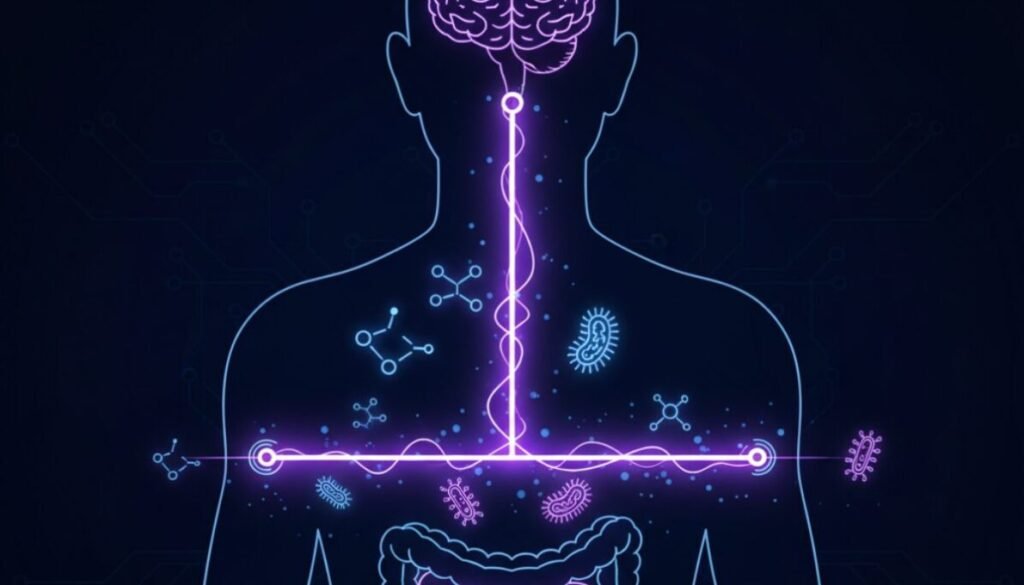
One of the most surprising probiotics benefits involves mental health. The gut and brain communicate through the vagus nerve, hormonal signals, and neurotransmitter production, a connection researchers call the gut-brain axis.
Approximately 90% of the body’s serotonin, the neurotransmitter linked to mood regulation, is produced in the gut rather than the brain, as documented by Harvard Health Publishing. This statistic alone reframes why digestive health and emotional wellbeing are so closely linked.
Specific probiotic strains, sometimes marketed as “psychobiotics,” have demonstrated modest but measurable effects on anxiety and depressive symptoms in clinical settings. Lactobacillus helveticus and Bifidobacterium longum combinations showed reduced cortisol levels and self-reported anxiety in controlled studies.
This doesn’t mean probiotics replace mental health treatment. Rather, gut health functions as one contributing factor among many in emotional regulation, alongside sleep, stress management, and clinical support when needed.
Skin Health and Inflammatory Conditions
Gut bacteria influence skin conditions through what dermatologists call the gut-skin axis. Chronic inflammation originating in the gut often manifests visibly as acne, eczema, or rosacea flare-ups.
| Skin Condition | Probiotic Strain Studied | Reported Effect |
|---|---|---|
| Eczema | Lactobacillus rhamnosus | Reduced flare-up frequency |
| Acne | Lactobacillus + Bifidobacterium blends | Decreased inflammatory lesions |
| Rosacea | Bifidobacterium strains | Reduced redness and sensitivity |
This table reflects patterns observed across multiple smaller studies rather than a single definitive trial, and individual results vary considerably based on baseline microbiome composition and skin type.
Read also: “15 Foods That Boost Immunity: Eat Your Way to Better Health“
Choosing the Right Probiotic: A Practical Framework
Not all probiotic supplements deliver equal value. Marketing claims often outpace clinical evidence, making it essential to evaluate products with specific criteria rather than trusting label promises alone.
- Check the CFU count. Colony-forming units (CFU) indicate live bacteria concentration. Most effective studies use products between 1 billion and 10 billion CFU, though higher isn’t always better.
- Verify strain specificity. Benefits are strain-specific, not species-general. A product listing only “Lactobacillus” without a specific strain number lacks the precision needed to match clinical research.
- Confirm survivability claims. Look for enteric coating or delivery technology that protects bacteria from stomach acid, since many strains die before reaching the intestines.
- Match the strain to the goal. Digestive support, immune function, and mood regulation each respond better to different strains, so matching the product to the specific concern matters more than choosing the highest CFU count available.
Getting this wrong doesn’t cause harm in most cases, but it does waste money on a supplement that won’t address the intended concern.

Gut health touches far more of the body than digestion alone. Probiotics benefits span immune resilience, mental clarity, and even skin appearance, all rooted in the same microscopic ecosystem working continuously inside the digestive tract. The evidence points toward gut bacteria as a genuine lever for whole-body wellness, not just a digestive fix.
Choosing the right strain, staying consistent, and pairing supplementation with a fiber-rich diet gives this approach the best chance to work. If this breakdown helped clarify how probiotics benefits actually function, share it with someone still guessing which supplement bottle to grab off the shelf.
IMPORTANT DISCLAIMERS
The information provided in this article is for informational and educational purposes only and is not a substitute for professional medical advice. Always consult a doctor before making any decisions regarding your treatment or diagnosis.
Frequently Asked Questions
How long does it take for probiotics to work?
Most people notice digestive changes within one to four weeks of consistent use, though full microbiome adaptation can take up to eight weeks. Effects vary based on the strain, dosage, and individual gut composition.
Can probiotics cause side effects?
Mild bloating, gas, or temporary digestive changes are common during the first few days as the gut adjusts. These symptoms typically resolve within a week and rarely indicate a serious problem.
Should I take probiotics every day?
Daily consistency produces better results than sporadic use, since bacterial colonization requires ongoing reinforcement. Most clinical studies use daily dosing protocols lasting four weeks or longer.
Are probiotic foods as effective as supplements?
Fermented foods like yogurt, kefir, and sauerkraut contain beneficial bacteria but often in lower, less standardized amounts than supplements. Supplements offer more precise strain and dosage control, while foods provide broader nutritional benefits alongside bacterial content.
Do probiotics help with weight management?
Some strains, particularly certain Lactobacillus gasseri varieties, have shown modest effects on fat reduction in clinical trials. However, probiotics work best as a complement to diet and exercise rather than a standalone weight loss solution.
Can children safely take probiotics?
Many probiotic strains are considered safe for children and are commonly used to address antibiotic-related digestive upset. Dosing and strain selection differ from adult recommendations and should match age-appropriate formulations.
Do probiotics interact with medications?
Probiotics generally have low interaction risk, though timing matters with antibiotics since these medications can kill beneficial bacteria alongside harmful ones. Spacing probiotic intake a few hours apart from antibiotic doses helps preserve bacterial viability.