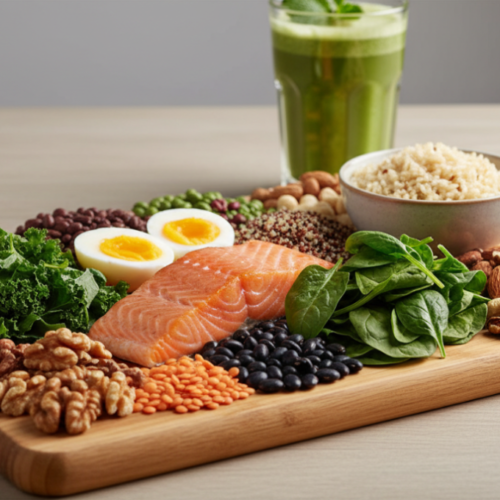
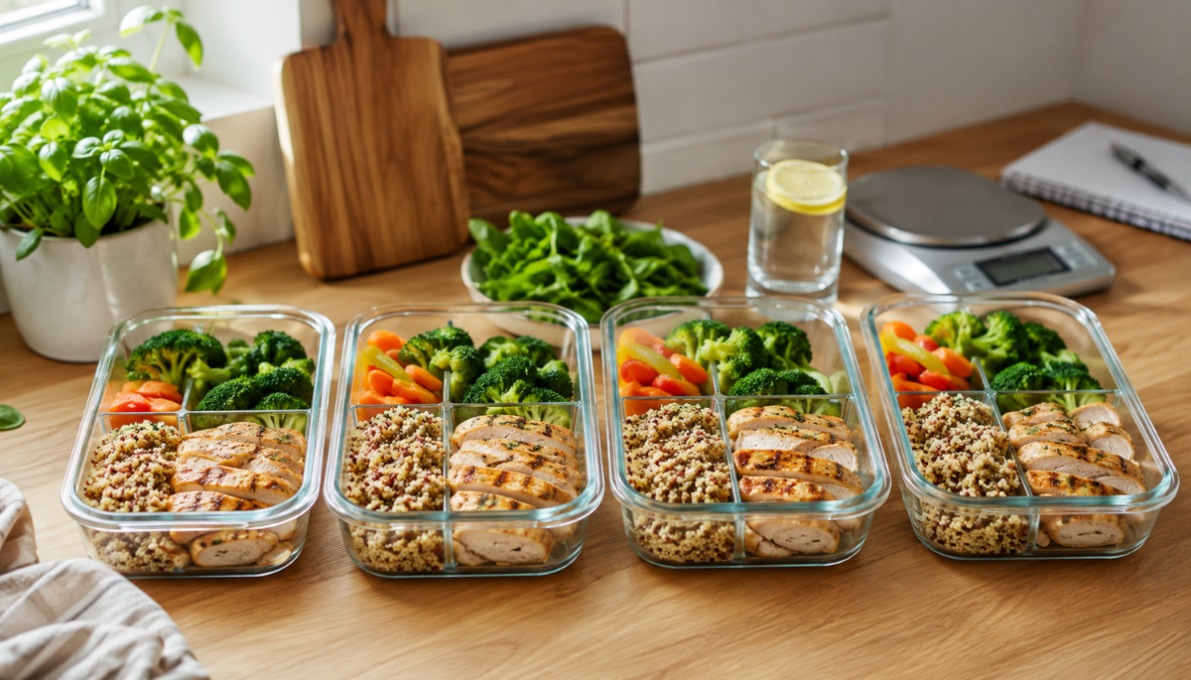
Meal prep for weight loss means cooking and portioning meals in advance using controlled calories, lean protein, and fiber-rich ingredients to prevent overeating and impulsive food choices. A well-planned weekly prep typically saves several hours of daily decision-making while keeping calorie intake inside a sustainable deficit. Done consistently, it becomes one of the most reliable habits for long-term fat loss.
Most people who struggle with weight loss don’t lack willpower — they lack a system. Decision fatigue hits hardest at 6 p.m. on a Tuesday, when the fridge is empty and takeout apps are one tap away. Meal prep removes that decision point entirely by shifting the effort to a single planning session instead of seven daily improvisations.
According to the Centers for Disease Control and Prevention, losing 1 to 2 pounds per week through a modest calorie deficit combined with regular physical activity is considered a safe and sustainable pace for most adults. Meal prep supports exactly that pace because it makes portion control automatic rather than something you negotiate with yourself at every meal. This guide breaks down the science, the step-by-step planning process, practical recipes, and the mistakes that quietly derail even well-intentioned meal preppers.
Why Meal Prep Works So Well for Weight Loss
Weight loss ultimately comes down to consistently eating fewer calories than the body uses, but consistency is the hard part. Studies on eating behavior consistently show that people underestimate portion sizes and calorie content when eating meals prepared in the moment, especially restaurant or convenience food.
Meal prep closes that gap in three concrete ways. First, it forces upfront portioning, so a 400-calorie lunch stays a 400-calorie lunch regardless of how hungry or stressed you feel later in the week. Second, it removes the “what’s for dinner” decision at the exact moment willpower is lowest, which is typically late afternoon or evening. Third, it makes healthy food more accessible than unhealthy food — when a prepped chicken and rice bowl is sitting in the fridge, it usually wins against the effort of ordering delivery.
What is a calorie deficit? A calorie deficit occurs when you consistently consume fewer calories than your body burns in a day, forcing it to use stored fat for energy. This is the fundamental mechanism behind weight loss, regardless of which diet style is used to create it.
There’s also a financial and time argument. Batch cooking on a single day, rather than cooking from scratch daily, generally cuts grocery waste and reduces the temptation to order takeout when cooking feels inconvenient.
Read also: “Best Home Workout Routines: No Equipment Needed“
Calculate Your Calorie and Protein Targets First
Meal prep without a target is just cooking in bulk — it won’t reliably produce weight loss on its own. Before shopping or cooking, define two numbers: your daily calorie target and your daily protein target.
A commonly used starting point is to estimate maintenance calories and then subtract 500 calories per day, which aligns with the roughly 1-pound-per-week loss rate referenced by the USDA MyPlate guidelines. Protein deserves separate attention because it preserves muscle mass during a deficit and increases satiety more than fat or carbohydrates per calorie. A practical range for most active adults trying to lose weight is 0.7 to 1 gram of protein per pound of body weight per day.
Once those two numbers are set, every meal prep decision becomes simpler: choose a protein source first, then build carbohydrates and vegetables around it to hit the calorie target without guesswork.
Step-by-Step Weekly Meal Prep Plan
Building a sustainable meal prep routine follows a predictable sequence. Skipping steps is the most common reason people abandon meal prep within a few weeks.
- Pick one prep day. Sunday and Wednesday are the most common choices because they precede the busiest stretches of most work weeks.
- Choose 2-3 protein sources. Rotating between chicken breast, ground turkey, tofu, and white fish keeps meals from becoming monotonous while staying lean.
- Select 2-3 complex carbohydrates. Brown rice, quinoa, sweet potatoes, and oats provide steady energy and fiber without excess calories.
- Add 3-4 vegetables per meal. Non-starchy vegetables like broccoli, spinach, bell peppers, and zucchini add volume and micronutrients for very few calories.
- Batch cook proteins and carbs simultaneously. Roasting protein in the oven while grains cook on the stove cuts total prep time significantly.
- Portion into containers immediately after cooking. Portioning while food is still warm — rather than eyeballing later — is what actually enforces calorie control.
- Store correctly and label with dates. Most cooked proteins and grains stay fresh in the refrigerator for 3-4 days; freeze extra portions for days five through seven.
Quick tip: Cook grains and proteins in bulk trays rather than individual pans. It cuts cleanup time roughly in half and lets you portion multiple meals from the same batch.
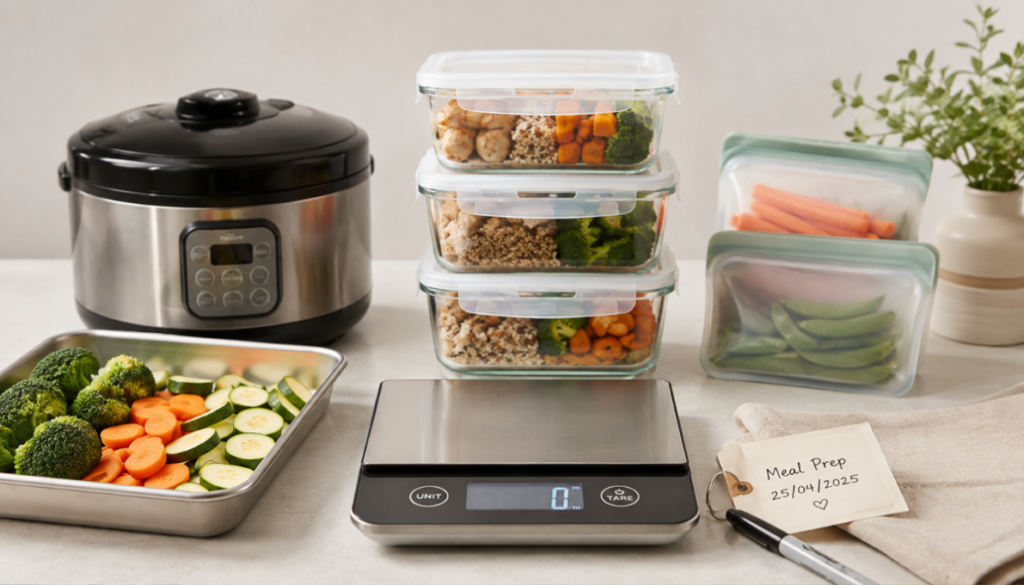
Must-Have Meal Prep Tools
The right tools remove friction, which matters more for long-term adherence than any single recipe.
- Glass or BPA-free plastic containers with compartments, so proteins, carbs, and vegetables don’t get soggy together.
- A digital kitchen scale, which is far more accurate than measuring cups for portioning cooked meat and grains.
- Sheet pans and a large stockpot, for roasting proteins and vegetables together and boiling grains in volume.
- A rice cooker or Instant Pot, which frees up stovetop space and cooks grains with minimal supervision.
- Reusable snack bags or small containers, for portioning nuts, fruit, or yogurt to prevent mindless snacking straight from the bag.
Easy Meal Prep Recipes for Weight Loss
These recipes are designed around lean protein, high fiber, and portion control, and they hold up well for 3-4 days refrigerated.
Breakfast: Greek Yogurt Oat Jars
Combine ½ cup rolled oats, ¾ cup plain Greek yogurt, ½ cup unsweetened almond milk, and a tablespoon of chia seeds in a jar. Top with berries before eating. This provides roughly 300-350 calories and 20+ grams of protein, and it requires zero cooking — just five minutes of assembly for a week’s worth of breakfasts.
Lunch: Chicken, Quinoa, and Roasted Vegetable Bowl
Season 4 chicken breasts with paprika, garlic powder, and salt, then bake at 400°F for 20-25 minutes. Cook 2 cups of dry quinoa according to package instructions. Roast broccoli, bell peppers, and zucchini tossed in a small amount of olive oil at the same oven temperature. Divide into containers with roughly 4 oz chicken, ½ cup quinoa, and 1.5 cups vegetables per portion — landing around 400-450 calories with 35+ grams of protein.
Dinner: Turkey and Sweet Potato Skillet
Brown 1 pound of ground turkey with onions and garlic, season with cumin and chili powder, and stir in diced roasted sweet potatoes and a can of black beans. This one-pan meal reheats well and delivers approximately 380 calories and 30 grams of protein per serving.
Snack: Cottage Cheese and Fruit Cups
Portion ½ cup low-fat cottage cheese with sliced pineapple or berries into small containers. At roughly 120-150 calories with 12-14 grams of protein, this snack curbs hunger between meals without derailing the daily calorie target.
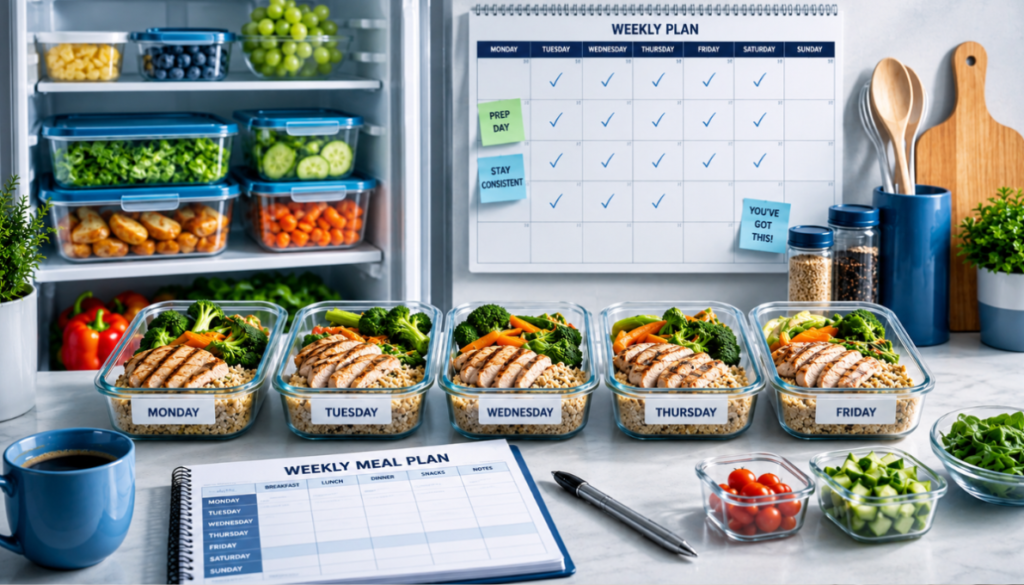
Sample 5-Day Meal Prep Table
The table below compares a full day of prepped meals across the work week, showing how the same base ingredients rotate into different combinations to avoid flavor fatigue.
| Day | Breakfast | Lunch | Dinner | Approx. Daily Calories |
|---|---|---|---|---|
| Monday | Yogurt oat jar | Chicken quinoa bowl | Turkey sweet potato skillet | ~1,450 |
| Tuesday | Yogurt oat jar | Chicken quinoa bowl | Turkey sweet potato skillet | ~1,450 |
| Wednesday | Cottage cheese + fruit | Chicken quinoa bowl | Baked fish + roasted vegetables | ~1,400 |
| Thursday | Yogurt oat jar | Turkey sweet potato skillet | Chicken quinoa bowl | ~1,450 |
| Friday | Cottage cheese + fruit | Baked fish + roasted vegetables | Turkey sweet potato skillet | ~1,400 |
This structure keeps total daily intake within a moderate deficit for most adults while rotating just four core recipes, which keeps grocery lists short and prep time predictable.
Common Mistakes That Sabotage Meal Prep Results
Even a solid plan can fail in execution. These are the errors that show up most often among people who quit meal prep within the first month.
- Skipping the scale. Eyeballing portions consistently underestimates calorie-dense foods like oils, nuts, and cheese.
- Prepping meals you don’t actually enjoy. Discipline fades fast when every lunch feels like a chore; rotating 3-4 recipes prevents burnout.
- Ignoring sauces and dressings. A tablespoon of certain dressings can add 100+ calories that aren’t accounted for in the base recipe.
- Over-restricting calories. Cutting too aggressively increases the likelihood of bingeing later in the week, undoing several days of progress in one sitting.
- Storing food incorrectly. Meals left in containers longer than 4 days increase the risk of spoilage and force last-minute takeout decisions.
Read also: “Intermittent Fasting for Beginners: Complete Guide to IF“
Meal Prep Strategies for Busy Schedules
Not everyone has three free hours on a Sunday. For tighter schedules, “partial prep” works nearly as well: cook proteins and grains in bulk, but leave vegetables raw and assemble bowls fresh each morning in under five minutes. Slow cookers and Instant Pots also allow proteins to cook unattended while handling other tasks, which is often the biggest time-saver for people prepping around a full work schedule.
Freezing half of a batch immediately after cooking — rather than refrigerating all seven days at once — also solves the common problem of food going bad by day five, which is one of the most frequent reasons people fall off a meal prep routine.
Meal prep works for weight loss because it turns a daily willpower test into a single weekly decision. Setting a clear calorie and protein target, batch cooking a rotation of simple recipes, and portioning meals immediately after cooking removes the guesswork that usually derails consistent eating habits. Start with just three or four recipes and one prep day — refining the system after a few weeks is far easier than trying to perfect it from the start.
Important disclaimers
The information in this article is for educational and informational purposes only and does not replace guidance from a qualified healthcare professional. Individual calorie and nutrient needs vary based on age, activity level, medical history, and other factors. Consult a doctor or registered dietitian before starting any new diet or weight loss program.
Frequently Asked Questions
How much weight can I realistically lose with meal prep?
Most adults who consistently follow a moderate calorie deficit through meal prep lose about 1 to 2 pounds per week, which aligns with widely recommended safe and sustainable rates of weight loss.
How many meals should I prep for weight loss?
Prepping breakfast, lunch, and dinner for 4-5 days covers most of the week while leaving flexibility for weekend meals or social eating, which helps long-term adherence.
How long does prepped food last in the refrigerator?
Most cooked proteins, grains, and vegetables stay safe and fresh for 3 to 4 days when stored in airtight containers; anything needed beyond that should be frozen instead.
Do I need to weigh my food for meal prep to work?
Weighing food isn’t mandatory, but it significantly improves accuracy compared to visual estimation, especially for calorie-dense ingredients like oils, cheese, and nuts.
Can meal prep help with weight loss if I have a busy schedule?
Yes — partial prep strategies, such as batch cooking only proteins and grains while assembling vegetables fresh daily, can cut prep time to under 30 minutes total per week.
Is it bad to eat the same meal prep every day?
Eating repetitive meals isn’t unhealthy on its own, but rotating 3-4 recipes weekly tends to improve long-term adherence by preventing flavor fatigue and diet burnout.
Should I meal prep high-carb or low-carb meals for weight loss?
Either approach can support weight loss as long as total daily calories stay within a deficit; the choice mainly depends on personal preference, activity level, and how each person’s hunger responds to carbohydrates versus fat.