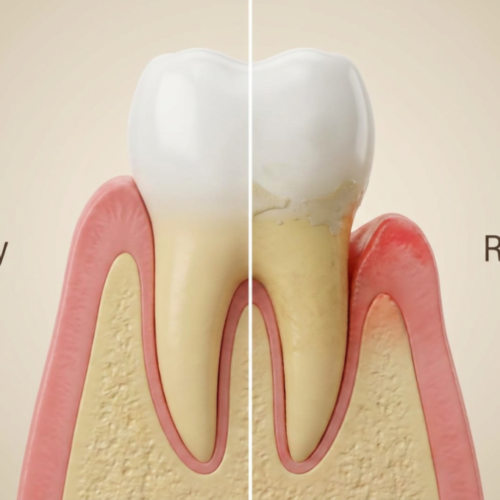

Root canal treatment is a dental procedure that removes infected or inflamed pulp tissue from inside a tooth to eliminate pain and prevent extraction. It typically takes one to two visits and has a success rate above 95% when performed correctly, according to endodontic research. Understanding each stage of the process makes the experience far less intimidating than most patients expect.
Few phrases in dentistry carry as much unnecessary fear as “you need a root canal.” For decades, this treatment has been the subject of jokes and myths that paint it as one of the most painful procedures a person can endure. The reality, backed by modern anesthesia techniques and decades of clinical refinement, is quite different. Root canal treatment is designed to relieve pain caused by an infected tooth, not to create it.
According to the American Association of Endodontists, more than 15 million root canal procedures are performed in the United States every year, making it one of the most common dental treatments after fillings and cleanings. Despite this frequency, misinformation about discomfort levels, recovery time, and long-term outcomes continues to circulate.
This guide breaks down what actually happens during a root canal, why dentists recommend it over extraction in most cases, and what a realistic recovery timeline looks like. The goal is to replace anxiety with clear, practical information so you know exactly what to expect before, during, and after treatment.
What Is a Root Canal Treatment and Why Is It Necessary?
A root canal treatment addresses damage to the dental pulp — the soft tissue inside a tooth that contains nerves, blood vessels, and connective tissue. When this tissue becomes infected or inflamed, usually due to deep decay, a cracked tooth, or repeated dental procedures, it can cause significant pain and, if untreated, lead to an abscess.
Anatomy of a Tooth: Understanding the Pulp
Each tooth has three main layers: the hard outer enamel, the underlying dentin, and the innermost pulp chamber. The pulp extends down through narrow channels called root canals into the jawbone. While the pulp plays an important role during tooth development, a fully mature tooth can survive without it, nourished instead by the surrounding tissues. This is precisely what makes root canal treatment possible: removing the diseased pulp does not kill the tooth.
Common Signs You Might Need a Root Canal
Not every toothache signals the need for this procedure, but certain symptoms are strong indicators that the pulp is compromised. These include persistent or throbbing pain, heightened sensitivity to hot or cold that lingers after the stimulus is removed, swelling or tenderness in the nearby gums, a darkening of the tooth, and a small pimple-like bump on the gum that may drain pus.
Dentists distinguish between reversible pulpitis, where the pulp is irritated but can heal, and irreversible pulpitis, where damage has progressed too far for the tissue to recover. According to research published through the National Institute of Dental and Craniofacial Research, irreversible pulpitis almost always requires either root canal treatment or extraction, since antibiotics alone cannot resolve the underlying tissue damage.
Quick definition: Irreversible pulpitis is a stage of dental pulp inflammation so advanced that the tissue cannot heal on its own, making root canal treatment or tooth extraction the only reliable solutions.
Read also: “Teeth Grinding at Night: Causes and Solutions for Bruxism“
Root Canal Treatment Explained: Step-by-Step Procedure
Understanding the sequence of events during treatment helps demystify what many patients imagine to be a frightening ordeal. In practice, the procedure follows a consistent, methodical protocol across most dental and endodontic offices.
- Diagnosis and imaging. The dentist takes an X-ray to assess the shape of the root canals and check for signs of infection in the surrounding bone.
- Local anesthesia. The area around the affected tooth is numbed completely before any instrument touches the tooth.
- Isolation of the tooth. A thin sheet of rubber, called a dental dam, is placed around the tooth to keep it dry and free of saliva during the procedure.
- Access opening. The dentist creates a small opening in the crown of the tooth to reach the pulp chamber.
- Pulp removal and cleaning. Specialized instruments remove the infected or damaged pulp tissue, and the canals are cleaned and shaped to prepare them for filling.
- Filling the canals. The cleaned canals are filled with a biocompatible material called gutta-percha, sealed with adhesive cement to prevent bacteria from re-entering.
- Temporary or permanent restoration. A temporary filling or, in many cases, a permanent crown is placed to restore the tooth’s function and protect it from fracture.
Most straightforward cases are completed in a single appointment lasting 60 to 90 minutes, though molars with multiple curved canals may require a second visit, particularly if a specialist called an endodontist is performing the treatment.
A root canal procedure rarely hurts more than getting a standard filling, since modern local anesthesia numbs the tooth and surrounding tissue for the entire treatment.
Root Canal Treatment vs. Tooth Extraction: Which Option Is Right for You?
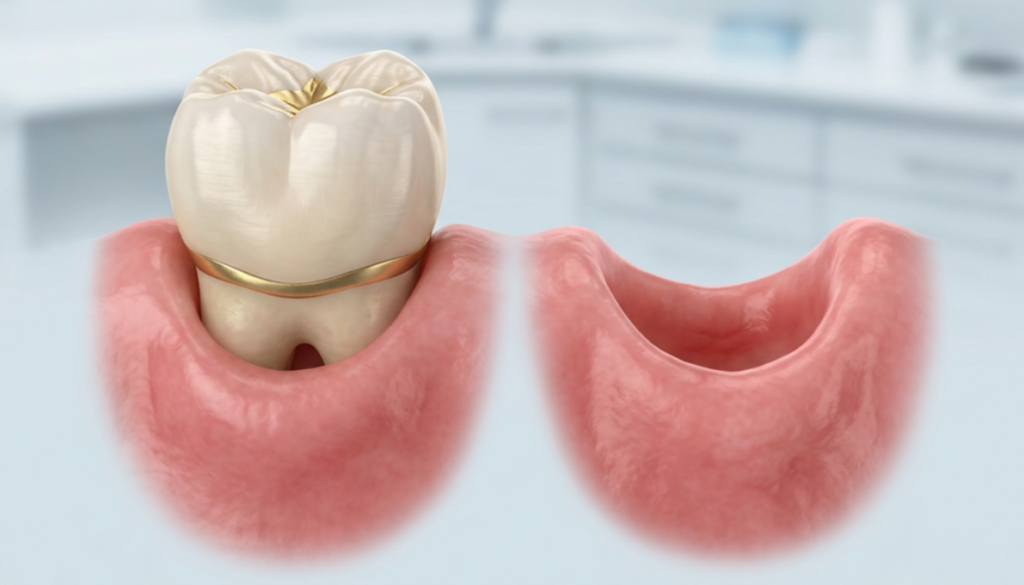
When a tooth is severely infected, patients are often presented with two choices: save the tooth through root canal treatment or remove it entirely. Each path carries distinct trade-offs in cost, function, and long-term oral health.
| Factor | Root Canal Treatment | Tooth Extraction |
|---|---|---|
| Preserves natural tooth | Yes | No |
| Typical recovery time | 2-5 days | 7-10 days |
| Long-term cost | Higher upfront (treatment + crown) | Lower upfront, but often requires implant or bridge later |
| Impact on chewing function | Minimal, once restored | May shift or affect neighboring teeth if not replaced |
| Risk of infection spreading | Low, if properly sealed | Eliminated once tooth is removed |
| Number of visits typically needed | 1-2 | 1 |
The Mayo Clinic notes that preserving a natural tooth through root canal treatment generally allows for more efficient chewing, a more natural appearance, and protection of adjacent teeth from excessive wear or shifting — outcomes that extraction alone cannot replicate without additional restorative work such as implants or bridges.
What to Expect During Recovery
Recovery from a root canal is generally faster and more comfortable than patients anticipate, largely because the procedure removes the source of pain rather than creating a new one.
First 24-48 Hours After Treatment
Mild soreness in the treated area and surrounding gum tissue is common as the anesthesia wears off. This discomfort typically peaks within the first day and steadily declines afterward. Most patients return to normal eating and speaking within 24 to 48 hours, though it’s advisable to avoid chewing directly on the treated tooth until a permanent crown or filling is placed.
Managing Pain and Swelling
Post-procedure discomfort is usually manageable with over-the-counter pain relievers such as ibuprofen or acetaminophen, following dosage guidance appropriate to the individual. A few practical habits support smoother healing during this window: sticking to soft foods for the first day or two, avoiding chewing on the treated side, keeping up gentle brushing while being careful around the temporary restoration, and applying a cold compress to the outside of the cheek if swelling develops.
Swelling that worsens rather than improves after 48-72 hours, fever, or pain that intensifies rather than fades are not typical of normal recovery and warrant a follow-up call to the dental office.

Read also: “Dental Implants: Complete Guide to Cost, Benefits, and Care“
Potential Risks and Complications
Root canal treatment has a strong track record, but like any medical or dental procedure, it is not entirely without risk. Occasionally, a tooth may not heal as expected if a canal was missed during cleaning, if the seal degrades over time, or if a new crack develops that reintroduces bacteria into the tooth. In these cases, a retreatment or an additional procedure called an apicoectomy — a minor surgery to remove infection at the root tip — may be recommended.
A study cited by the National Center for Biotechnology Information reviewing long-term outcomes found that properly performed root canal treatments maintain a survival rate comparable to or exceeding that of dental implants over a 10-year period, reinforcing why saving the natural tooth remains the preferred first option in most clinical guidelines.
When to Call Your Dentist
Certain symptoms after treatment should prompt a call rather than a wait-and-see approach: pain that returns weeks or months after the procedure, visible swelling that spreads to the face or neck, a loose or cracked temporary filling, or a persistent bad taste suggesting a leak in the seal. Catching these signs early makes retreatment far simpler than allowing an infection to progress.
Root Canal Cost and What Affects the Price
Cost is one of the most common concerns patients raise before committing to treatment, and it varies significantly depending on several factors.
| Factor | Impact on Cost |
|---|---|
| Tooth location | Molars cost more than front teeth due to multiple, complex canals |
| Provider type | Endodontists often charge more than general dentists for complex cases |
| Geographic region | Urban areas typically have higher fees than rural areas |
| Need for a crown afterward | Adds significant cost but is often necessary for back teeth |
| Insurance coverage | Many dental plans cover 50-80% of the procedure |
Front teeth with a single canal are generally the least expensive to treat, while molars with three or four canals require more time and precision, which is reflected in the price. Dental insurance frequently classifies root canal treatment as a major procedure, so checking coverage details in advance can prevent unexpected bills.
Tips to Protect Your Tooth After a Root Canal (Long-Term Care)
A treated tooth can last a lifetime with the right follow-up care. The habits below make the biggest difference in long-term success:
- Get the permanent crown or filling placed as soon as the dentist recommends, since a temporary restoration is not designed for indefinite use.
- Maintain regular brushing and flossing around the treated tooth just as with any other tooth.
- Avoid chewing very hard foods, such as ice or hard candy, directly on the restored tooth to reduce fracture risk.
- Schedule routine dental checkups so any changes in the tooth’s condition are caught early.
- Report any new sensitivity, discomfort, or discoloration promptly rather than waiting for it to resolve on its own.
Following these steps significantly reduces the likelihood of reinfection and helps the restored tooth function normally for years, often decades, after treatment.
Root canal treatment remains one of the most effective and predictable ways to save a tooth that would otherwise need to be extracted. From the initial diagnosis through the step-by-step cleaning and sealing process, and into a recovery period that is usually shorter and milder than expected, the procedure is built around relieving pain rather than causing it. Knowing what each stage involves — and what a normal recovery looks like versus a warning sign — puts patients in a much stronger position to make informed decisions about their oral health. If a dentist has recommended this treatment, understanding the process removes much of the anxiety that surrounds it and highlights why saving the natural tooth is so often the preferred path forward.
Important Disclaimer
The information in this article is intended for educational and informational purposes only and does not replace the evaluation, diagnosis, or guidance of a qualified dental professional. Always consult a licensed dentist or endodontist before making any decisions about your dental treatment.
Frequently Asked Questions
Is a root canal treatment painful?
Modern root canal treatment is performed under local anesthesia, so the procedure itself is typically no more uncomfortable than getting a filling. Mild soreness for a day or two afterward is normal and manageable with over-the-counter pain relief.
How long does a root canal procedure take?
Most root canal treatments take between 60 and 90 minutes for a single visit, though molars with multiple curved canals may require a second appointment, particularly with a specialist.
Can a tooth need a root canal more than once?
Yes, retreatment is sometimes necessary if the original filling material degrades, a canal was missed, or a new crack allows bacteria to re-enter the tooth. This does not mean the first treatment failed outright, but rather that the tooth developed a new issue over time.
Is it better to get a root canal or pull the tooth?
In most cases, dentists recommend root canal treatment because it preserves the natural tooth, maintains chewing function, and avoids the need for a bridge or implant later. Extraction is usually considered only when the tooth is too damaged to save.
How much does a root canal typically cost?
Cost varies based on the tooth’s location, whether a specialist performs the procedure, and geographic region, with molars generally costing more than front teeth due to their more complex canal structure. Dental insurance often covers a significant portion of the expense.
How soon can I eat normally after a root canal?
Most patients can return to eating normal foods within 24 to 48 hours, though it’s best to avoid chewing directly on the treated tooth until a permanent crown or filling has been placed.
What happens if a root canal infection is left untreated?
An untreated infection can spread to the surrounding bone and tissue, potentially forming an abscess and, in more advanced cases, spreading to other areas of the body. This is why prompt treatment is strongly recommended once irreversible pulpitis is diagnosed.

My relationship with health and wellness began on a personal level, looking for practical ways to improve my own routine: more movement, more mindful eating, and basic oral care habits that, over time, made a real difference in my quality of life. It was this ongoing process of learning — testing, researching, and adjusting — that motivated me to share what I learn with others on the same journey.