Mouthwash benefits go beyond fresh breath, offering plaque reduction, cavity prevention, and gum protection when the right formula is chosen. Fluoride rinses strengthen enamel, while antiseptic types target bacteria linked to gum disease. Understanding which type fits your needs makes the difference between a cosmetic habit and a real oral health tool.
Most people reach for mouthwash out of habit, grabbing whatever bottle promises the strongest mint blast. That approach misses the point entirely. Not all rinses work the same way, and using the wrong one can mean paying for a product that does little beyond masking odor.
The American Dental Association notes that mouthwash, when used correctly alongside brushing and flossing, can meaningfully reduce plaque buildup and gingivitis symptoms in patients who struggle with those areas. That distinction matters: mouthwash supports a routine, it does not replace one.
This guide breaks down what mouthwash benefits actually look like in practice, which formulas address which problems, and how to avoid the common mistakes that quietly cancel out the advantages. By the end, choosing between the antiseptic, fluoride, or cosmetic options on the shelf will feel far less confusing.
What Mouthwash Actually Does for Your Mouth
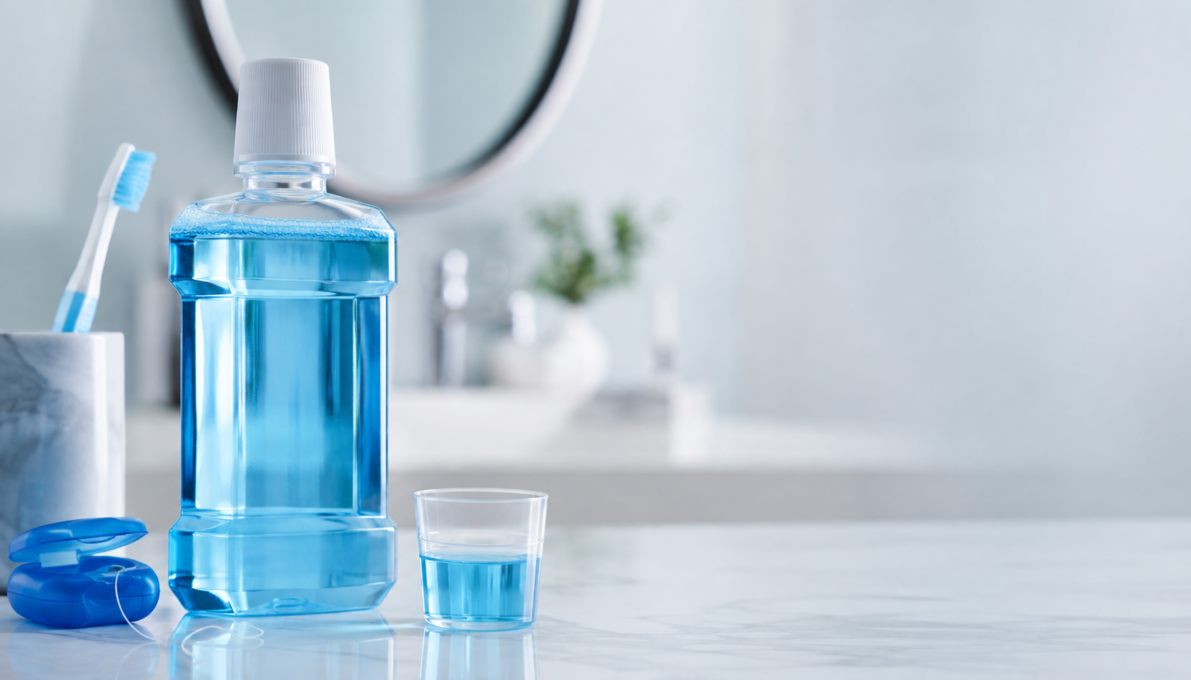
Mouthwash works through active ingredients that target specific problems rather than acting as a single all-purpose solution. Antiseptic rinses, often containing chlorhexidine or cetylpyridinium chloride, kill bacteria responsible for plaque and bad breath. Fluoride rinses remineralize enamel, making teeth more resistant to acid attacks from food and bacteria.
Cosmetic mouthwashes, by contrast, mainly mask odor temporarily without addressing the bacterial cause. They feel effective in the moment but offer little lasting benefit for oral health.
The Mayo Clinic explains that therapeutic mouthwashes, those with active antibacterial or fluoride ingredients, are the ones associated with measurable reductions in plaque and gingivitis. Cosmetic versions are regulated differently and carry no such clinical claims.
Therapeutic mouthwash reduces plaque and gum inflammation by targeting bacteria directly, while cosmetic mouthwash only temporarily freshens breath without treating the underlying cause.
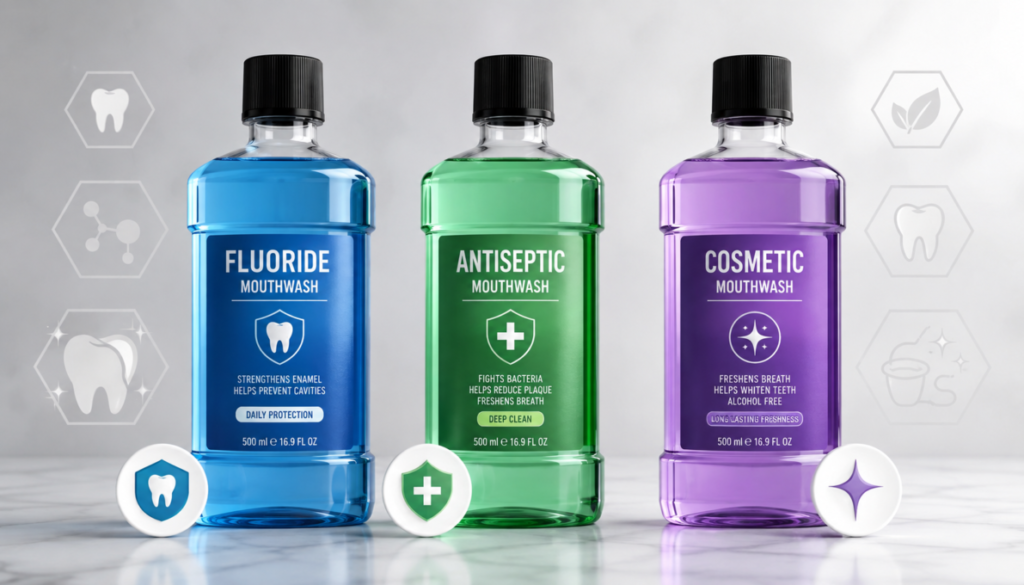
Types of Mouthwash and Their Specific Benefits
Choosing the right mouthwash depends entirely on what problem needs solving. Someone prone to cavities needs a different formula than someone managing gum sensitivity or chronic bad breath.
| Mouthwash Type | Main Active Ingredient | Best For | Limitation |
|---|---|---|---|
| Fluoride | Sodium fluoride | Cavity prevention, enamel strength | Doesn’t reduce bacteria significantly |
| Antiseptic | Chlorhexidine, CPC | Gum disease, plaque control | Can stain teeth with long-term use |
| Cosmetic | Flavoring agents, alcohol | Temporary breath freshening | No lasting therapeutic effect |
| Natural/Herbal | Essential oils, tea tree | Mild antibacterial action, sensitive users | Weaker clinical evidence overall |
Antiseptic rinses tend to produce the most noticeable short-term results for people dealing with gingivitis, since chlorhexidine has one of the strongest antibacterial profiles among over-the-counter options. Fluoride rinses, meanwhile, work more slowly but build long-term enamel resilience that antiseptics cannot provide.
Read also: “Root Canal Treatment: What to Expect and How to Recover“
Who Benefits Most from Using Mouthwash
Not every mouth needs the same intervention, and mouthwash benefits vary sharply depending on individual risk factors. People with a history of cavities gain the most from fluoride rinses, since these directly reinforce enamel between dental visits.
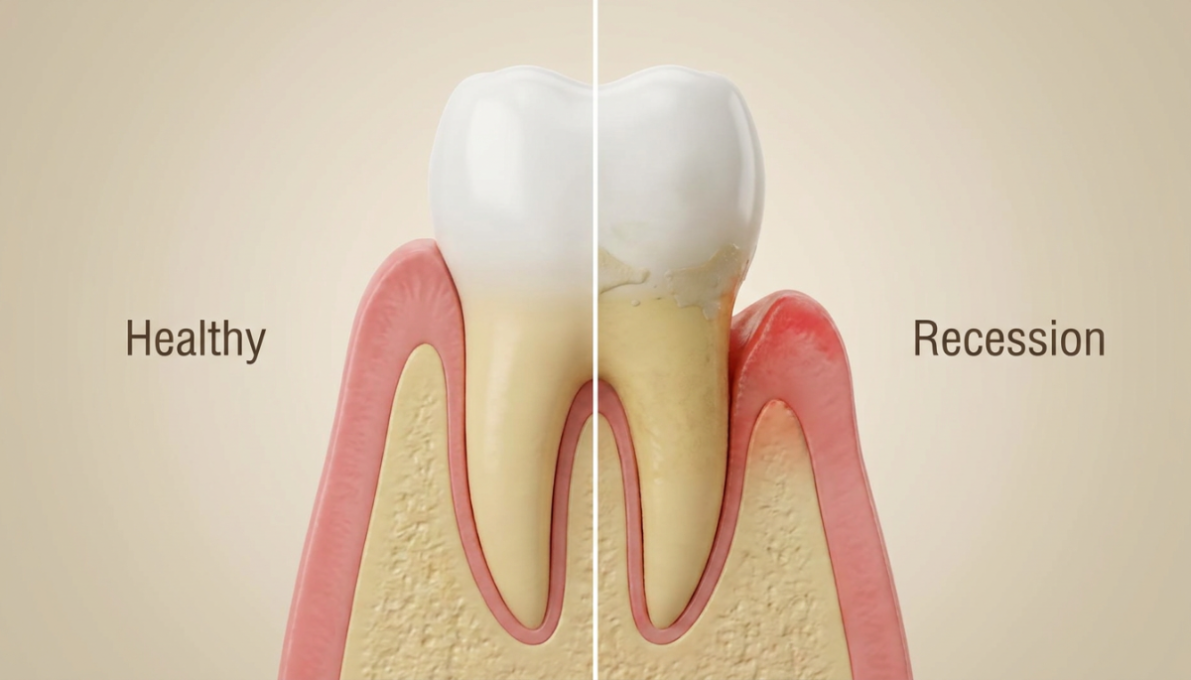
Those managing early-stage gum disease or persistent bad breath tend to see the clearest improvement from antiseptic formulas. Patients recovering from oral surgery or dealing with dry mouth conditions often need alcohol-free options, since alcohol-based rinses can irritate healing tissue and worsen dryness.
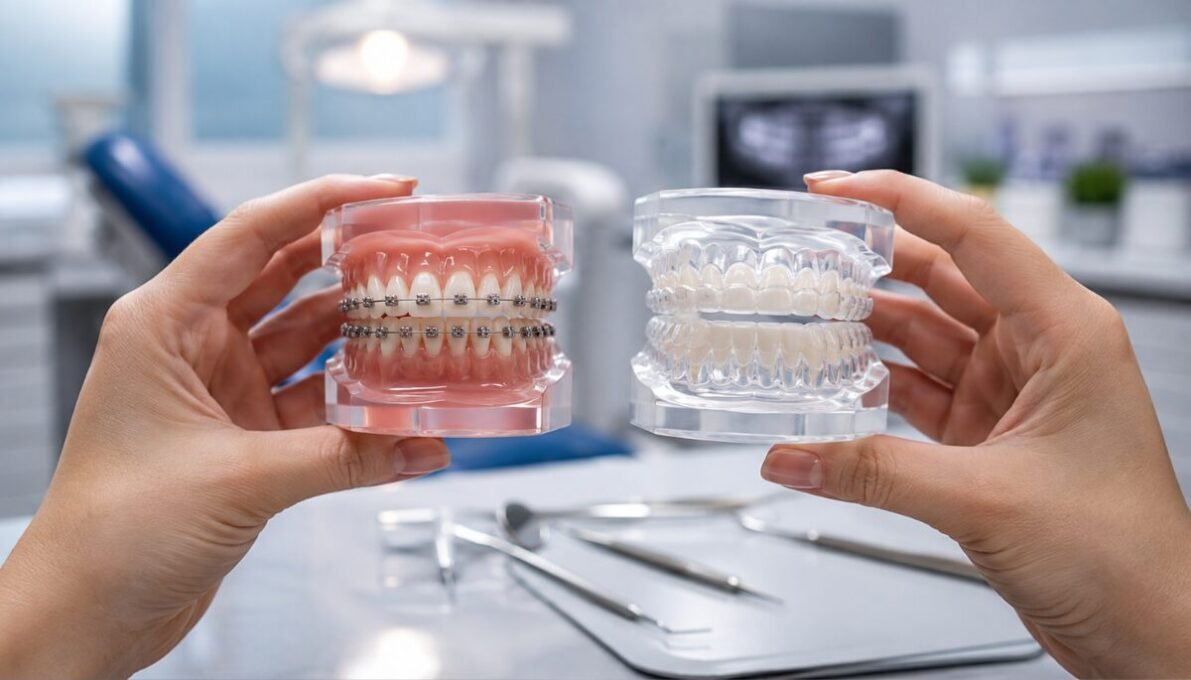
On the practical side, orthodontic patients with braces frequently benefit from any therapeutic rinse, since brackets and wires create more surface area for plaque to accumulate in spots a toothbrush struggles to reach.
How to Choose the Right Mouthwash for Your Needs
Selecting an effective rinse comes down to matching the active ingredient to the actual problem, not the marketing on the label. A few practical steps make this easier:
- Identify the primary concern first, whether that’s cavities, gum inflammation, dry mouth, or bad breath.
- Check the label for the active ingredient rather than the brand name or flavor claims.
- Choose alcohol-free formulas if dry mouth, sensitivity, or recovery from dental work is a factor.
- Look for the ADA Seal of Acceptance, which confirms the product met independent safety and efficacy testing.
- Avoid combining multiple therapeutic rinses at once, since layering ingredients can cause irritation without adding benefit.
Highlight: Rinses with high alcohol content can dry out oral tissue over time, which paradoxically increases bacterial activity and bad breath in some users, the opposite of the intended effect.
Mouthwash vs Brushing and Flossing: What’s the Real Difference
Mouthwash cannot replace mechanical cleaning, and this is where a lot of confusion happens. Brushing physically removes plaque from tooth surfaces, and flossing clears debris from between teeth where a brush cannot reach. Mouthwash, even the most effective therapeutic version, works on a chemical level and cannot dislodge hardened plaque or food particles trapped between teeth.
The CDC frames daily brushing and flossing as the foundation of oral hygiene, with mouthwash positioned as a supplementary step, not a substitute. Someone who rinses daily but skips flossing will still accumulate plaque in the same problem areas, rinse or no rinse.
Mouthwash cannot remove physical plaque or food debris; it only reduces bacteria on surfaces already exposed, which is why it works best alongside brushing and flossing, not instead of them.

Common Mistakes That Reduce Mouthwash Effectiveness
A surprising number of people undermine their own results through small, avoidable habits:
- Rinsing with water immediately after using fluoride mouthwash, which washes away the active ingredient before it can work.
- Using mouthwash as a substitute for brushing on busy days.
- Swishing for only a few seconds instead of the recommended 30 to 60 seconds.
- Choosing a product based solely on flavor rather than active ingredient.
- Overusing chlorhexidine-based rinses long-term, which can lead to visible tooth staining and altered taste perception.
Fixing even one or two of these habits often produces a noticeable difference within a few weeks, particularly for anyone using a fluoride rinse for cavity prevention.
Read also: “Teeth Grinding at Night: Causes and Solutions for Bruxism“
When Mouthwash Benefits Don’t Apply
Mouthwash is not a cure-all, and expecting it to fix deeper dental problems leads to disappointment. It will not reverse an existing cavity, treat an active infection, or resolve chronic bad breath caused by underlying conditions like sinus issues or acid reflux. In those cases, rinsing simply masks a symptom that needs professional evaluation.
It is also worth noting that no over-the-counter rinse, regardless of ingredient strength, replaces a professional dental cleaning for removing hardened tartar, since only mechanical scaling can address that buildup.
Mouthwash benefits are real, but they depend entirely on choosing a formula that matches an actual need rather than picking whatever smells strongest on the shelf. Fluoride rinses build long-term enamel resistance, antiseptic formulas tackle bacteria linked to gum disease, and alcohol-free options protect sensitive or healing tissue. None of these replace brushing and flossing, but paired with a consistent routine, the right mouthwash closes gaps that a toothbrush alone leaves open. Anyone unsure which type fits their situation has a straightforward next step: bring the question to a dental checkup and get a recommendation tailored to their mouth specifically.
Important disclaimers
The information in this article is for educational purposes only and does not replace the evaluation or guidance of a qualified healthcare professional. Always consult a dentist before making decisions about your oral health treatment or diagnosis.
Frequently Asked Questions
Does mouthwash actually kill bacteria in the mouth?
Yes, therapeutic mouthwashes containing chlorhexidine or cetylpyridinium chloride actively reduce oral bacteria linked to plaque and gum disease. Cosmetic mouthwashes mainly mask odor and have limited antibacterial effect.
Can mouthwash replace brushing and flossing?
No, mouthwash cannot physically remove plaque or food debris the way brushing and flossing do. It works best as a supplement to mechanical cleaning, not a replacement for it.
Is alcohol-based mouthwash bad for your teeth?
Alcohol-based mouthwash is not directly harmful to enamel, but it can dry out oral tissue with frequent use, which may increase bacterial activity in some people. Those with dry mouth or sensitive gums often do better with alcohol-free formulas.
How long should you swish mouthwash for it to work?
Most therapeutic mouthwashes need 30 to 60 seconds of swishing to allow the active ingredients enough contact time with bacteria and enamel. Shorter rinsing significantly reduces effectiveness.
Can mouthwash whiten teeth?
Some cosmetic mouthwashes contain mild whitening agents like hydrogen peroxide, but the effect is minimal compared to professional whitening treatments. They may help maintain existing whiteness rather than produce dramatic change.
Why does my mouthwash make my mouth feel dry afterward?
This is typically caused by alcohol content in the formula, which strips natural moisture from oral tissue. Switching to an alcohol-free rinse usually resolves this issue.
Is it safe to use mouthwash every day?
Daily use of most fluoride and cosmetic mouthwashes is considered safe for long-term use. Chlorhexidine-based antiseptic rinses, however, are typically recommended for short-term use only, since prolonged use can stain teeth and alter taste.

My relationship with health and wellness began on a personal level, looking for practical ways to improve my own routine: more movement, more mindful eating, and basic oral care habits that, over time, made a real difference in my quality of life. It was this ongoing process of learning — testing, researching, and adjusting — that motivated me to share what I learn with others on the same journey.