Digestive health tips include eating enough fiber, staying hydrated, managing stress, and moving your body daily to support regular bowel function. A healthy gut also depends on a balanced microbiome, adequate sleep, and mindful eating habits. Small, consistent changes to diet and routine often produce the most lasting improvement in digestion.
Most people only think about their gut when something goes wrong: bloating after a meal, unpredictable bowel habits, or that heavy, sluggish feeling that shows up after a stressful week. Digestive discomfort is one of the most common health complaints worldwide, and researchers estimate that functional gastrointestinal disorders affect roughly 40% of people globally at some point in their lives, according to a large-scale study coordinated by the Rome Foundation. That figure includes conditions like irritable bowel syndrome, chronic constipation, and functional dyspepsia — problems that rarely show up on a standard blood test but can significantly affect daily life.
The good news is that digestion responds well to consistent, practical habits. This guide walks through how the digestive system actually works, the most common issues people face, and the diet, lifestyle, and daily-routine changes that genuinely support gut function. It also covers warning signs that deserve professional attention and separates common digestive myths from what the evidence actually shows.
How the Digestive System Actually Works
Digestion starts before food ever reaches the stomach. The sight and smell of a meal trigger saliva production and early enzyme release, which is why eating in a rushed, distracted state — at a desk, in the car, scrolling a phone — already puts digestion at a disadvantage. The process itself involves a coordinated sequence: the stomach breaks food down with acid and enzymes, the small intestine absorbs most nutrients, and the large intestine handles water absorption and waste formation.
The Gut Microbiome in Plain Terms
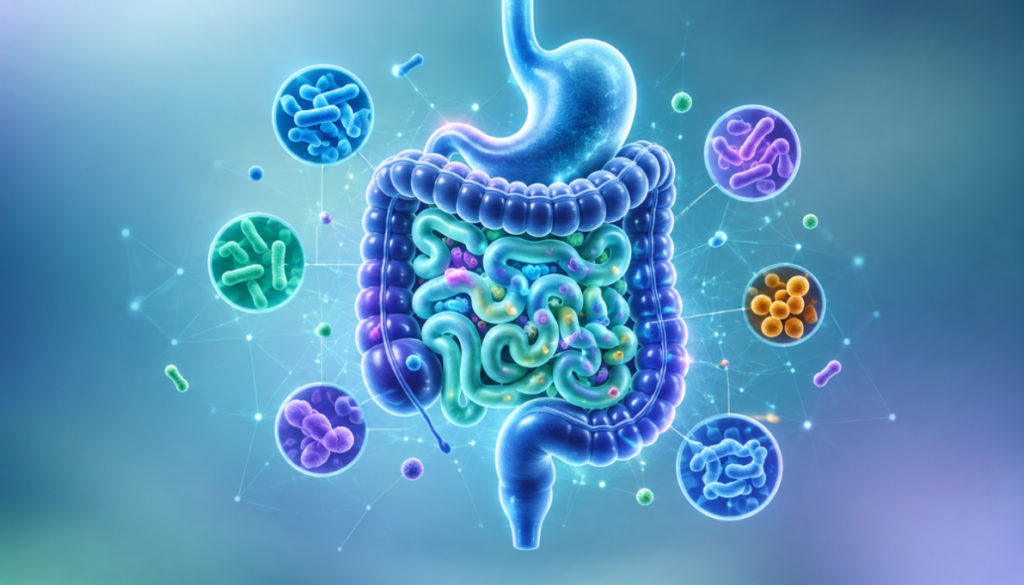
Gut microbiome refers to the trillions of bacteria, fungi, and other microorganisms living primarily in the large intestine. This microbial community weighs close to two kilograms in an adult and plays a direct role in digestion, immune regulation, and even mood, according to research summarized by the National Institutes of Health.
A diverse, well-fed microbiome tends to correlate with fewer digestive complaints. Diets low in fiber and high in ultra-processed foods reduce microbial diversity over time, which is one reason digestive symptoms often improve within days of adding more plant-based foods — the bacteria that ferment fiber respond quickly to a change in fuel supply.
Why Digestion Slows Down for Some People
Digestive speed varies by individual, and several factors influence it directly: hydration level, physical activity, hormonal changes, medication use, and stress hormones like cortisol, which can either speed up or slow down gut motility depending on the person. Chronic stress in particular tends to reduce blood flow to the digestive tract, which partly explains why anxious periods often coincide with stomach upset or irregular bowel habits.
Read also: “Collagen Supplements: Benefits, Types, and How to Choose“
Common Digestive Problems and Their Causes
Not all digestive discomfort comes from the same root cause, and treating the wrong one rarely helps. The table below compares the most frequently reported issues.
| Symptom | Common Causes | Typical Pattern |
|---|---|---|
| Bloating | Excess gas, food intolerances, eating too fast | Worsens after meals, improves overnight |
| Constipation | Low fiber, dehydration, sedentary habits, some medications | Fewer than 3 bowel movements per week |
| Acid reflux | Overeating, lying down after meals, certain trigger foods | Burning sensation, often worse at night |
| Diarrhea | Infections, food intolerances, stress, certain medications | Sudden onset, often short-lived |
| Irritable bowel syndrome (IBS) | Gut-brain axis dysregulation, food sensitivities, stress | Alternating symptoms, chronic and recurring |
Quick tip: Keeping a simple food-and-symptom log for two weeks often reveals patterns that are impossible to spot from memory alone — many people are surprised to find their trigger isn’t the food they suspected.
Diet and Nutrition Tips for Better Digestion
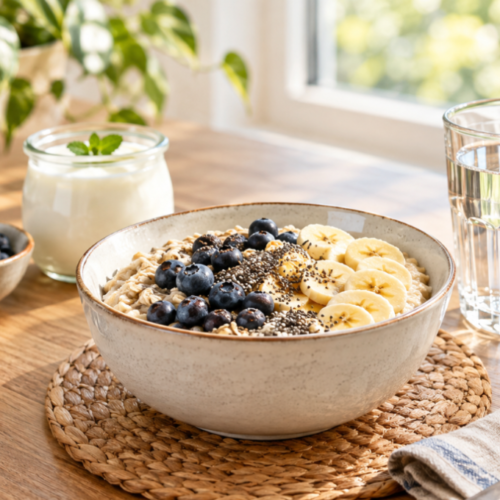
Diet is the single most modifiable factor in digestive health, and the evidence here is fairly consistent across studies. Adults generally need between 25 and 38 grams of fiber daily, yet most people in Western diets consume less than half that amount, according to dietary intake data referenced by the Mayo Clinic. Fiber does two jobs at once: it adds bulk that keeps waste moving through the intestines, and it feeds the beneficial bacteria that maintain gut lining integrity.
A few dietary adjustments tend to make the biggest difference in practice:
- Increase fiber gradually. Adding too much fiber too quickly causes gas and bloating, so building up over two to three weeks works better than an abrupt change.
- Prioritize fermented foods. Yogurt, kefir, sauerkraut, and kimchi introduce live probiotic cultures that can support microbial diversity.
- Distinguish prebiotics from probiotics. Probiotics are live beneficial bacteria found in fermented foods or supplements; prebiotics are the fiber compounds that feed those bacteria. Both matter, but they serve different roles.
- Limit ultra-processed foods and added sugars. These tend to favor less beneficial bacterial strains and can worsen bloating in sensitive individuals.
- Space out large meals. Very large portions overwhelm digestive capacity and slow gastric emptying, which contributes to that heavy, sluggish feeling.
Hydration deserves its own mention here. Water softens stool and supports the mucosal lining of the intestines; even mild dehydration is a well-documented contributor to constipation.
Lifestyle Habits That Support Digestive Health
Diet gets most of the attention, but digestion is influenced just as strongly by daily habits outside the kitchen. Physical movement stimulates intestinal contractions, which is why a short walk after meals is one of the simplest and most effective digestive habits available. Even 10 to 15 minutes of light activity measurably speeds gastric emptying compared with sitting still.
Sleep quality also plays a direct role. The gut has its own internal clock, closely tied to circadian rhythm, and irregular sleep patterns have been associated with disrupted microbial balance in several studies referenced by Harvard Health Publishing. Aiming for a consistent sleep schedule — not just enough hours, but a stable timing — tends to benefit gut regularity more than people expect.
Stress management is the third pillar. The gut and brain communicate constantly through what researchers call the gut-brain axis, a bidirectional nervous system connection that explains why nervousness can cause stomach cramps and why chronic digestive issues often correlate with anxiety or depression. Practices like slow breathing before meals, short daily walks, or even five minutes of quiet time can measurably reduce stress-related digestive flare-ups over time.

A Practical Daily Routine for Digestive Wellness
Building better digestion rarely comes from one dramatic change — it comes from stacking small habits throughout the day. Here is a realistic sequence many people find sustainable:
- Start the day with a full glass of water before coffee or food, which helps rehydrate the digestive tract after overnight fasting.
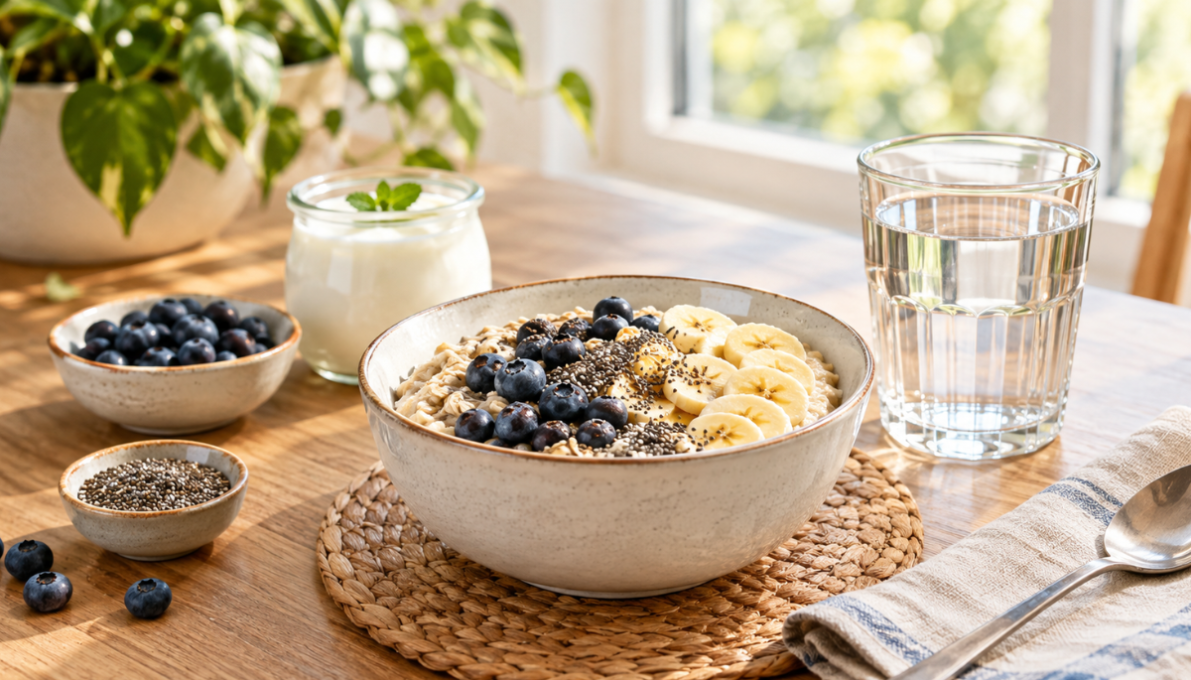
- Eat breakfast without rushing, even if it’s small — chewing slowly and fully activates early digestive enzymes.
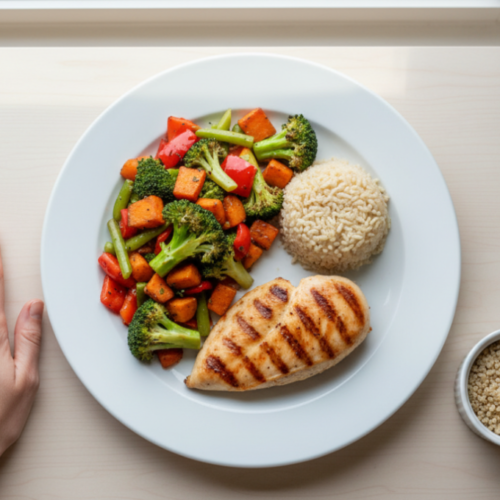
- Add one fiber-rich food to lunch, such as beans, whole grains, or a side of vegetables.
- Take a 10-minute walk after the largest meal of the day to support gastric motility.
- Avoid lying down within two to three hours of eating to reduce reflux risk.
- Wind down with a consistent bedtime, since irregular sleep disrupts gut rhythm.
- Reassess weekly, adjusting fiber intake, hydration, or meal timing based on how the body responds.
None of these steps require special products or strict rules — the goal is consistency, not perfection.
Warning Signs That Deserve Professional Attention
Most digestive discomfort is manageable through diet and lifestyle changes, but certain symptoms indicate something that needs a proper medical evaluation rather than a home remedy. These include:
- Blood in the stool or unexplained black, tarry stools
- Unintentional weight loss without a clear cause
- Persistent abdominal pain that doesn’t improve with rest or diet changes
- Difficulty swallowing or persistent vomiting
- Chronic diarrhea or constipation lasting more than a few weeks
- A family history of colorectal cancer combined with new digestive symptoms
Any of these warrant a conversation with a healthcare provider rather than self-management, since they can signal conditions that require diagnostic testing.
Read also: “Thyroid Health Guide: Warning Signs to Watch For“
Digestive Health Myths vs. Facts
Digestive health is an area full of persistent myths, many of which circulate widely on social media. Separating what’s actually supported by evidence from what simply sounds intuitive helps avoid wasted effort — or unnecessary worry.
| Myth | What the Evidence Shows |
|---|---|
| “Detox teas cleanse the gut.” | The liver and kidneys already handle detoxification; these teas mostly cause laxative-driven water loss, not genuine cleansing. |
| “Everyone needs a probiotic supplement.” | Whole, fiber-rich foods often support the microbiome as effectively as supplements for most healthy individuals. |
| “Skipping meals helps digestion rest.” | Irregular eating patterns are more often linked to bloating and acid reflux than to digestive relief. |
| “Gluten is harmful for everyone.” | Gluten sensitivity affects a specific subset of people; for most, whole grains containing gluten support digestive fiber intake. |
| “Bloating always means food intolerance.” | Bloating frequently stems from eating speed, swallowed air, or stress rather than a specific food. |
Good digestion isn’t the result of one perfect food or supplement — it comes from the combination of adequate fiber, consistent hydration, regular movement, quality sleep, and stress management working together. The habits covered in this guide, from a short post-meal walk to building fiber intake gradually, are small enough to start today and consistent enough to produce noticeable change within a few weeks. Paying attention to how the body responds, rather than following rigid rules, remains the most reliable way to build lasting digestive health tips into an everyday routine.
Important disclaimers
The information in this article is for educational purposes only and does not replace professional medical advice, diagnosis, or treatment. Always consult a qualified healthcare provider before making decisions about your health, diet, or any digestive symptoms you may be experiencing.
Frequently Asked Questions
What are the best digestive health tips for daily life?
The most effective daily habits include eating enough fiber, drinking sufficient water, walking after meals, managing stress, and maintaining a consistent sleep schedule. These five factors influence gut motility and microbial balance more than any single food or supplement.
How much fiber do I need for good digestion?
Most adults need between 25 and 38 grams of fiber per day, depending on age and sex. Increasing intake gradually over several weeks helps avoid the bloating that comes from adding too much fiber too quickly.
Can stress really cause digestive problems?
Yes. The gut and brain are connected through the gut-brain axis, a direct nervous system link that means psychological stress can trigger physical symptoms like cramping, bloating, or altered bowel habits.
What is the difference between probiotics and prebiotics?
Probiotics are live beneficial bacteria found in fermented foods or supplements, while prebiotics are fiber compounds that feed those bacteria. A healthy gut generally benefits from both working together.
How long does it take to improve gut health through diet?
Some improvements, like reduced bloating from cutting processed foods, can appear within days. More substantial changes to microbial diversity typically take three to four weeks of consistent dietary changes.
When should digestive symptoms be checked by a doctor?
Symptoms like blood in the stool, unexplained weight loss, persistent pain, or chronic diarrhea lasting more than a few weeks should be evaluated by a healthcare provider rather than managed at home.
Does walking after meals really help digestion?
Yes, light walking after eating stimulates intestinal contractions and speeds gastric emptying compared to sitting or lying down. Even 10 to 15 minutes can make a measurable difference for many people.